Syria: Casualties arrive en masse at MSF hospital following an airstrike in Idlib
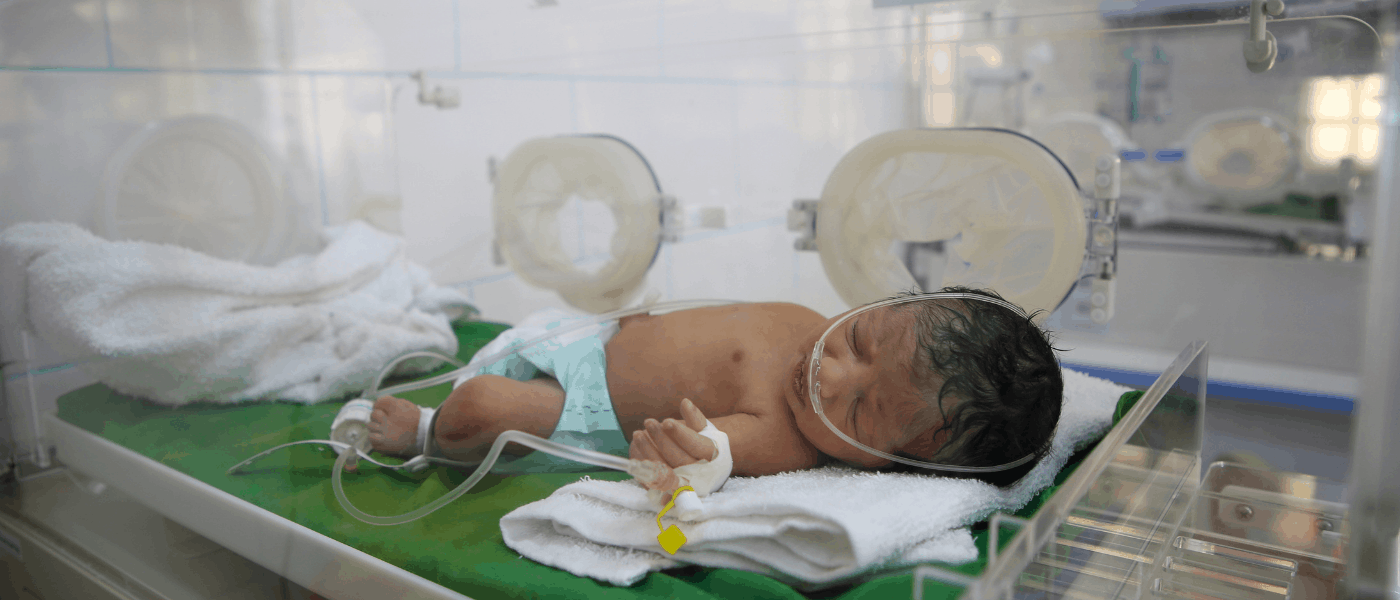
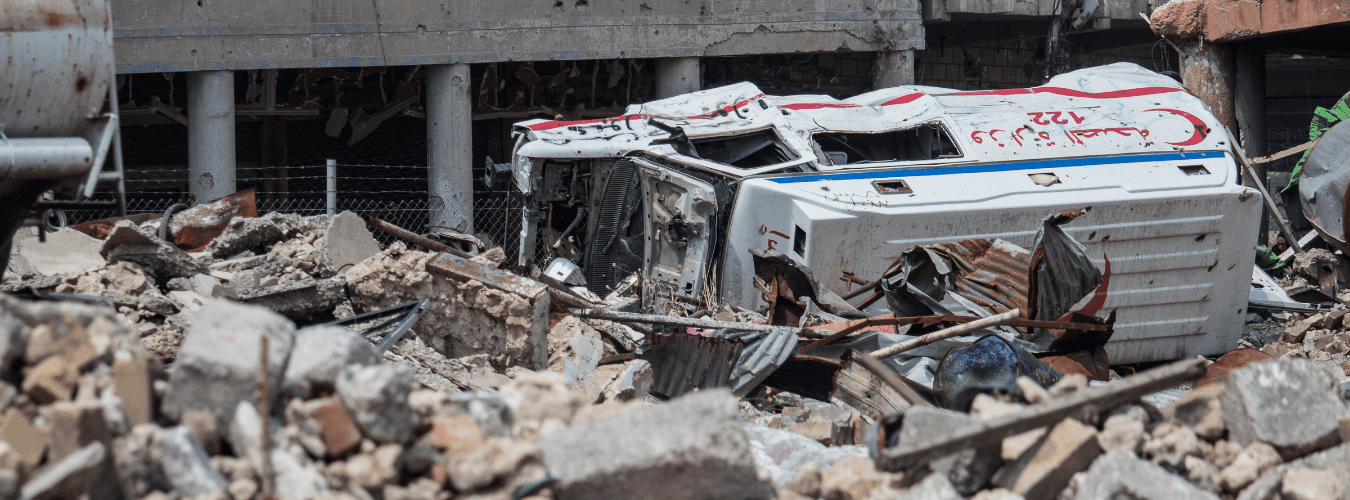
NORTHWEST SYRIA – On Saturday, 11 December, 15 casualties were rushed to a hospital co-managed by Doctors Without Borders/Médecins Sans Frontières (MSF) following an airstrike in Idlib governorate, northwest Syria. Eleven children under 14 years of age and two women were among the wounded; two people, unfortunately, died before reaching the hospital. A four-year-old patient … Read more
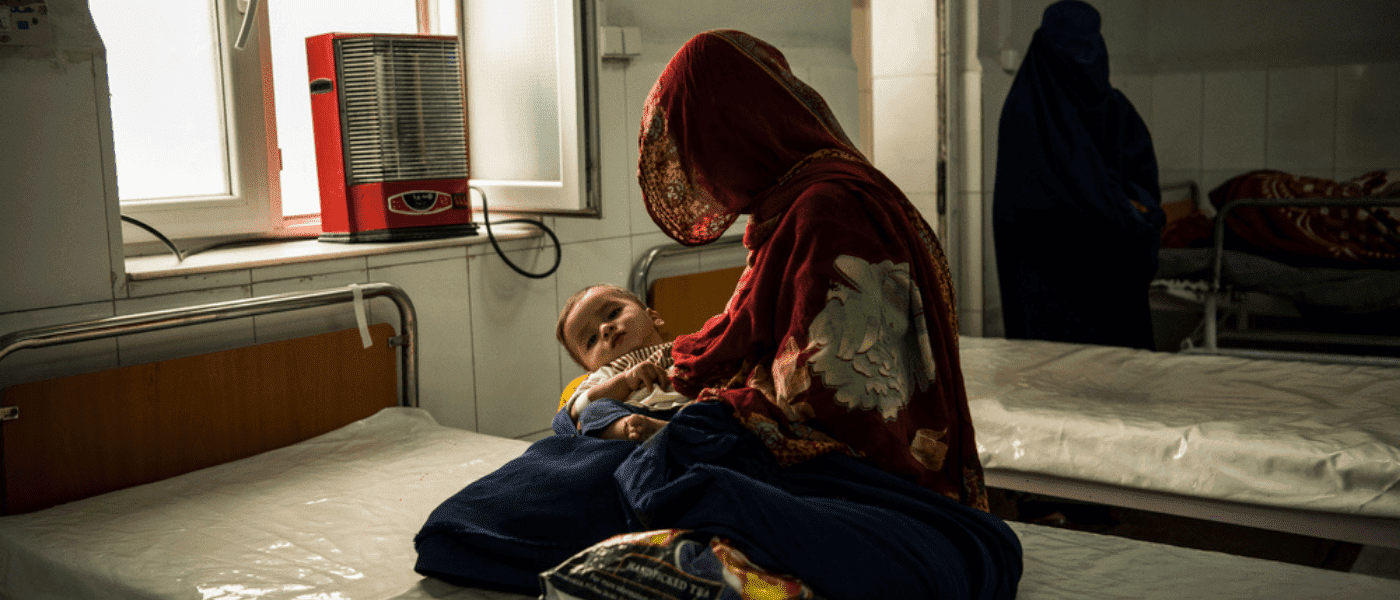
The roar, the fear, the bunker: My time at a frontline hospital in Afghanistan

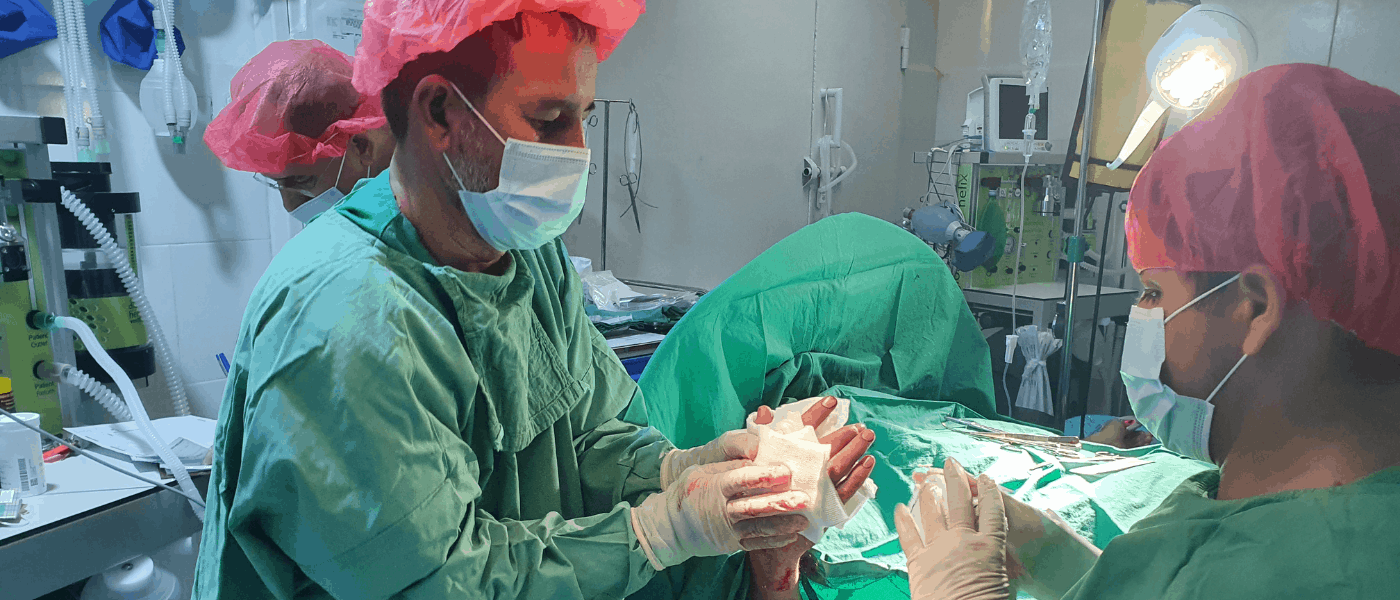
Nurse Gianna Falchetto returns from Lashkar Gah, where her team worked under extreme pressure to keep a hospital running… In the city of Lashkar Gah, Afghanistan, Doctors Without Borders/Médecins Sans Frontières (MSF) supports Boost Hospital. It’s one of the largest public health facilities in the region, with a total of 300 beds available and staffed … Read more

War and conflict: Counter terrorism “adds salt to the wound” in providing medical care in conflict

Twenty years after the start of the so-called global ‘War on Terror’ [1], counter-terrorism policies and their consequences are rendering the provision of impartial medical care more dangerous and difficult. Humanitarian workers and groups must be given exemptions from counter-terrorism measures. These are among the findings of a new report, Adding salt to the wound, which Médecins Sans … Read more

Adding salt to the wound: Counter-terrorism and healthcare

It has been 50 years since Doctors Without Borders/Médecins Sans Frontières (MSF) launched our medical humanitarian work and 20 years since the start of the ‘Global War on Terror’. In those 20 years, counter-terrorism has come to define military operations far beyond those launched by the United States in response to the attacks of 11 … Read more

Palestine: Treating child injuries in blockaded Gaza

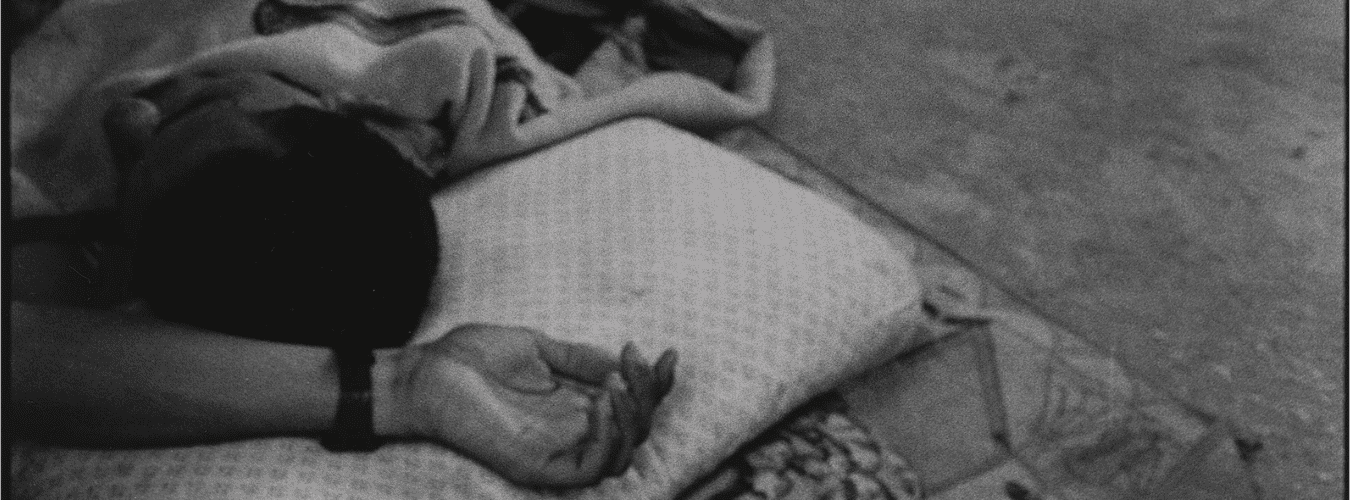
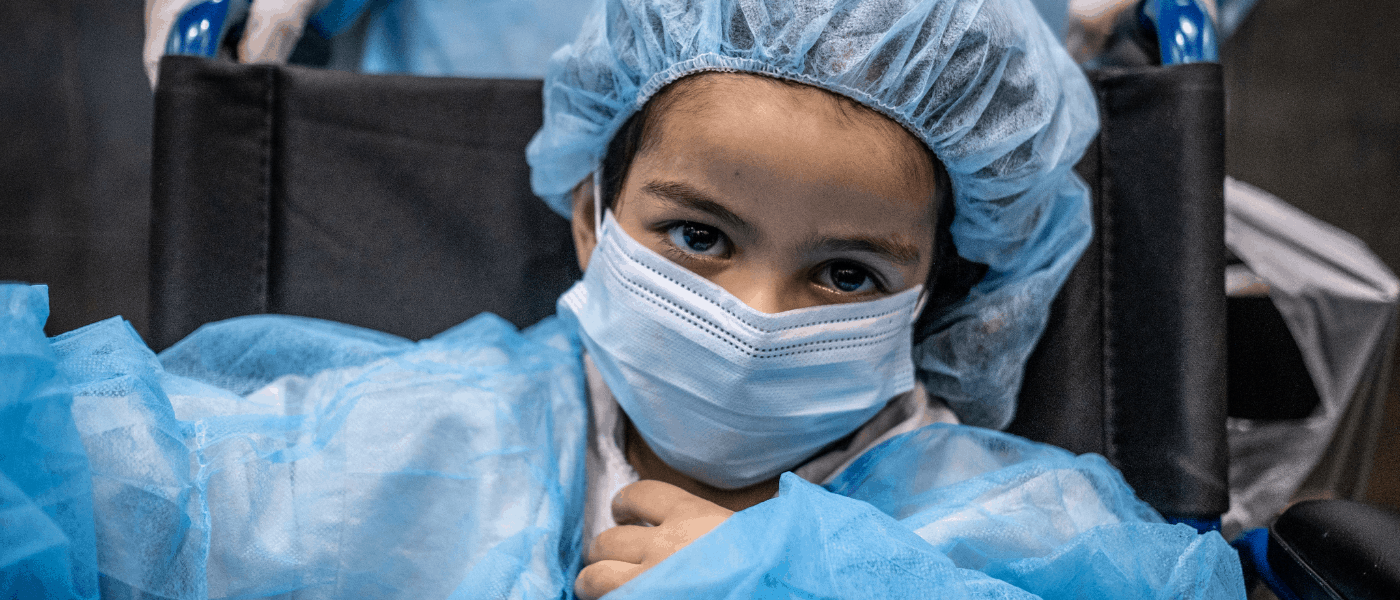
In the Al-Awda hospital paediatric unit in northern Gaza, Palestine, Mohammed Aboud, a father of five, comforts his four-year-old daughter Hala as she slowly wakes up after her surgery. The scene is all too familiar to Mohammed now. Over the past few weeks, Hala has already been operated on five times. On 14 July 2021, Mohammed … Read more

Overcoming obstacles: Treating trauma in Kunduz, Afghanistan

Fighting in the city of Kunduz in north-eastern Afghanistan ended on 8 August. During the clashes, we transformed our office space into a temporary trauma unit to treat the people wounded. That unit is now closed and on 16 August all patients were transferred to the nearly-finished Kunduz Trauma Centre that our teams have been building since … Read more

Afghanistan: Medical needs grow as international organisations suspend activities

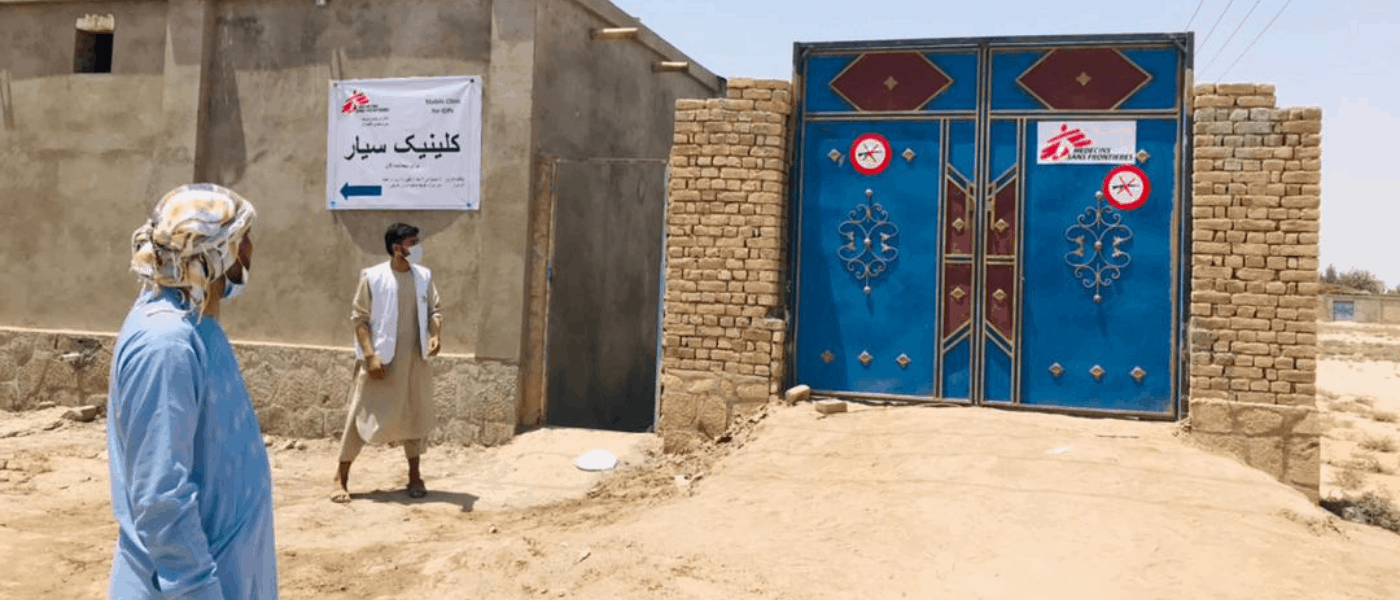
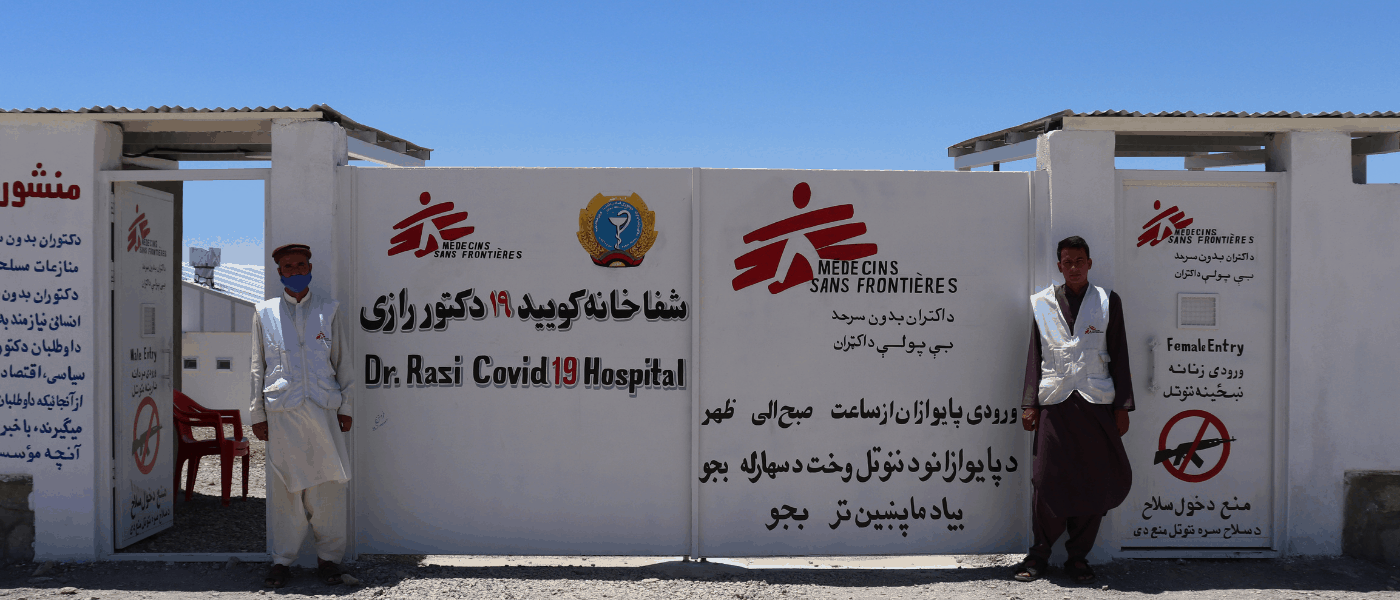
After months of fighting on the outskirts of Herat in Afghanistan, the Islamic Emirate of Afghanistan, also known as the Taliban, took control of the city on August 12. We are running an inpatient therapeutic feeding centre (IFTC), a clinic for displaced people, and a COVID-19 treatment centre in Herat. An Afghan MSF medic working in the city … Read more

Afghanistan: Amid uncertainty, hospitals are still full in the country

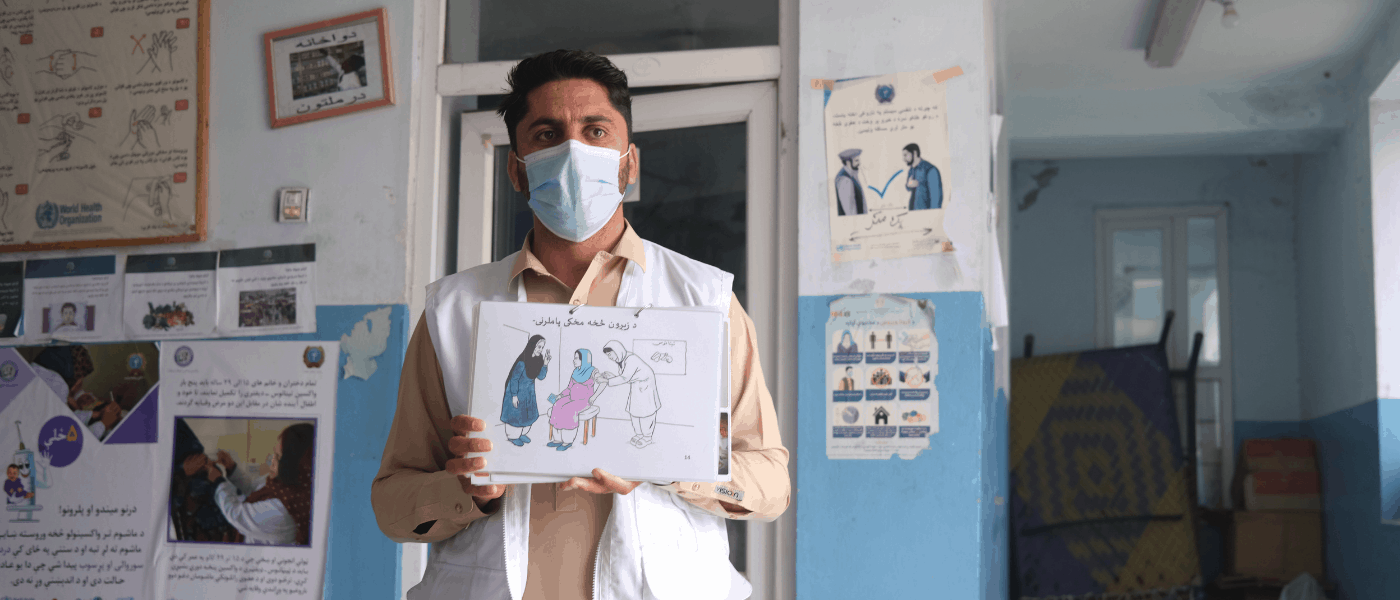
After the rapid transfer of power in Afghanistan there has been a big shift in the health context. Doctors Without Borders/Médecins Sans Frontières (MSF) continues to run medical activities in five provinces. Below two medical staff working in Lashkar Gah and Khost provinces describe the recent changes they have witnessed, and how they affect both patients and … Read more

Yemen: Seeking healthcare in Taiz, a city split by a frontline

“The constant fear and the feeling of being close to death is horrific,” says Wafa Muhammad Abdullah. “We have been bombarded with shells. A shell once hit my sister and injured one of her eyes. I can never forget seeing her bleeding.” “We run and hide when the bombing starts,” Wafa says. “My children hide … Read more

Afghanistan: Medical needs urgent as ever in Afghanistan after Taliban takeover

Last week, after weeks of intense fighting, the Islamic Emirate of Afghanistan (IEA, also known as the Taliban) entered the city of Kabul as the government collapsed. The IEA declared war over and assumed control over the country. While many people and organisations have fled Afghanistan, our teams are staying put, providing essential medical care to … Read more