

Diabetes Management
The burden of diabetes is high and increasing globally, and in developing economies like India, mainly fuelled by the increasing prevalence of overweight/obesity and unhealthy lifestyles. Type 2 diabetes, which accounts for the majority of the cases, can lead to multiorgan complications, broadly divided into microvascular and macrovascular complications. These complications are a significant cause of increased premature morbidity and mortality among individuals with diabetes, leading to reduced life expectancy and financial and other costs of diabetes leading to a profound economic burden on the Indian health care system.
The prevention and management of diabetes and associated complications is a huge challenge in India due to several issues and barriers, including a lack of multisectoral approach, surveillance data, awareness regarding diabetes, its risk factors and complications, and access to health care settings, access to affordable medicines, etc.
Diabetes is a silent killer. India has the second-highest burden of diabetes 1 globally.
For every known case of DM, there is an undiagnosed case of DM 2, which means nearly 50% of diabetics in India still do not know that they have diabetes. Another important finding is that only ~25% (one-fourth) of total diabetes know how to keep their diabetes under control.2
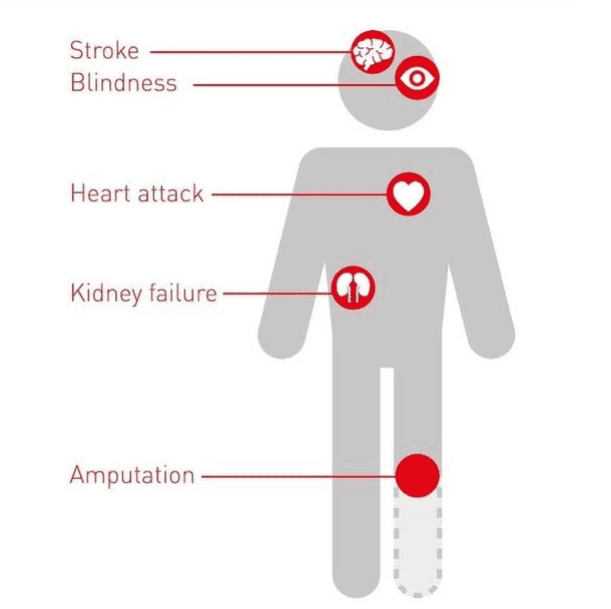
It is important to regulate your blood sugar level to avoid serious complications that affect your eyes, brain, kidney, heart, and feet among others. If unchecked, this can result in stroke, kidney and heart failure among others.
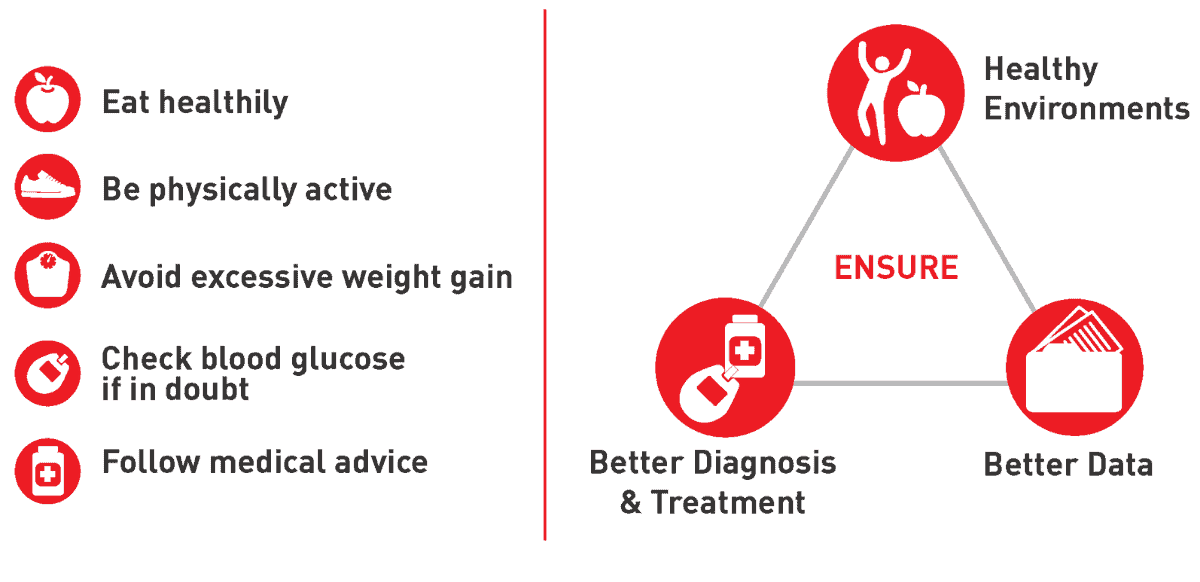
Access to holistic diabetes care (especially around diet, lifestyle modification and medication adherence) is an important component of chronic diseases like diabetes. However, such services are usually difficult to find in resource-limited settings, making patients vulnerable without a comprehensive diabetes management system.
MSF Telemedicine Helpline in India for diabetes management
If you are diabetic and need guidance on diabetes management, MSF telemedicine helpline can help you.
The helpline can support you to manage your diabetes effectively by providing,
- Meal plans for choosing a healthy diet
- Self-monitoring of blood glucose and general well being
- Counselling on lifestyle modification
- Taking your medication correctly
- Smoking cessation
- Routine follow-ups
TOLL FREE NUMBER: 1800-309-4144
The helpline is available from 9:00 AM to 9:00 PM.