Ukraine: Every day thousands of Ukrainians arrive in Slovakia – traumatised and exhausted
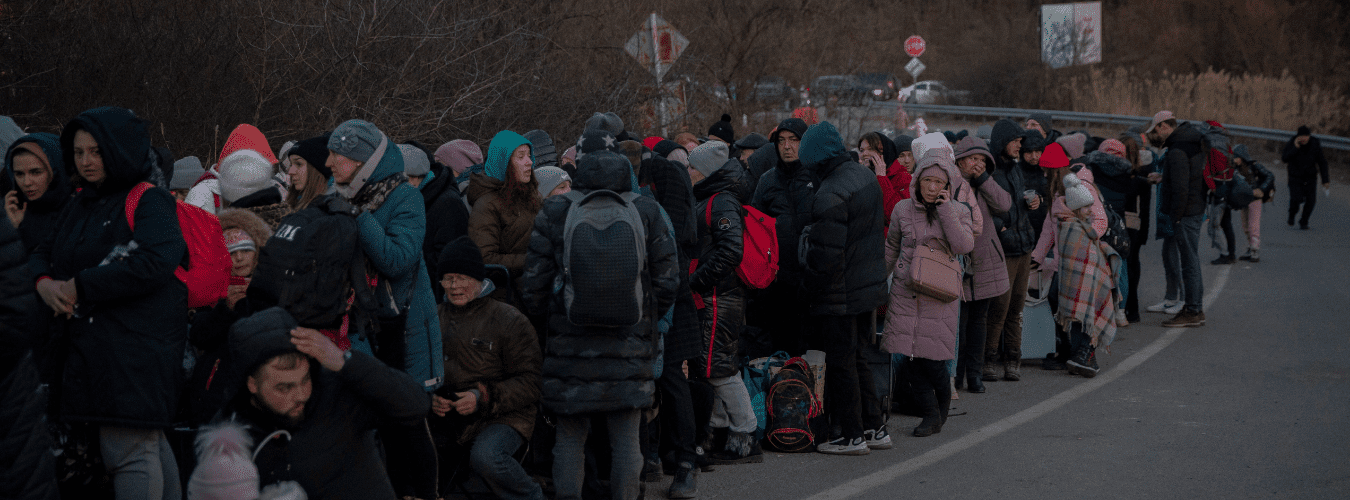
More than 195,000 refugees have crossed into Slovakia since the war started in Ukraine on 24 February, according to the UN*. Our project coordinator, Marta Wnorowska, is currently on the Slovakian-Ukrainian border and describes the situation on the ground. How is the situation in the border Ukrainian town of Uzhhorod?  Uzhhorod is a city two kilometres away from Slovakia, and … Read more
Ukraine: Thousands of people flee bombings in south Ukraine and head west

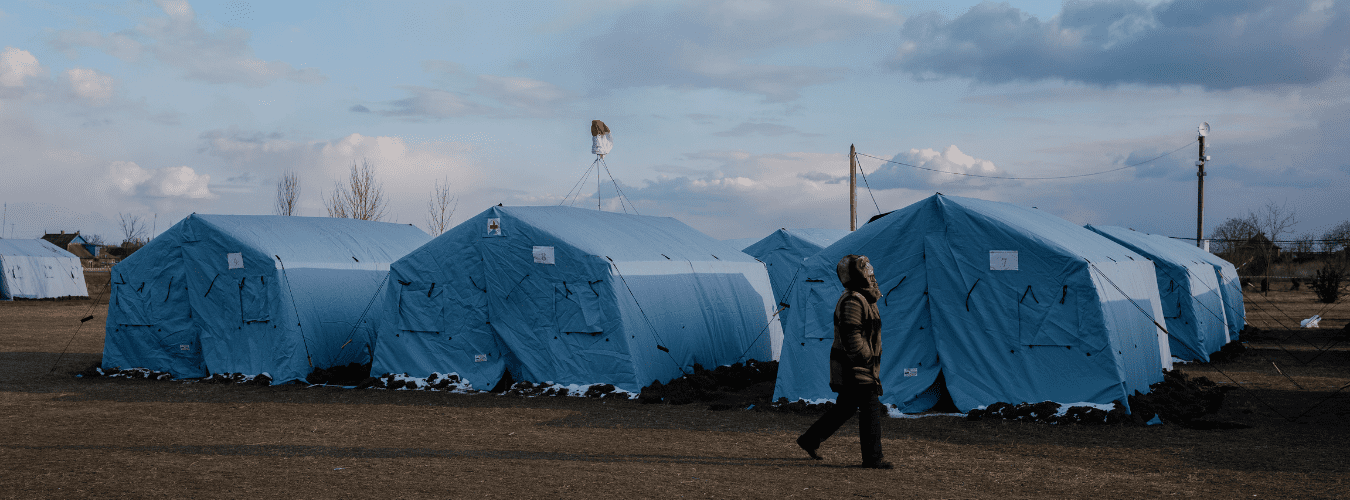
Thousands of Ukrainians are arriving at the Palanca border crossing in Moldova every day to escape the fighting in the south of Ukraine. Since the war began, more than 230,000 refugees (as of March 8) have arrived in Moldova. However, less than half of them have stayed –  heading west to other countries in Europe. Those arriving in Palanca … Read more

Ukraine: “There’s an urgent humanitarian race against time in Ukraine”

Anja Wolz, Doctors Without Borders/Médecins Sans Frontières (MSF) Emergency Coordinator currently based in Lviv, Ukraine, explains the urgency of this stage of the humanitarian response to the war in the country. Here in Lviv, I am getting multiple calls from hospitals with urgent appeals for assistance. We are embarking on an urgent race against time to … Read more

Ukraine: In Odessa, “everyone is preparing for the worst”

Carla Melki, emergency coordinator for Doctors Without Borders/Médecins Sans Frontières (MSF), has just returned from the port city of Odessa in southern Ukraine, where she was part of an MSF team assessing the current situation. Our teams there have been planning activities in response to the war in the country. From Moldova, a neighbouring country to which refugees … Read more

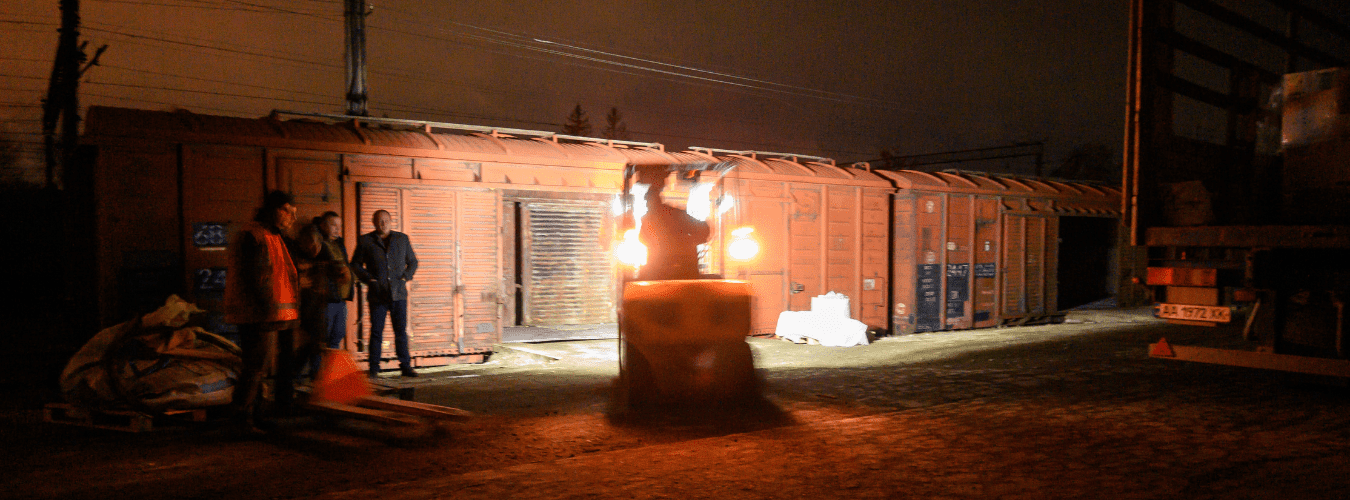
Ukraine: Emergency medical supplies rushed to Kyiv by train from Ukraine warehouse

Around 6 pm local time, Saturday 5 March, one of Médecins Sans Frontières’ (MSF) emergency response teams in Ukraine met Oleksandr Kamyshin, Chairman of the Board of Ukrainian Railways. MSF’s first international supplies had arrived in Ukraine, and had been unloaded in the warehouse, just a few hours before. “The hospitals in Kyiv are desperate … Read more

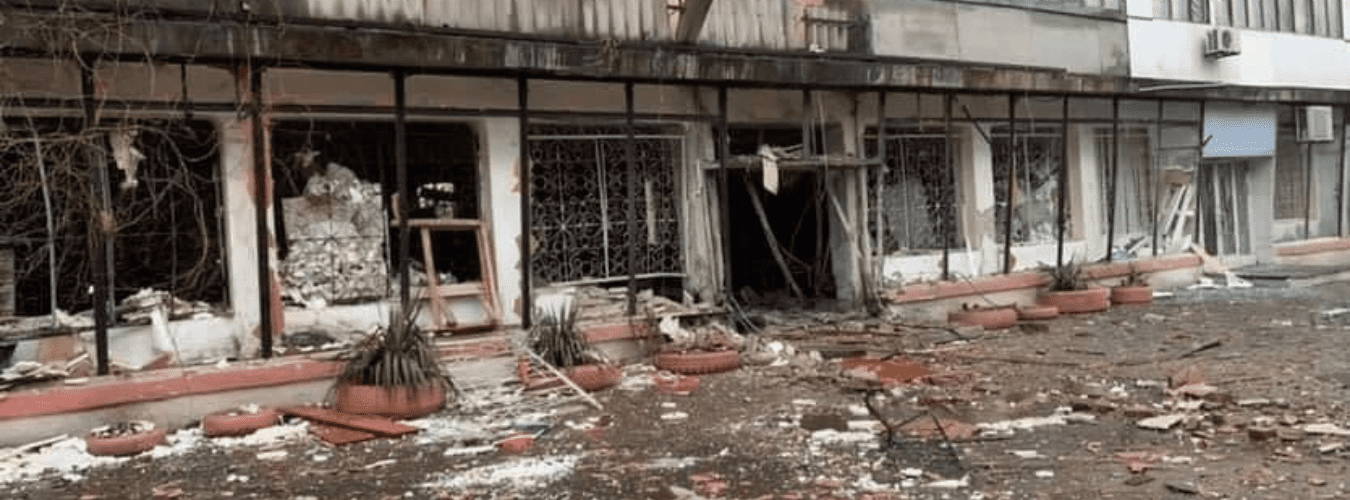
Ukraine: Civilians must be allowed safe passage out of dire conditions in Mariupol

The city of Mariupol is among the areas now heavily affected by the war in Ukraine. Multiple staff members of Médecins Sans Frontières (MSF) are sheltering in the city with their families. One staff member gave the following account today: “The situation is the same as in recent days. Last night the shelling was harder and … Read more

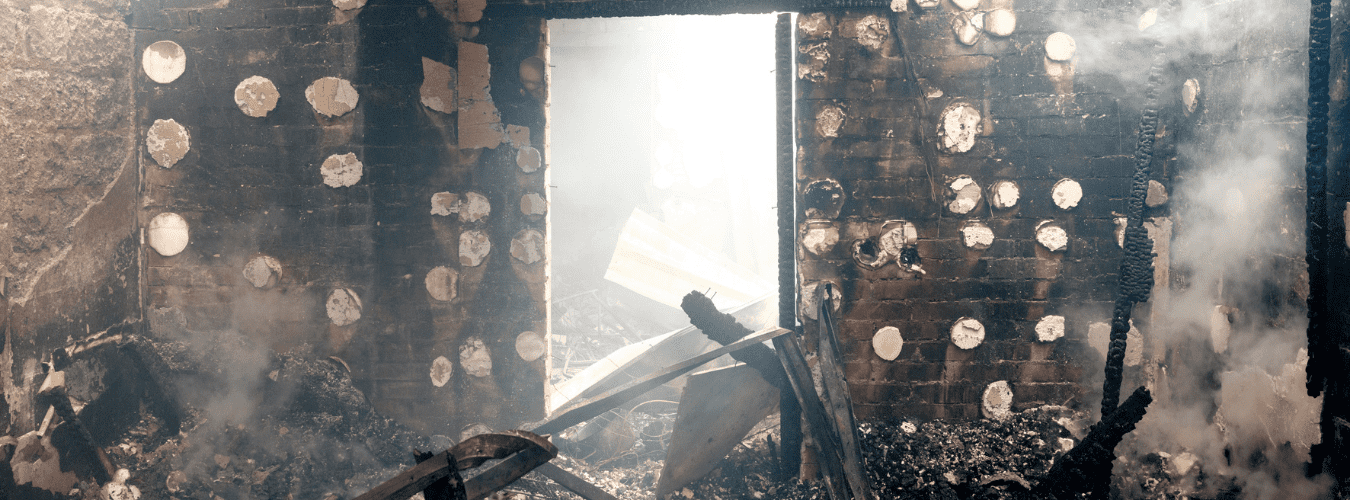
Ukraine: Corridors are not enough for civilians and humanitarian aid in Ukraine

Following the soul-wrenching reports we received from trapped Médecins Sans Frontières (MSF) staff in Mariupol, Ukraine, we are closely following the ongoing reports about an agreement for the safe passage of civilians this weekend. It is vital that such opportunities for civilians to escape from areas of violent warfare are not one-off and time-limited offers. At MSF, … Read more

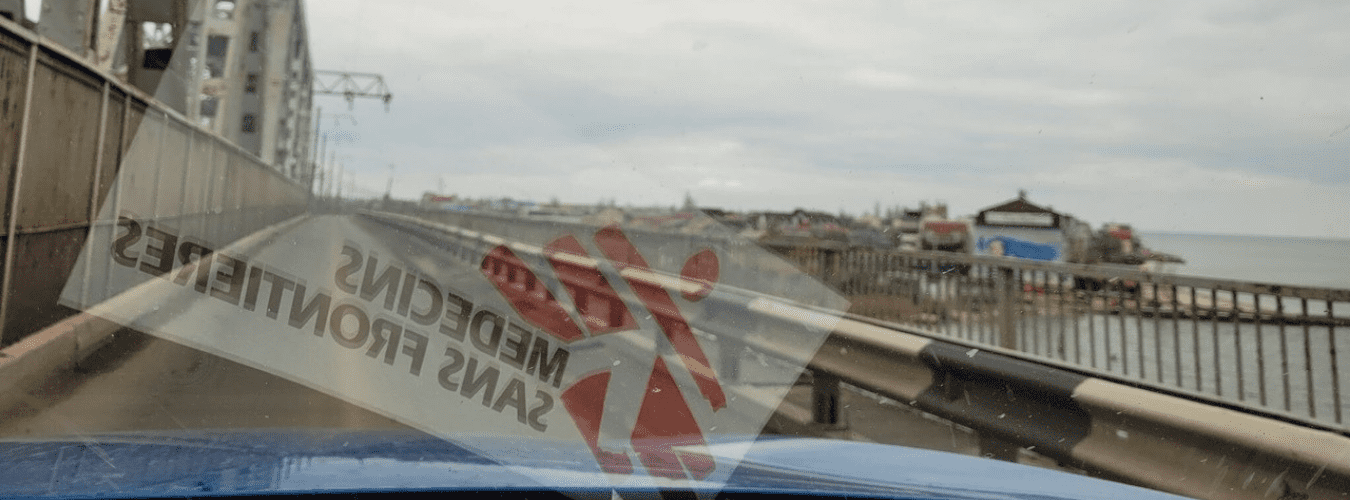
Ukraine: How MSF is trying to access areas most affected by fighting

While the number of deaths and injuries rises in Ukraine and hundreds of thousands of people seek refuge in neighbouring countries, Doctors Without Borders/Médecins Sans Frontières (MSF) is working to get staff and equipment into areas most affected by the Russian military offensive. Bérengère Guais, deputy head of emergency programmes in Paris, explains the challenges and … Read more

Jordan: MSF ends intervention for Syrian refugees in northern Jordan

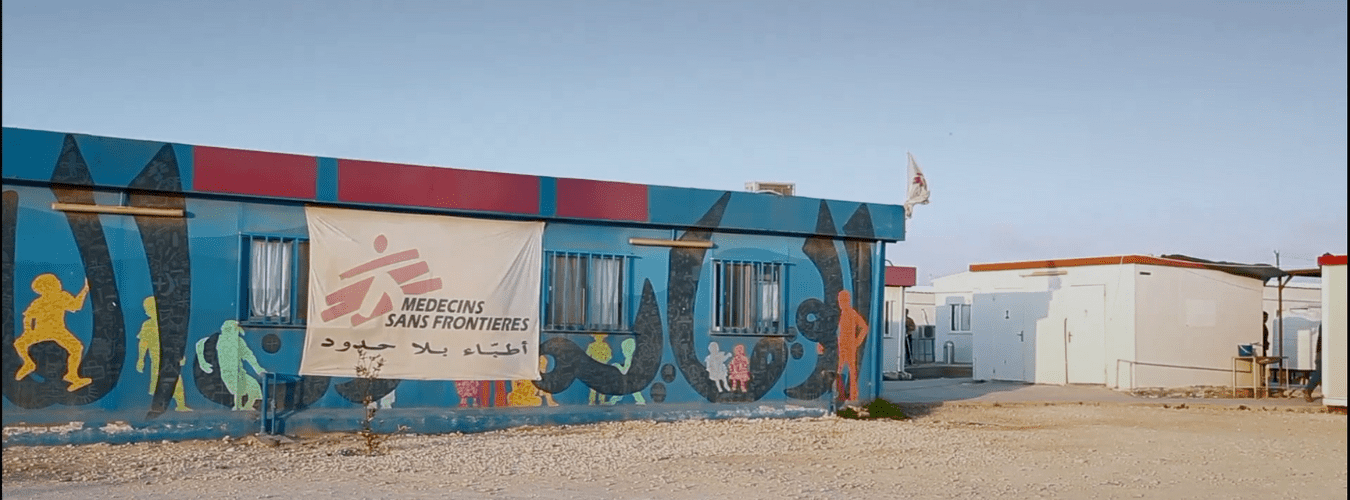
Doctors Without Borders/Médecins Sans Frontières (MSF) has ended one of its largest interventions responding to the health and humanitarian needs of Syrian refugees in Jordan. Our response to the Syrian refugee crises in Jordan started in 2013, through an emergency surgical hospital in Ramtha to treat war-wounded patients crossing the borders from southern Syria. In 2014, a 40-bed post-operative care … Read more

Ethiopia: Six months on, still no responsibility established for the killing of María, Tedros and Yohannes in Tigray

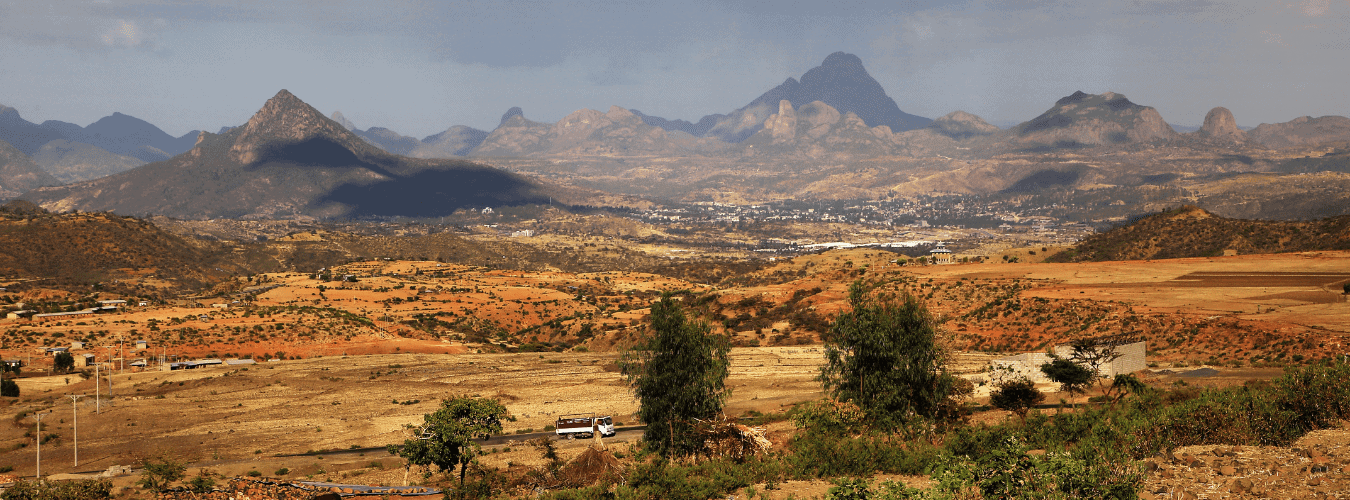
Six months after the murder of our three colleagues María, Tedros and Yohannes, the full circumstances of, and responsibility for, their killing remains unclear. On 24 June 2021, 35-year-old María Hernandez, our emergency coordinator; 32-year-old Yohannes Halefom Reda, our assistant coordinator; and 31-year-old Tedros Gebremariam, our driver, were travelling in the Tigray region, northern Ethiopia, when we lost contact … Read more