From Clinics to Sludge: The many facets of MSF
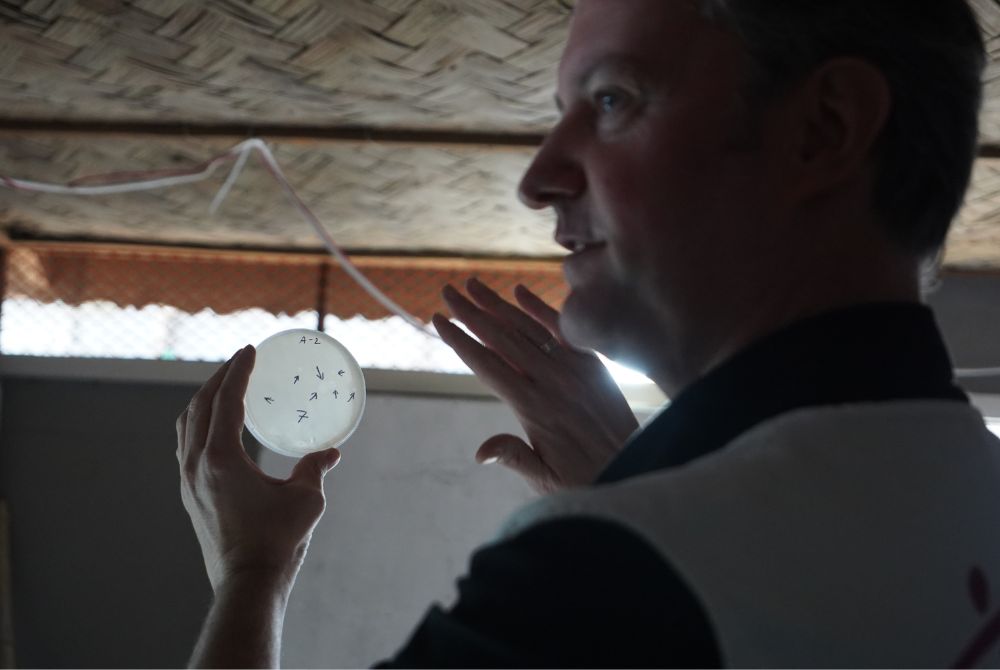
When people think of Médecins Sans Frontières / Doctors Without Borders (MSF), images of medical teams providing life-saving care often come to mind. However, MSF’s impact extends well beyond medical aid, with significant efforts in areas that are not just medical. One of these unexpected yet essential areas is wastewater management, specifically dealing with fecal … Read more
Médecins Sans Frontières(MSF) calls attention to the ongoing Rohingya crisis

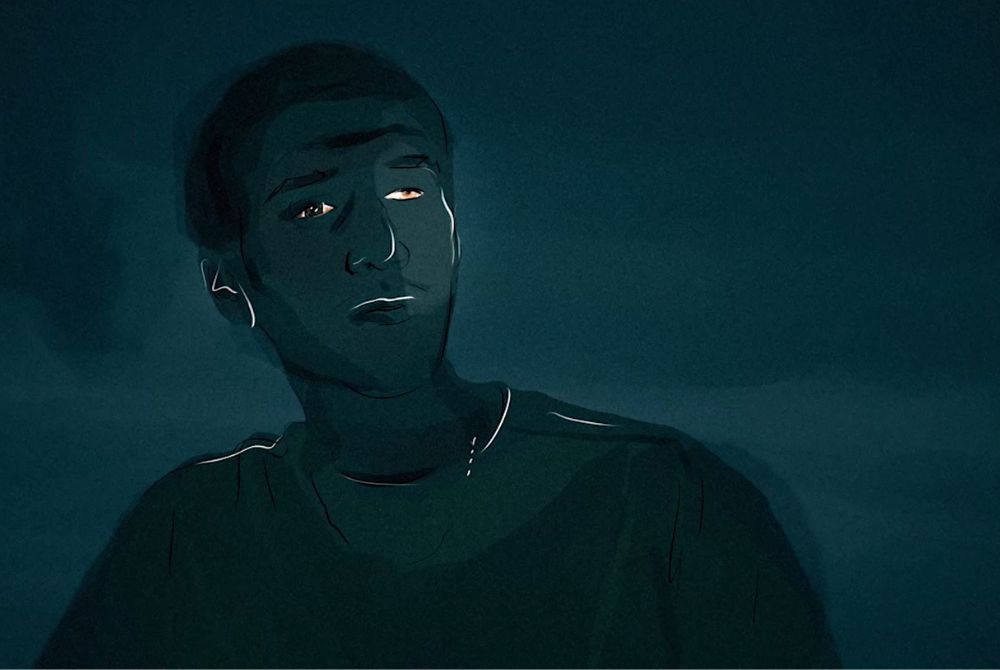
Today, Médecins Sans Frontières (MSF)/Doctors Without Borders launched a short animation film, “Lost at Sea“, that illustrates the harsh reality Rohingya endure as they try to seek safety—and their resilience. The film “Lost at Sea” is based on the experience of Muhib, a Rohingya man who fled Myanmar and made this dangerous journey across the … Read more

Remnants of home: six years on, the lasting mementos of Rohingya families

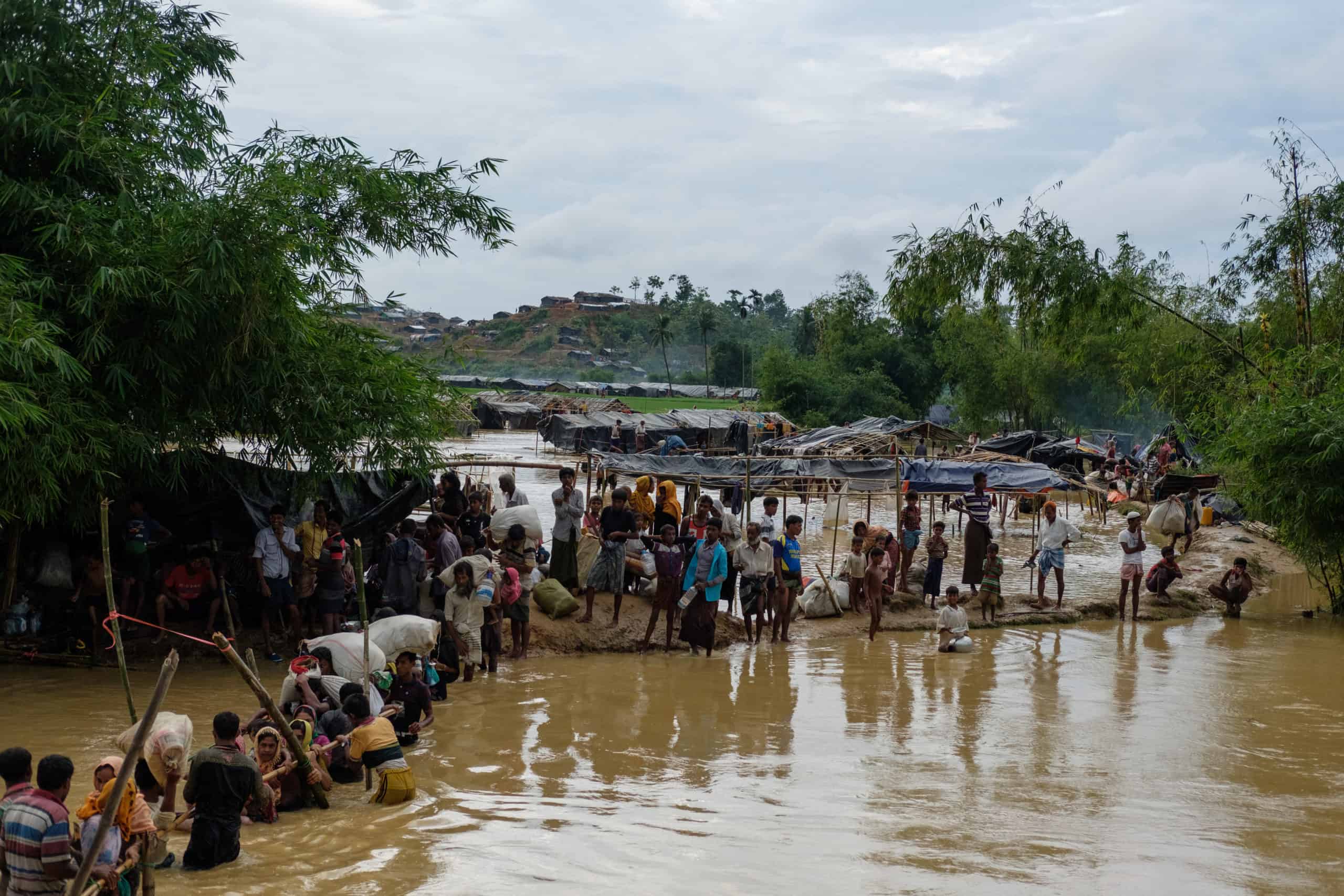
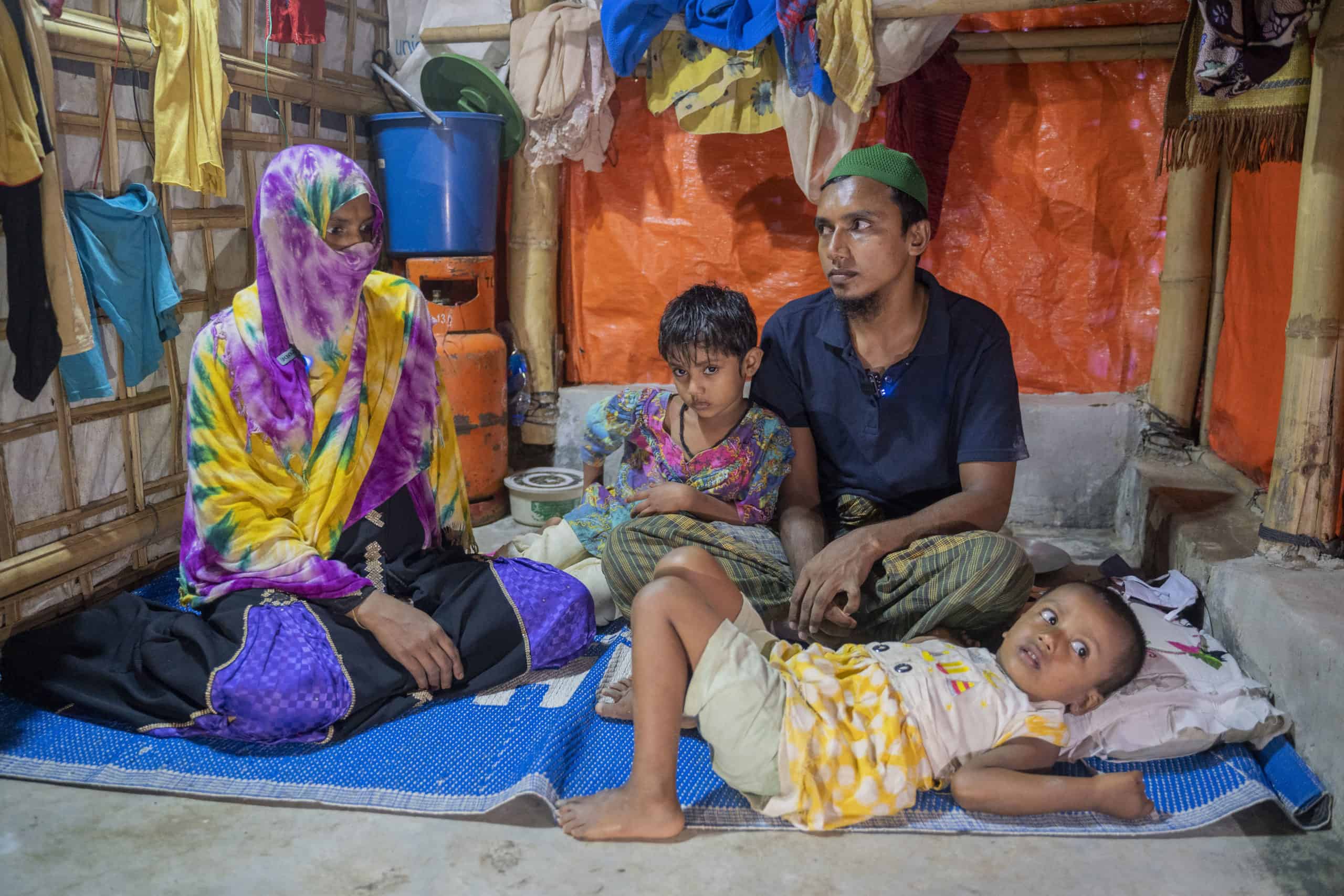
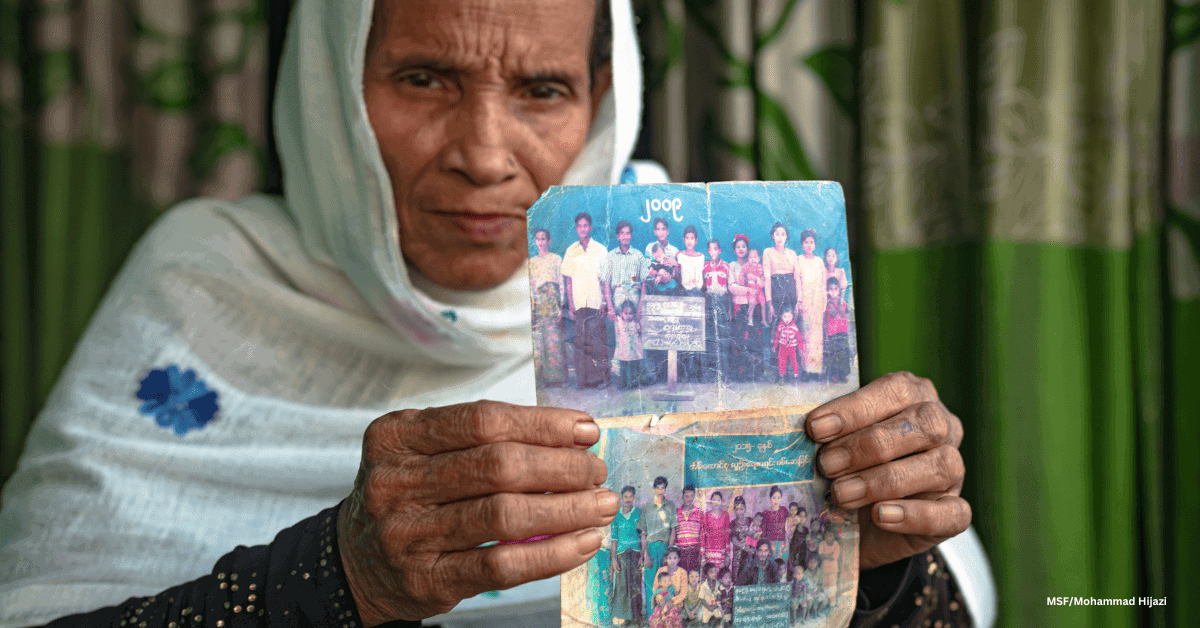
Once, in villages within Rakhine State in western Myanmar, the Rohingya community lived, raising families and pursuing livelihoods. However, that existence was shattered on 25 August 2017, when a wave of targeted violence and persecution forced the Rohingya to flee their homes The Rohingya people are a persecuted Muslim ethnic minority from Myanmar. Forced to … Read more

Bangladesh: MSF calls for an urgent and comprehensive response to the scabies outbreak in Cox’s Bazar refugee camps

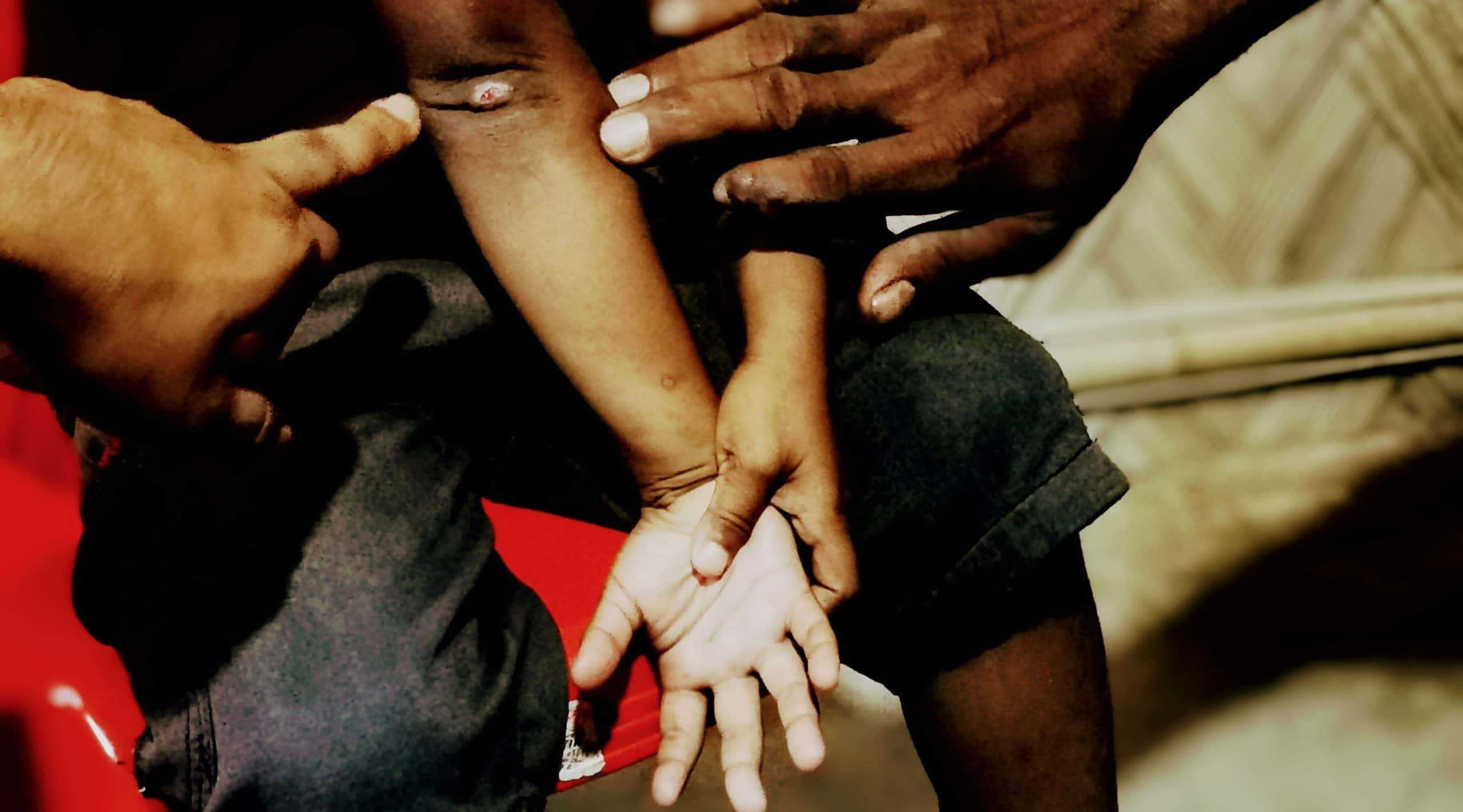
Cox’s Bazar, 12 July, Wednesday – An outbreak of scabies, the skin disease, is affecting hundreds of thousands of Rohingya living in refugee camps in Bangladesh’s Cox’s Bazar district, demanding an urgent response, says international medical organisation Médecins Sans Frontières/Doctors Without Borders (MSF). To bring the outbreak under control, the response needs to be fast … Read more

Bangladesh: Scabies in Rohingya refugee camps

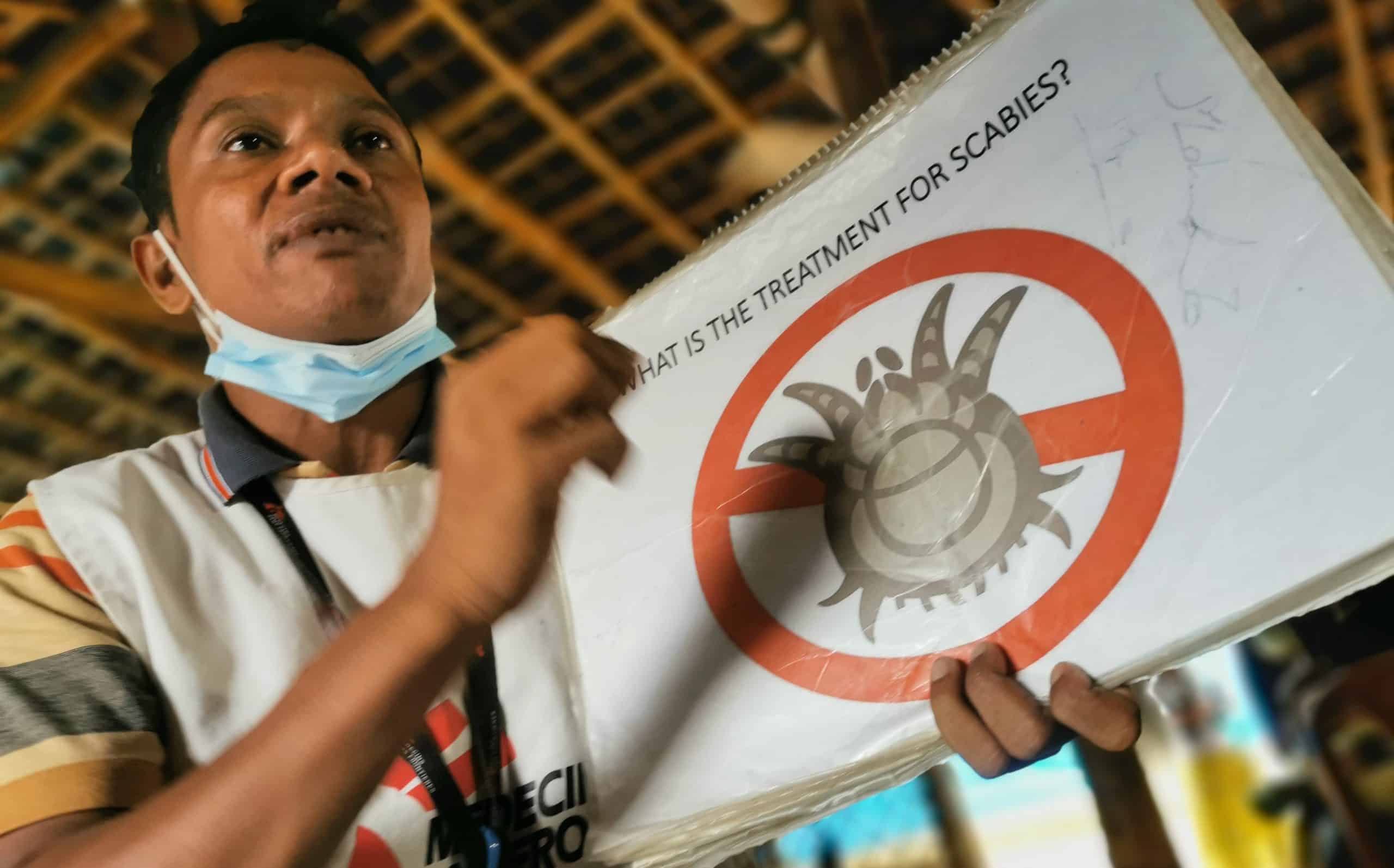
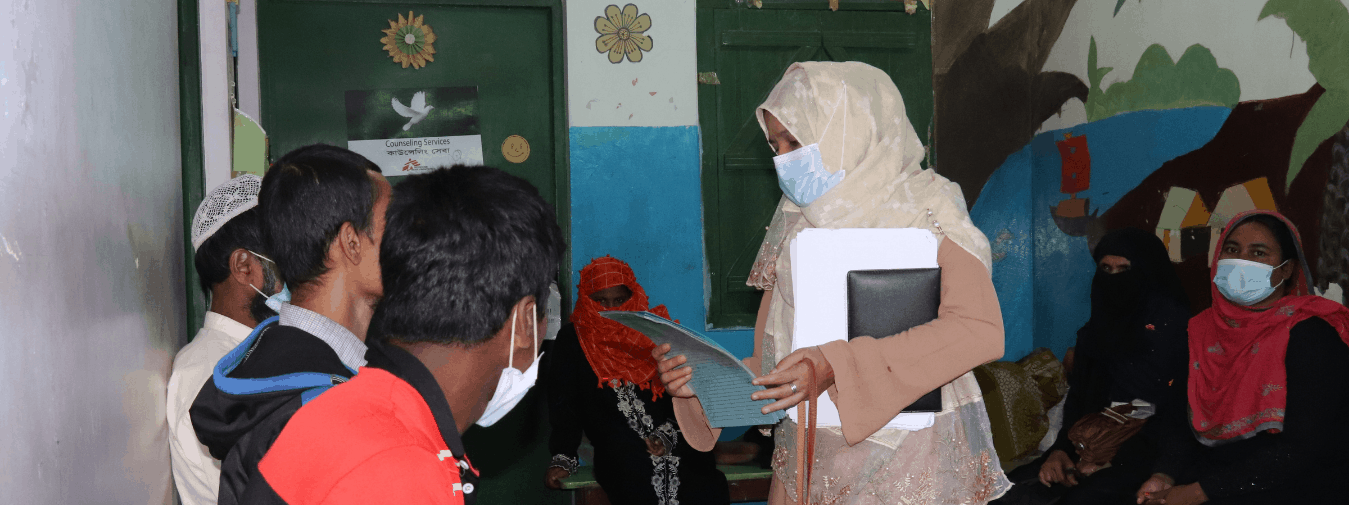
Ali, an MSF community-based health promotion volunteer raises awareness on scabies in the clinic’s waiting area. 1 June 2023, Jamtoli Clinic, Ukhiya, Cox’s Bazar, Bangladesh. ©Olivier Malvoisin Nearly 40 percent of people in the Rohingya refugee camps in Bangladesh have scabies according to the results of a prevalence survey conducted by the health sector in … Read more

Bangladesh: Scabies outbreak worsens in Rohingya refugee camps; more action needed to bridge healthcare gaps

MSF teams in the world’s largest refugee camp in Bangladesh are overwhelmed by the ongoing outbreak of scabies and are calling on other health actors to take their responsibility. Ajmot Ullah is a 26-year-old Rohingya refugee living in the world’s largest refugee camp in Cox’s Bazar, Bangladesh, since 2017. Rohingya refugees cannot legally work in … Read more

Bangladesh: Poor water and sanitation services expose Rohingya community to disease

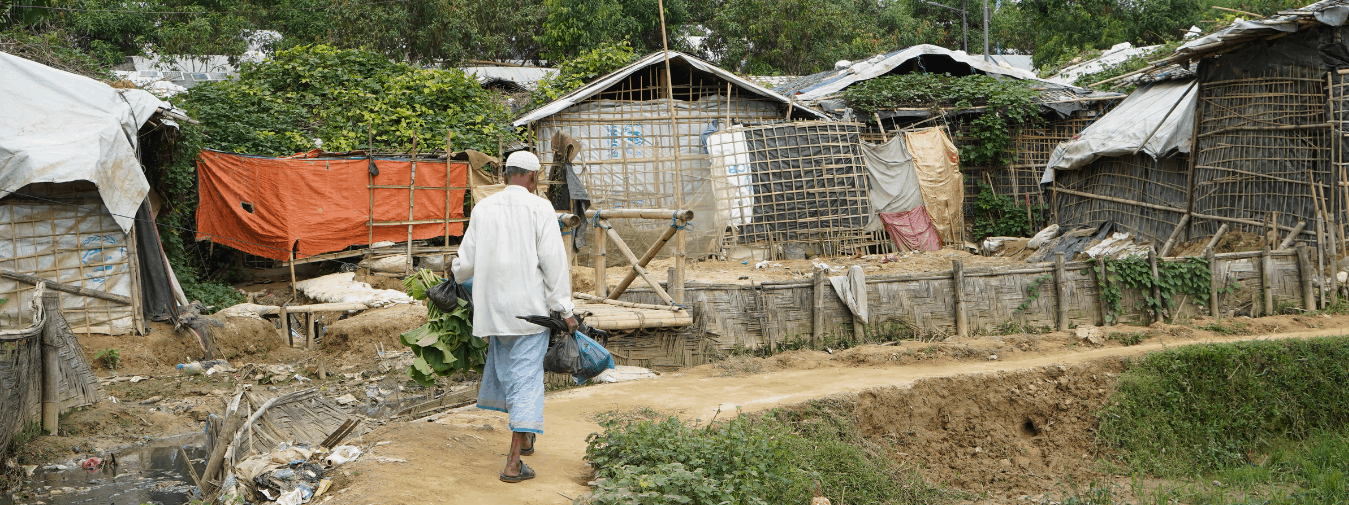
A recent assessment by MSF in the refugee camps of Cox’s Bazar, Bangladesh, shows that five years since the acute emergency phase of the response to support Rohingya refugees in 2017, the water and sanitarian situation in the camps is concerning. The 2022 water and sanitation community feedback study, concluded in June, assessed water, sanitation … Read more

5 years on: 5 Rohingya people talk about their past, present and future

Médecins Sans Frontières/Doctors Without Borders (MSF) spoke with five Rohingya people living in refugee camps in Cox’s Bazar, Bangladesh, to understand how they see their lives five years since being forcibly displaced from Myanmar. Representing the ages five, 15, 25, 45 and 65, together they span three generations of Rohingya living in the camps. They … Read more

Bangladesh: Relocations, reduced services leave Rohingya communities at breaking point in Bangladesh

Faruk* is a Rohingya refugee – one of nearly a million – living in a camp in Cox’s Bazar, Bangladesh. “No one wants to be a refugee; the life we have here is not easy. We live in an open prison,” Faruk says. “Life for a refugee is hellish and every day is the same. I can’t … Read more

Rohingya refugee crisis: Two years on, no solutions in sight for the Rohingya

Sitting in a teashop in Kutupalong mega-camp, Bibi Jan tugs on her sleeve. She’s covering up scars inflicted during the largest-ever episode of violence against the Rohingya, in August 2017. She tells us of the events that forced her to flee to Bangladesh: her two brothers were killed, she herself was stabbed, and her village … Read more