Philippines: Typhoon Kalmaegi emergency response in Cebu
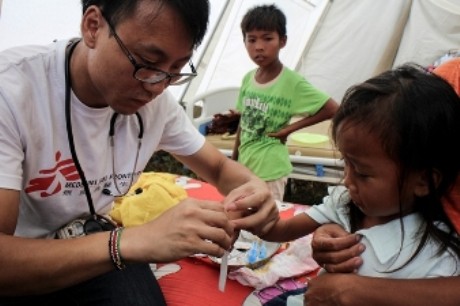
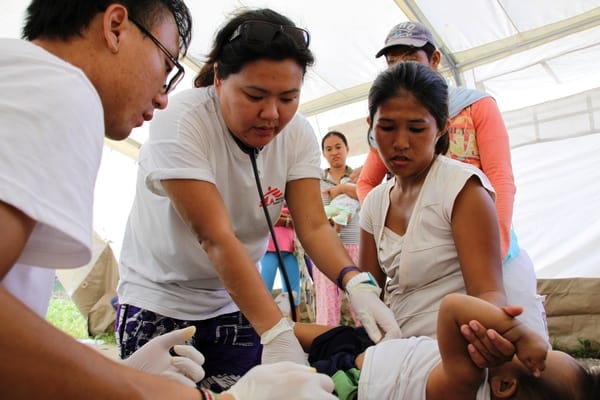
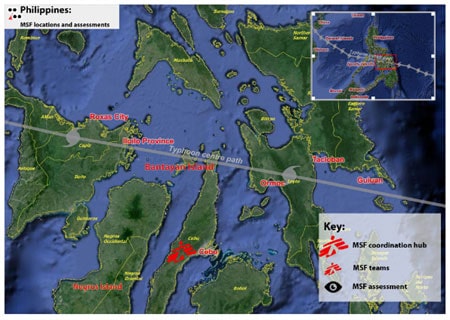
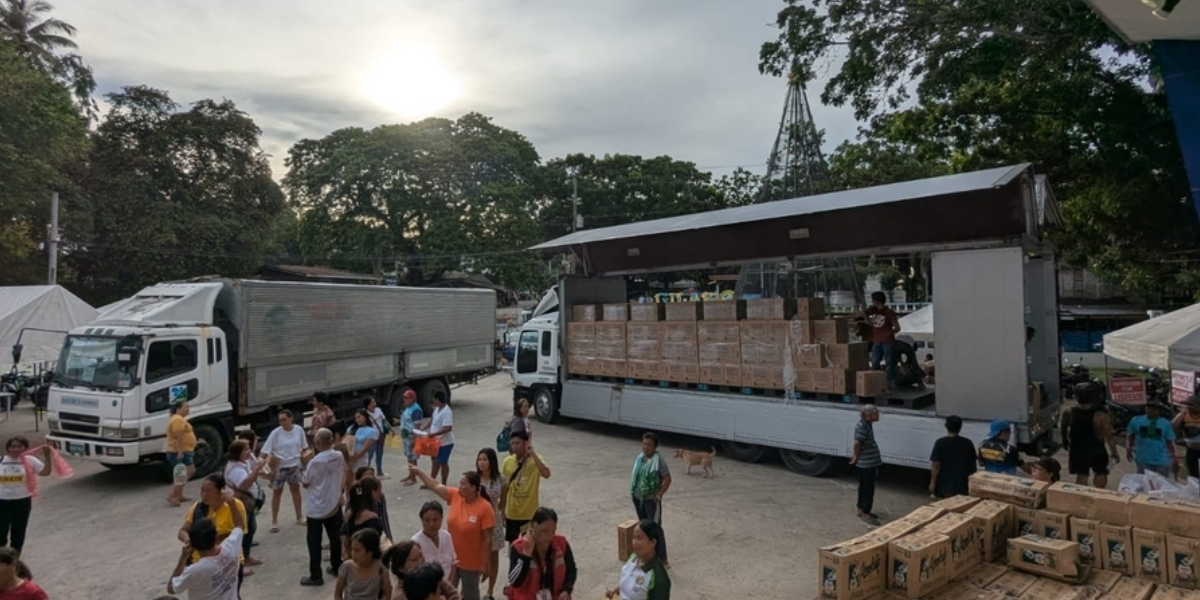
Typhoon Kalmaegi (locally known as Tino) has ravaged at least eight regions across the Philippines, displacing approximately 400,000 people. Official figures (as of 9 November) report 162 deaths, 503 injuries, and 79 individuals still missing. Médecins Sans Frontières (MSF) teams are currently on the ground in Cebu, delivering emergency response services. In Danao, we supported … Read more
Philippines: MSF works with rural communities to deliver aid after the Cebu earthquake

On 30 September, a powerful 6.9 magnitude earthquake struck central Philippines, claiming at least 76 lives and injuring hundreds more. Cebu province was hardest hit, with Bogo City—closest to the epicentre—bearing the brunt of the devastation. A Doctors Without Borders / Medecins Sans Frontieres team arrived in Bogo on October 1 and immediately began assessments. … Read more

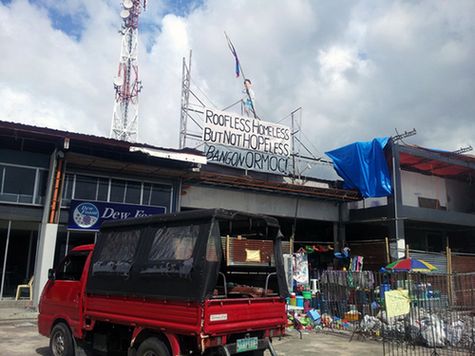
Philippines: "Roofless, Homeless, but Not Hopeless"

December 10, 2013: One month after Typhoon Haiyan swept through the central Philippines, Filipinos are starting to rebuild their homes and lives, says Doctors Without Borders/Médecins Sans Frontières (MSF) emergency coordinator Ibrahim Younis. But while people in cities are receiving assistance, many remote farming communities have still received little aid. One month on, have people received … Read more

One Month After the Typhoon: MSF Supporting Central Philippines Health Systems

December 6, 2013: One month after Typhoon Haiyan, which killed 5,600 people and displaced more than four million according to official figures, Doctors Without Borders/Médecins Sans Frontières (MSF) is working in several locations on three islands in the Philippines to support the health system and deliver medical care to those in need. “We are providing healthcare … Read more

Philippines: Reaching out to isolated communities

December 5, 2013: The consequences of Typhoon Haiyan have been devastating in the regions of Leyte, Samar and Panay, but the plight of the population in the rural and isolated areas of these islands has often gone unreported. Reaching out to these communities is a top priority for the medical humanitarian organisation Doctors Without Borders/Médecins … Read more

Philippines: MSF reaching remote areas still in need of aid

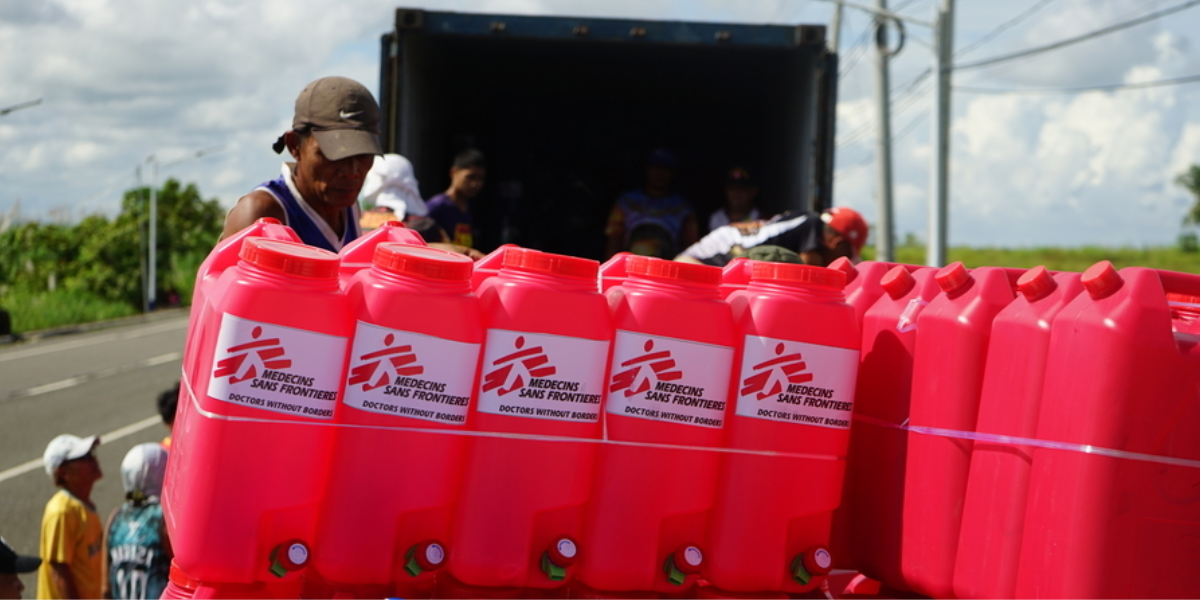
Despite increasing humanitarian aid in typhoon-hit areas of the Philippines, MSF teams are still finding villages and towns that have not yet received any aid. MSF’s teams are working in hospitals, running mobile clinics, providing mental healthcare, distributing essential relief items and clean drinking water. In Guiuan, 1,200 tents have been distributed and potable water … Read more

Philippines: MSF team sets up inflatable hospital

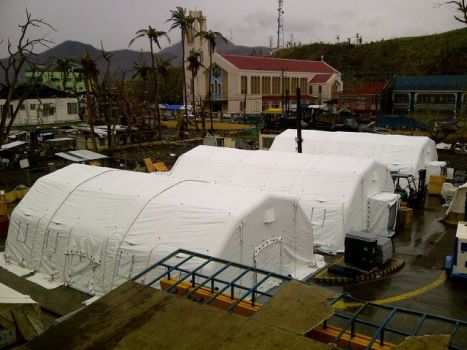
November 22, 2013: Developed specifically for natural disasters, MSF’s inflatable hospital is a temporary structure in which its teams will provide secondary healthcare and surgical care in the typhoon-hit city of Tacloban over the next three to six months while the local healthcare system is rebuilt. A team from the international medical organisation Doctors Without … Read more

Philippines Typhoon: Survivors tell their stories – “We have nothing, we lost everything.”

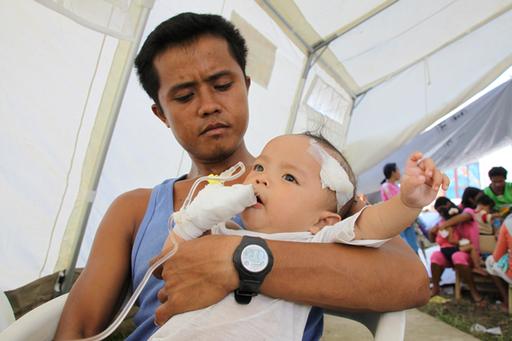
November 20, 2013: Cradled in his father’s arms, five-month old Niño James Padernos cries feebly. He is coughing and has been feverish for two days, with red spots on his face. “Two days ago he came down with a fever. It didn’t go away,” says Niño’s mother. “His fever is very high, I am very … Read more

Typhoon Haiyan: Teams Encounter Widespread Medical Needs

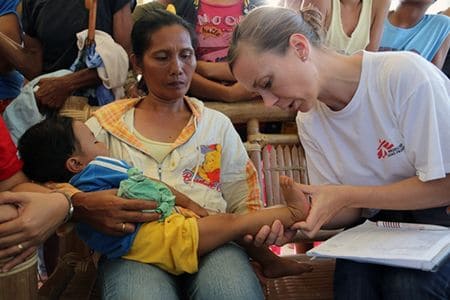
November 19, 2013: Doctors Without Borders/Médecins Sans Frontières (MSF) teams in the Philippines are treating patients for wounds, chronic medical conditions, infections, and psychological trauma. Here, Dr. Natasha Reyes, MSF emergency coordinator, describes the widespread needs. MSF has been doing medical consultations in the ruined town of Guiuan for the past four days. Six hundred … Read more