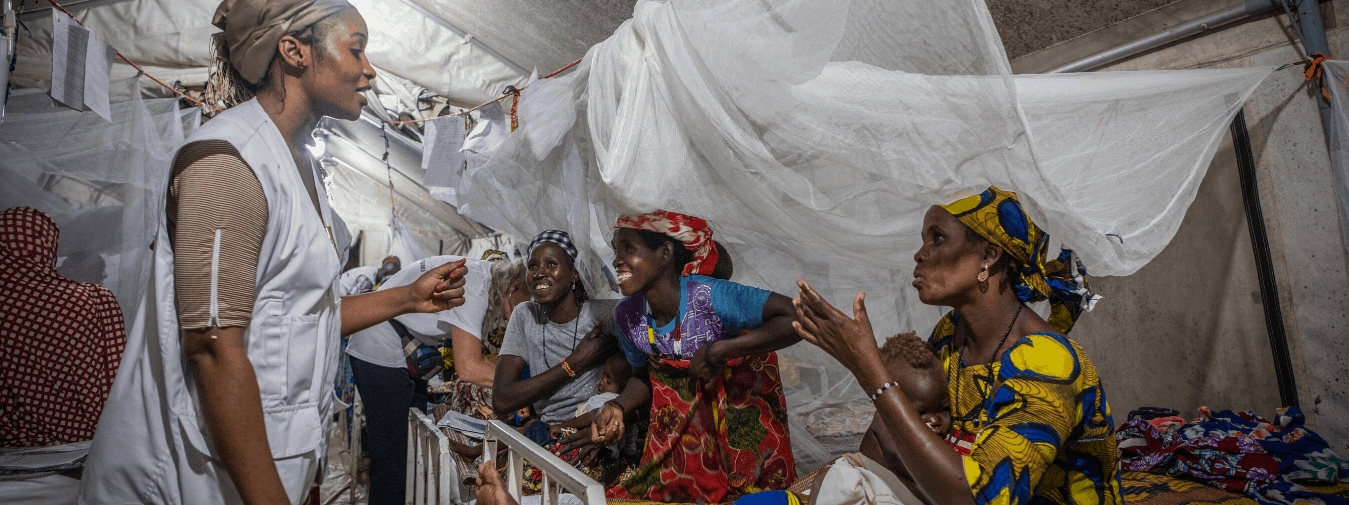
Helping tackle malnutrition and malaria in Angola
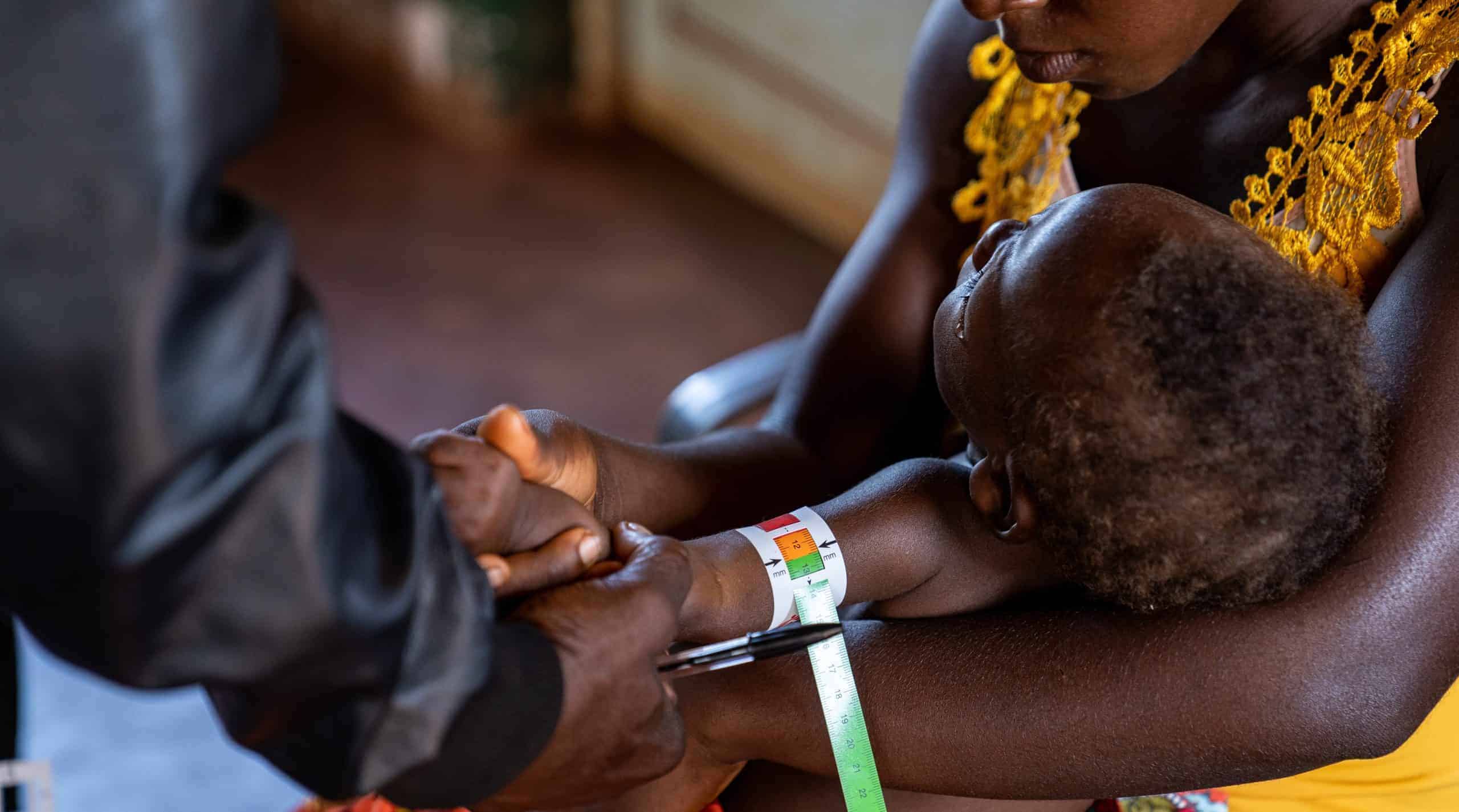
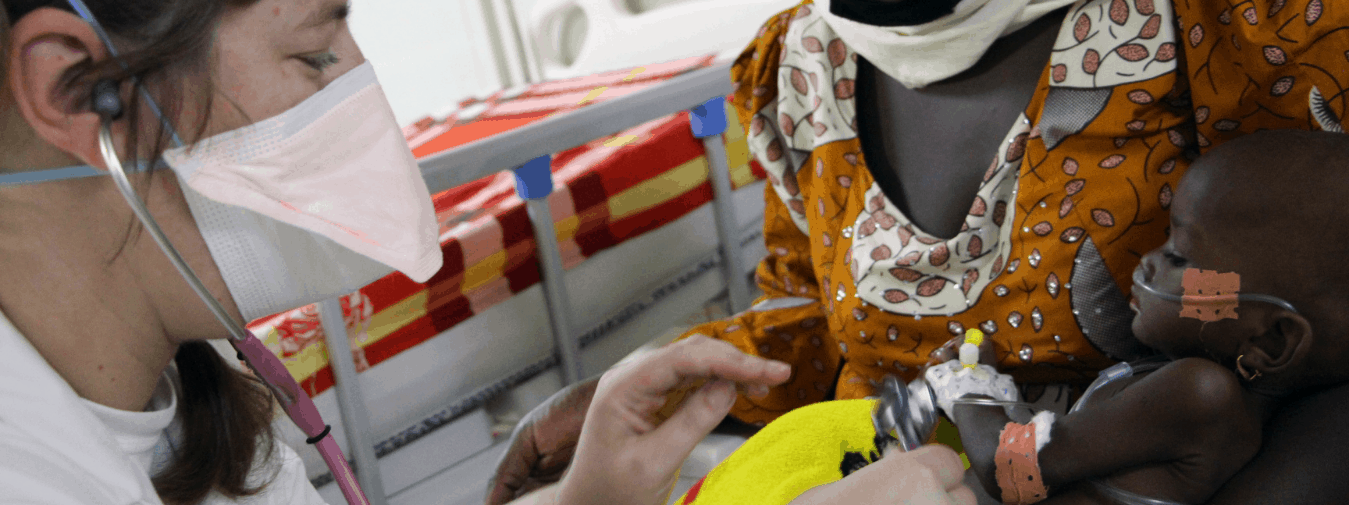
Malnutrition and malaria are common in remote communities in Angola, especially during peaks of drought and heavy rain. Women and their children are most affected. For the last year, Doctors Without Borders/Médecins Sans Frontières (MSF) has collaborated with local health authorities to reduce the burden of these diseases in the provinces of Huíla and Benguela. … Read more
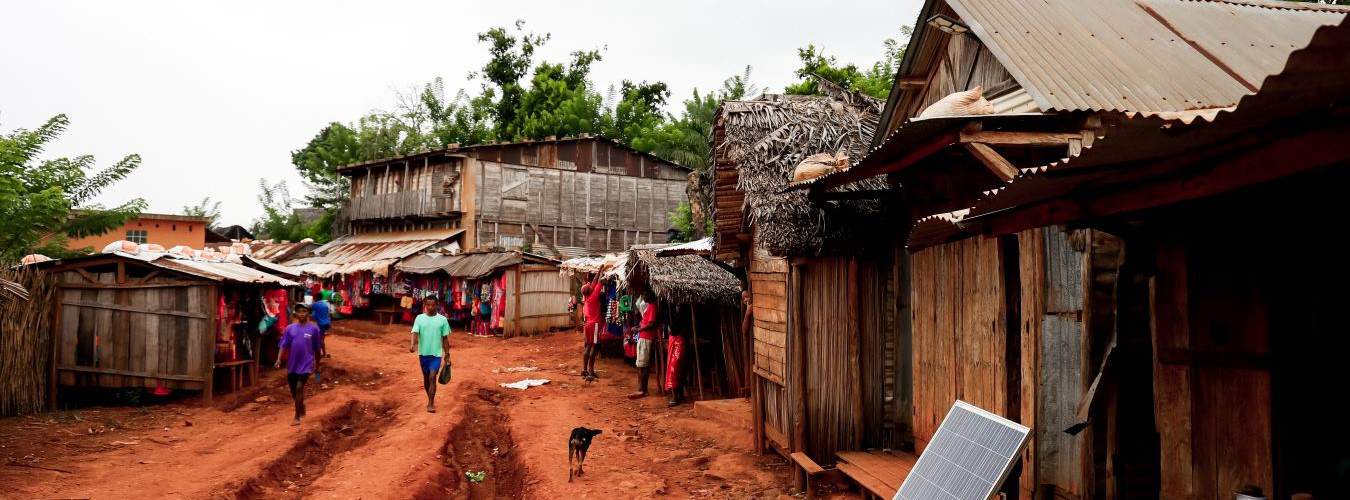
Madagascar: Struggling To Survive A Triple Crisis

In Madagascar, Médecins Sans Frontières (MSF) teams are witnessing an alarming rate of malnutrition in southeastern districts where families are dealing with a triple crisis of food insecurity, malaria, and extreme weather events. Between January and April over 1,200 children under five years old suffering from severe acute malnutrition were admitted to MSF-supported treatment centres. … Read more

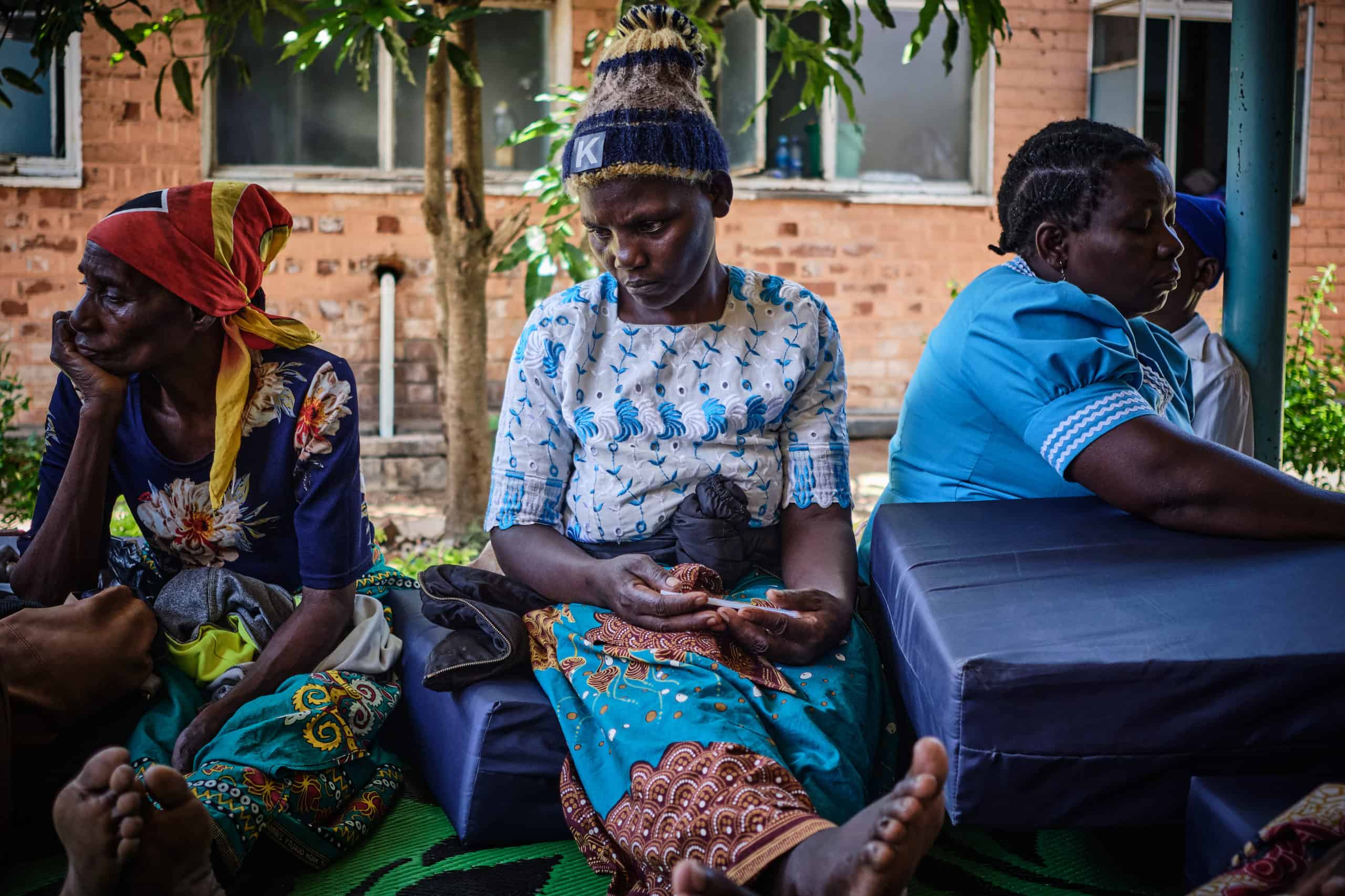
Malawi: Managing cervical cancer in a country with limited treatment options

Cervical cancer accounts for 37 per cent of new cancers in women in Malawi. Since 2018, MSF has been working to reduce the incidence of cervical cancer and bring down deaths from the disease in the districts of Blantyre and Chiradzulu. MSF head of mission Marion Péchayre explains how. The high number of women dropping … Read more

Nigeria: Extra-long malaria season in Borno claims lives

Nigeria has some of the highest number of deaths from malaria worldwide. Usually, peak malaria season takes place during the rainy season from August to mid-October, when mosquitoes breed, after which patient numbers begin to decrease. This year, however, medical teams from Doctors Without Borders/Médecins Sans Frontières (MSF) working in northeast Nigeria’s Borno state have witnessed a spike … Read more

South Sudan: Worsening flooding increases health risks

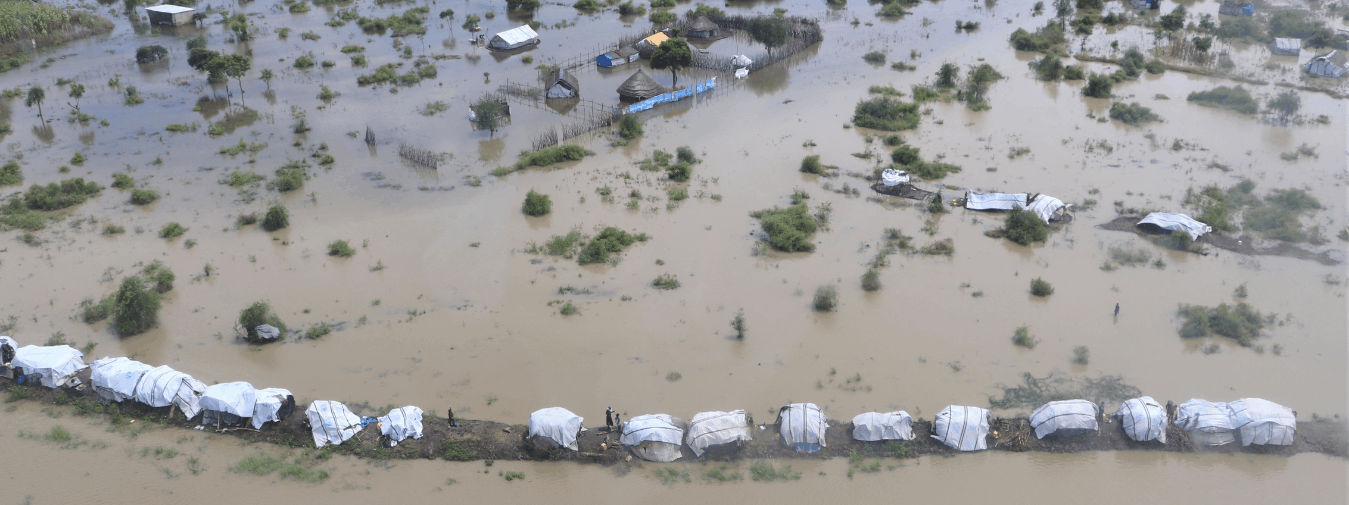
Severe flooding is affecting an estimated 800,000 people across a wide swathe of South Sudan, inundating homes and leaving people without adequate food, water or shelter. Many areas have been flooded since July and rising river levels are worsening the crisis. Doctors Without Borders/Médecins Sans Frontières (MSF) is providing medical care in flood-affected areas of … Read more

Central African Republic: In times of COVID-19, malaria remains the number one killer of children in CAR

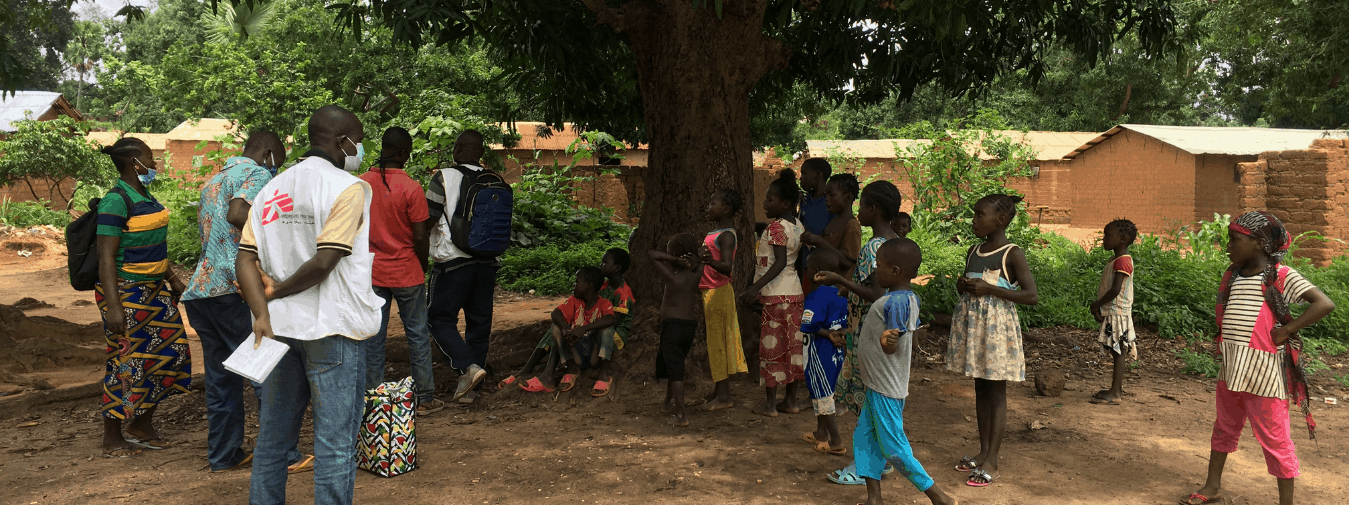
The hospital in Batangafo – a town of 31,000 people, including 22,000 displaced from elsewhere in the Central African Republic – is bustling with activity. While a particular focus has been placed on infection prevention and control measures to identify and isolate people with suspected cases of COVID-19, another deadly disease has a much heavier impact on the … Read more

Venezuela: Fighting malaria and a failing health system in Bolivar

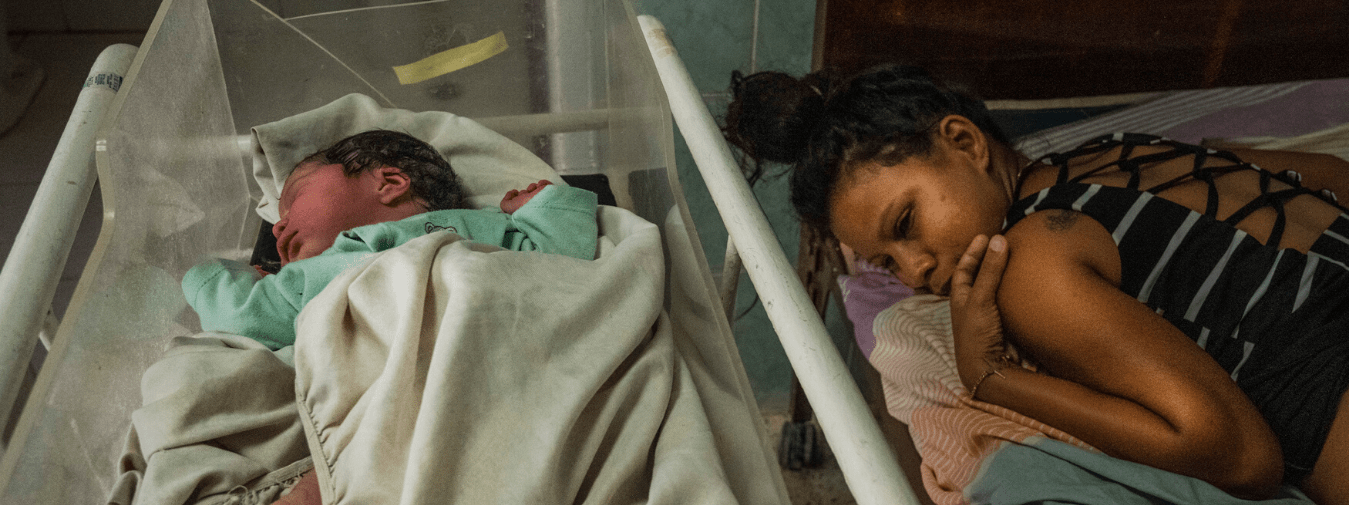
Gold is probably not the first thing that comes to mind when you think of a nation going through a  severe political and economic crisis. But in Bolivar, Venezuela’s biggest state, illegal gold mining has been booming for years and the yellow metal has become a motivation for many Venezuelans to head towards the south … Read more

Niger: Fifteen years treating malnutrition and malaria around the clock

Every year, the combination of ‘hunger gap’ and rainy season triggers a spike in rates of malnutrition and malaria in southern Niger – particularly from July to October. Since the large-scale food crisis of 2005, the prevention and treatment of childhood diseases has greatly advanced: from ready-to-use therapeutic meals to more decentralised, comprehensive, patient-centred approaches. Hundreds of … Read more