India: Power of Social Vulnerability Assessment (SVA)
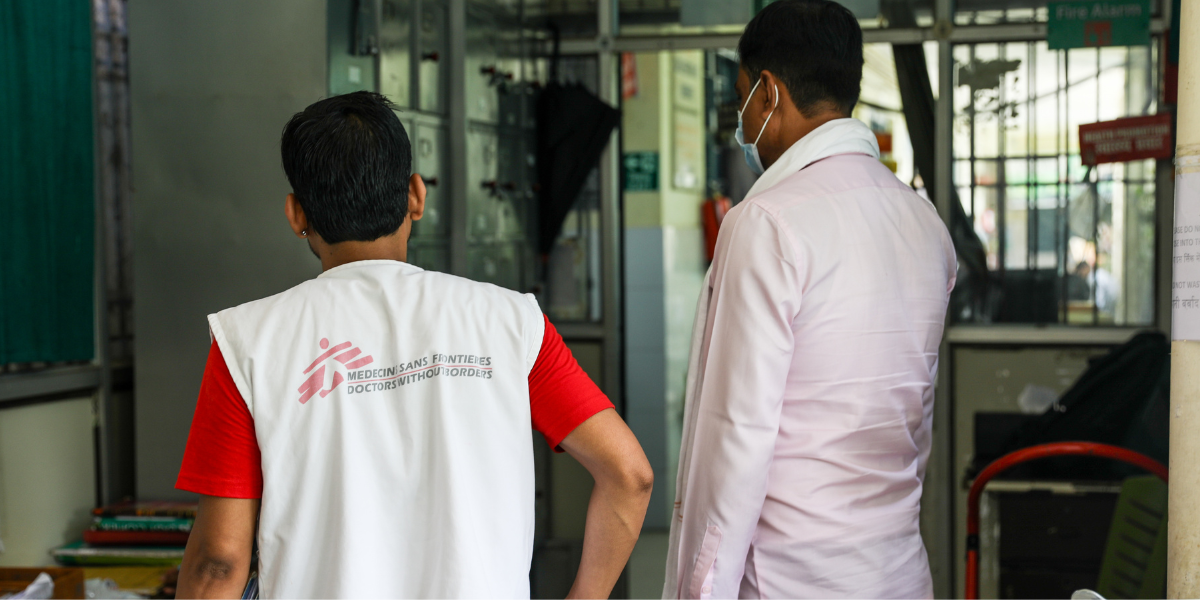
At Doctors Without Borders/Médecins Sans Frontières (MSF), we believe that understanding our patients goes far beyond their medical symptoms. That’s why we introduced the Social Vulnerability Assessment (SVA) in our Advanced HIV project in Patna, Bihar, in April 2023, a powerful tool that helps us see the whole picture of a patient’s life, challenges and … Read more
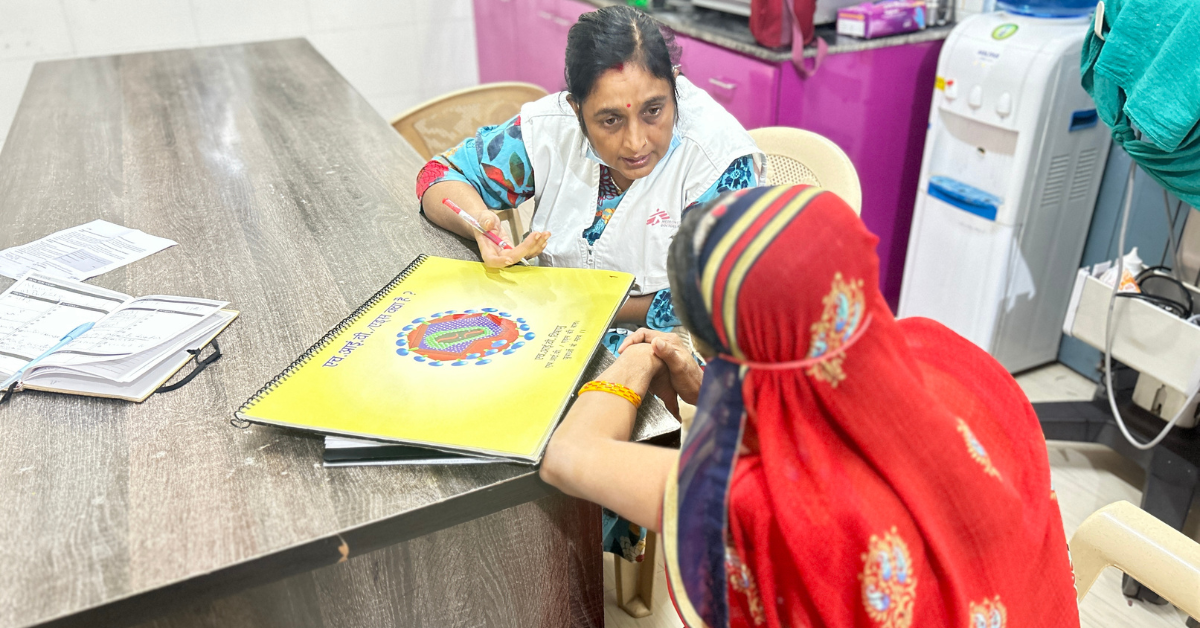
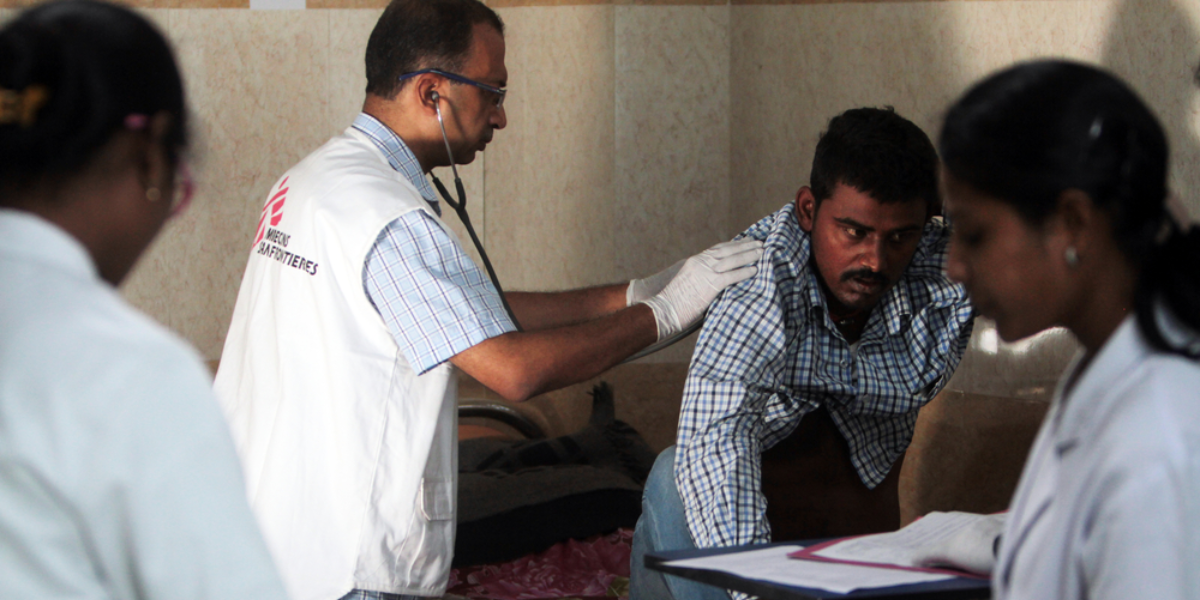
A mother’s story: Finding care for her daughter

“I wish someone had told me about HIV testing from the very beginning, so that my Savita* wouldn’t have ended up in your hospital in such a critical condition. No other child should have to go through the pain she is suffering right now, and no parent should have to watch their child go through … Read more

India: Addressing Healthcare Challenges for people living with HIV in Patna

Bihar, India– Since 2019, Médecins Sans Frontières (MSF) has been actively working in Bihar to provide crucial support to individuals living with advanced HIV at Guru Gobind Singh Hospital in Patna. This vulnerable population confronts numerous critical challenges, including: Limited access to essential medications Parent-to-child transmission Difficulties in accessing tertiary healthcare Discrimination in healthcare settings … Read more

Bihar: Meeting medical care needs of people with advanced HIV

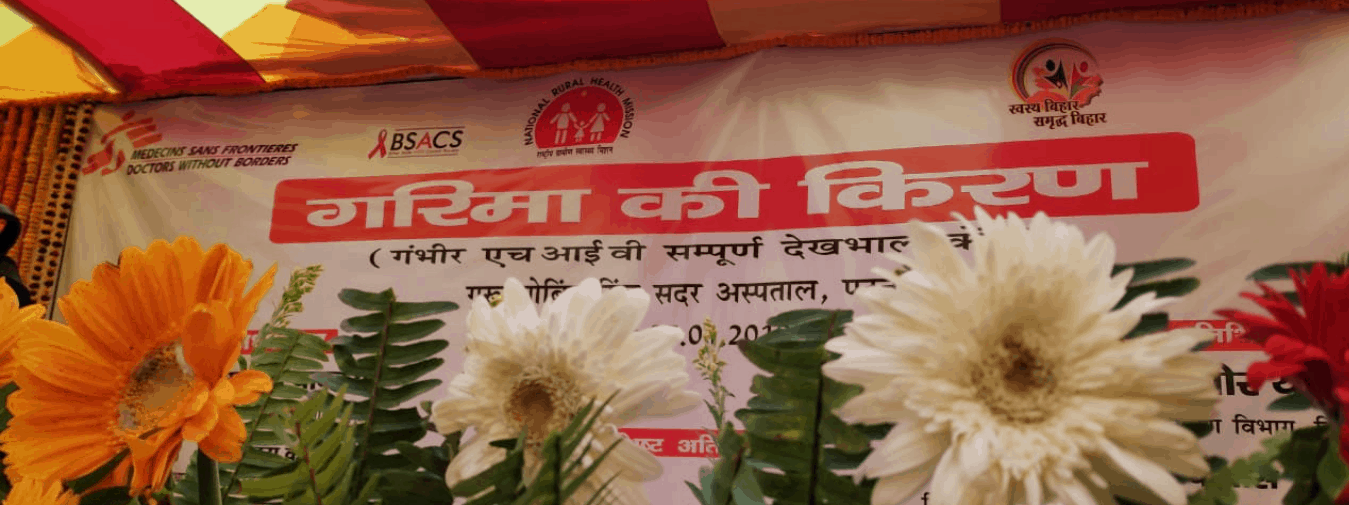
On 25 January 2019, MSF inaugurated Garima Ki Kiran clinic in Bihar with a purpose to reduce the number of deaths among patients with advanced HIV by increasing their access to care for life-threatening infections. On the completion of clinic’s first year, we bring you stories of how patients fight this deadly infection together with … Read more

Bihar: MSF to provide comprehensive care for people living with advanced HIV

Patna, Bihar: On 25th January, international medical humanitarian organisation Doctors Without Borders/Médecins Sans Frontières (MSF), together with state authorities in Bihar, inaugurated a specialised ward at the Guru Gobind Singh Hospital (GGSH) in Patna, Bihar, northeast of India. The main purpose of the programme is to reduce the number of deaths among patients with advanced HIV … Read more

Video: Explaining kala azar-HIV coinfection

Kala azar or visceral leishmaniasis a neglected tropical disease and the second-largest parasitic killer in the world. India accounts for over 30% of the total kala azar cases in the world. 80% of these cases occur in Bihar. Since 2007, MSF is providing treatment for kala azar in Bihar. While there has been a sharp … Read more

Bihar: On the frontline of treating kala azar-HIV co-infection

Kala azar is one of the most dangerous neglected tropical diseases in the world. It is spread to humans by bites from infected female sand flies and attacks the immune system. While cases of the disease are declining steadily, kala azar-HIV co-infection is fast becoming a serious threat. After treating over 12,000 kala azar patients … Read more

Bihar: "I try to bring hope to patients living with kala azar-HIV co-infection"

Name : Designation : Interview conducted and written by Kavitha Devadas for MSF Kala azar is one of the most dangerous neglected tropical diseases in the world. It is spread to humans by bites from infected female sand flies and attacks the immune system. While cases of the disease are declining steadily, kala azar-HIV co-infection … Read more

Zoya’s story: "I have returned from the brink of death"

Name : Designation : Interview conducted and written by Kavitha Devadas for MSF As well as suffering a lack of awareness and social stigma, kala azar-HIV co-infected patients are also prone to other infections, relapse more often and are at a greater risk of death. 39-year-old Zoya shares her story of recovery after being treated for … Read more

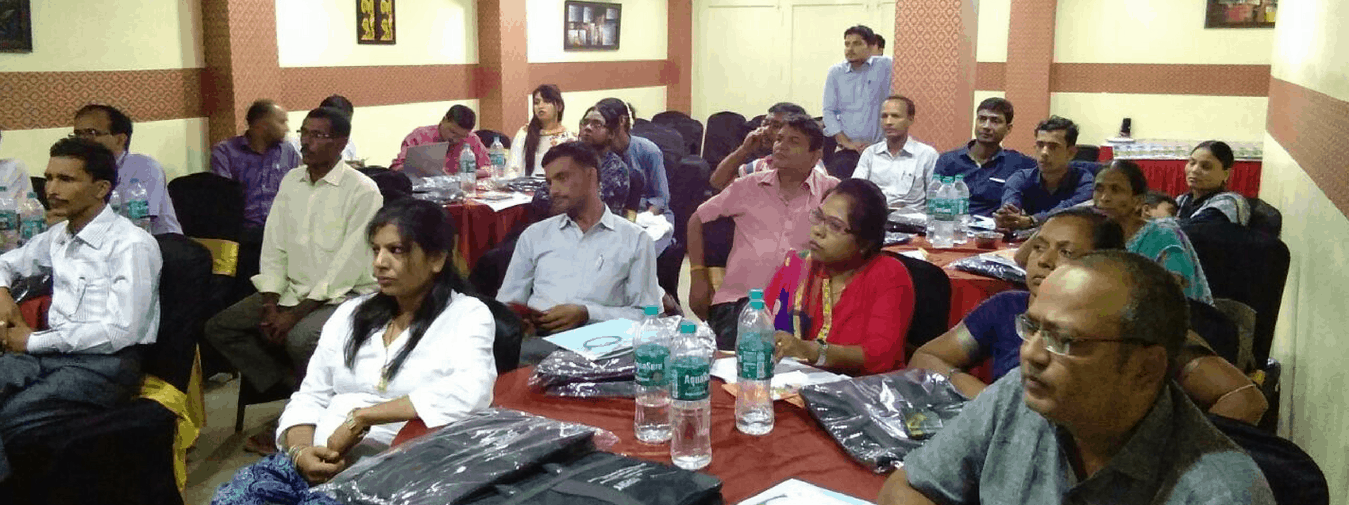
Bihar: MSF conducts orientation programme on kala azar-HIV co-infection for care coordinators, ART counsellors and PLHIV+ group members

Kala azar Elimination is not possible without addressing the emerging issue of kala azar-HIV coinfection. As a disease that affects the most vulnerable and poorest in society, the deep-rooted stigma and the inadequate state of health facilities make this coinfection an urgent public health concern. The international medical humanitarian organization Doctors Without Borders / Médecins … Read more