Brazil: Those who can witness the crisis can voice it| COP30
At COP 30, MSF calls for concrete actions to address the health impacts of climate change on populations in situations of vulnerability The impact of the climate crisis is felt most acutely by populations in situations of vulnerability, whose voices should be heard during the upcoming UN conference in Brazil While the health impacts of … Read more
MSF and the Lancet Countdown joint brief 2024

Every climate action counts: The ripple effect of each failure on health systems in humanitarian settings Médecins Sans Frontières / Doctors Without Borders (MSF) works with vulnerable and marginalised communities who are disproportionately affected by climate change despite being the least responsible for the emissions that are generating the climate crisis. In response, our teams … Read more

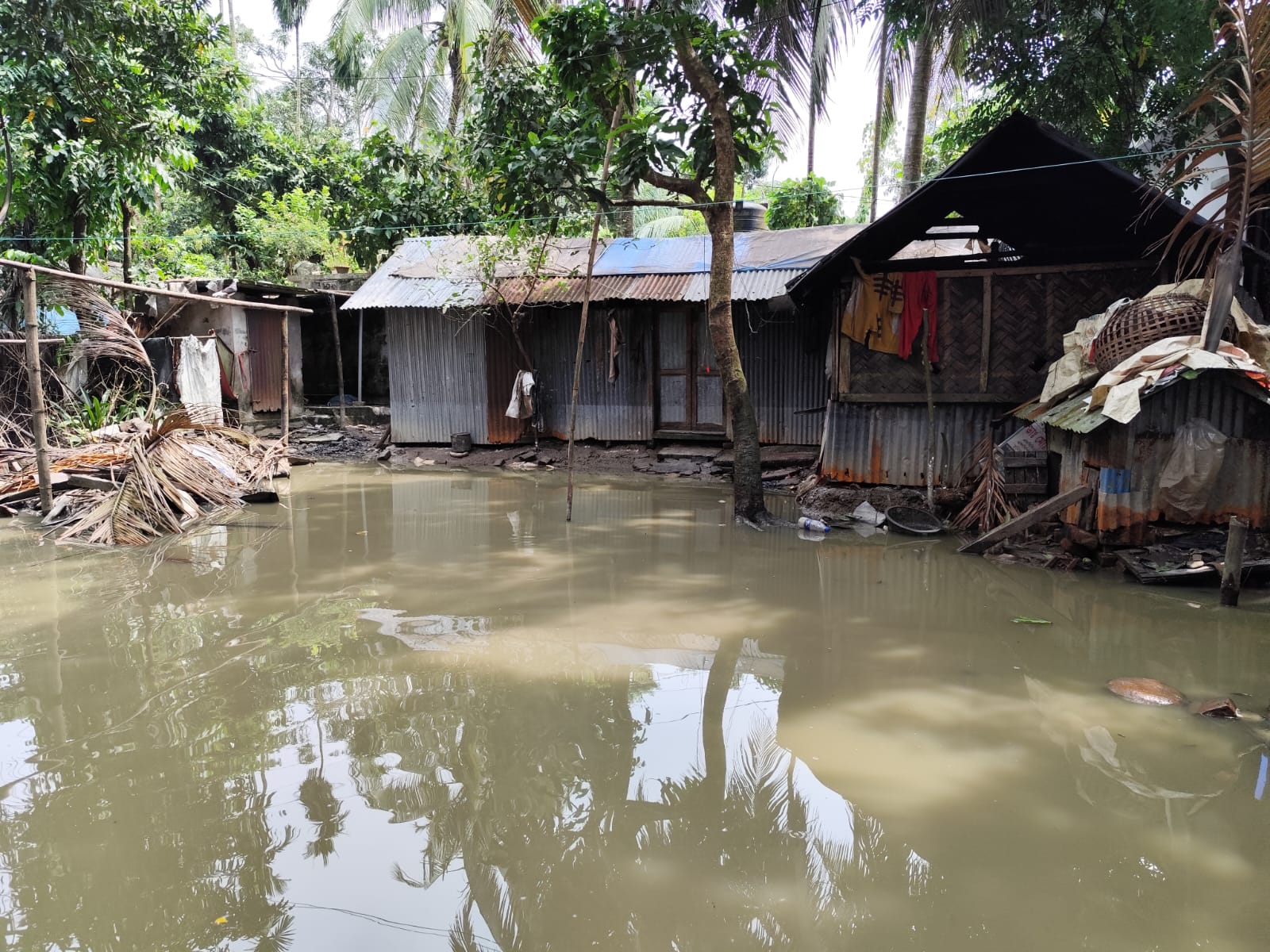
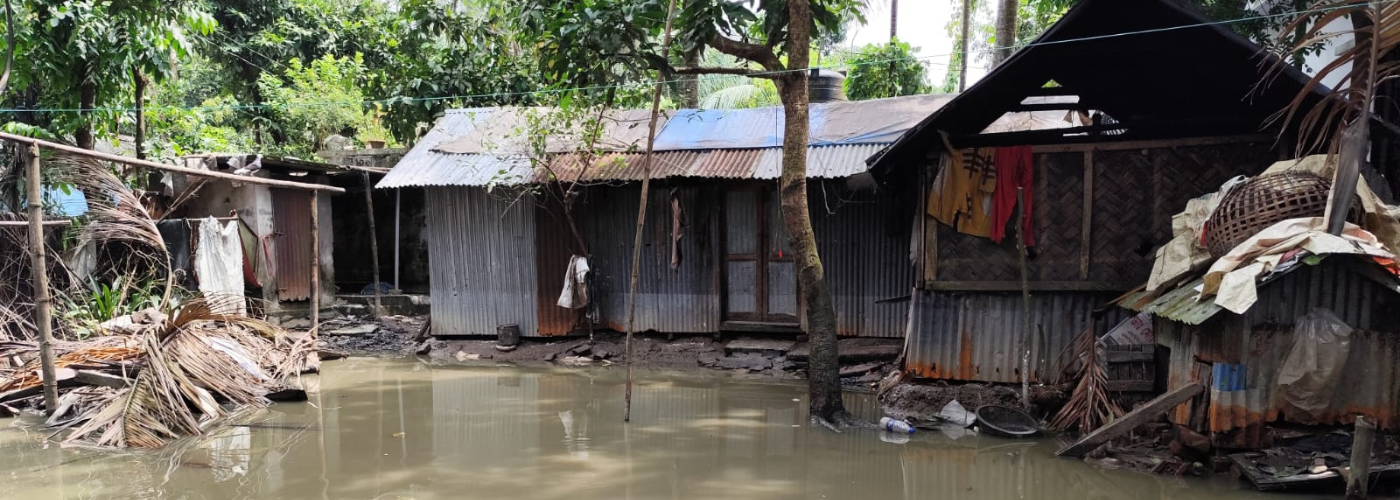
Bangladesh: MSF concludes emergency response supporting over 1,900 flood-affected patients in Noakhali

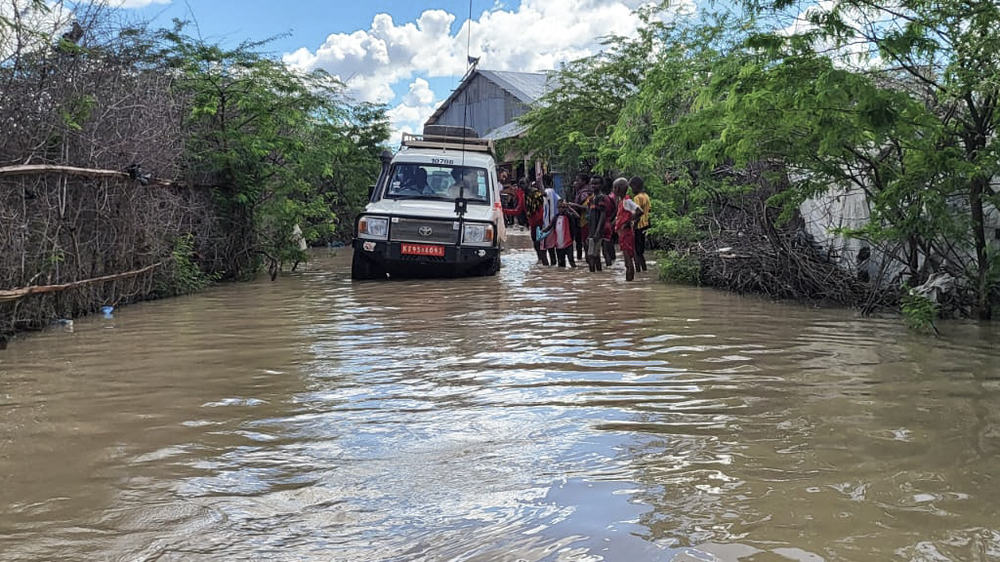
Following weeks of emergency response in Noakhali, Médecins Sans Frontières/Doctors Without Borders (MSF) has handed over its a month-long intervention to the Bangladesh Ministry of Health. MSF launched the emergency project on 5 September 2024 in response to the catastrophic flooding that displaced hundreds of thousands of people, disrupting essential services and posing severe health … Read more

A hostile climate: New report reveals how MSF humanitarian workers and communities are beginning to adapt to the challenges of climate change

Climate change is having devastating consequences for human health. A new report from MSF’s Humanitarian Action for Climate and Environment (HACE) Initiative and Heidelberg University Institute of Global Health describes how MSF humanitarian workers, patients and communities are experiencing and responding to a rapidly changing environment. Drawing on interviews with 49 humanitarian staff in 30 … Read more

MSF OCB roadmap to reduce its carbon emissions by 50% by 2030

MSF Operational Center of Brussels (OCB), one of the six MSF headquarters that deploy and manage humanitarian operations worldwide, has published a roadmap to reduce its carbon emissions by 50% by 2030 and lower its environmental footprint. OCB environmental roadmap outlines tangible solutions to reduce the negative environmental impact of its operations whilst maintaining and … Read more

Brazil: MSF teams aim at supporting most vulnerable in response to Brazil’s biggest climate disaster to date

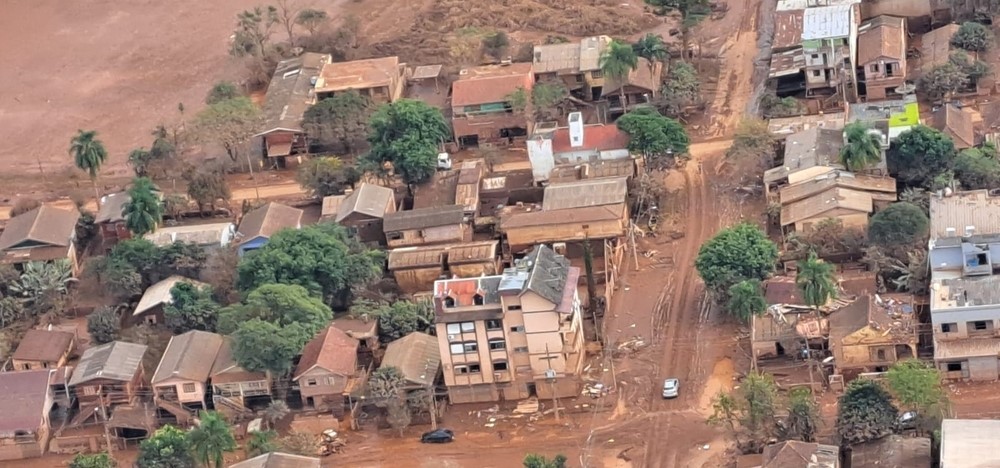
Professionals face logistic challenges in order to reach population affected by severe floods in the state of Rio Grande do Sul. The situation is catastrophic. When we arrived and traveled through the region by helicopter, we were able to view the towns from above and noticed that in some cases we couldn’t even see the … Read more

At COP28, more failure is not an option for vulnerable communities

Geneva, 23 November 2023 – Too little is being done to protect the most vulnerable people against the negative impacts of climate change, warns international medical organisation Médecins Sans Frontières (MSF). World leaders gathering in Dubai for COP28 must take urgent measures to protect the health of the most affected communities. The world’s most vulnerable … Read more

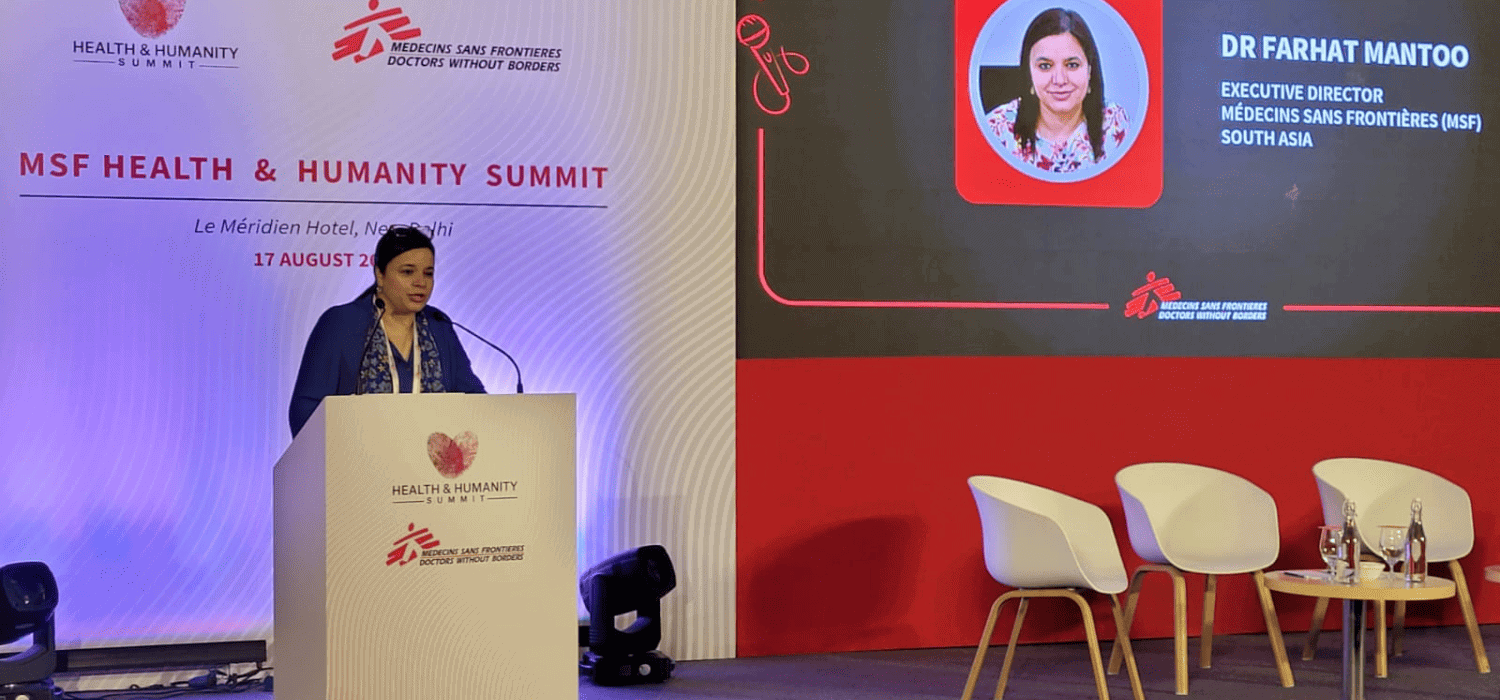
MSF South Asia Health and Humanity Summit: Partnering to build better responses during emergencies

17 August 2023, New Delhi: Setting the agenda for a paradigm shift in health and humanitarian considerations during emergencies, especially in South and Southeast Asia, over 15 practitioners, thought leaders, artists, and over 300 attendees from the social impact space convened to engage in discussions and display works of art at MSF South Asia’s inaugural … Read more

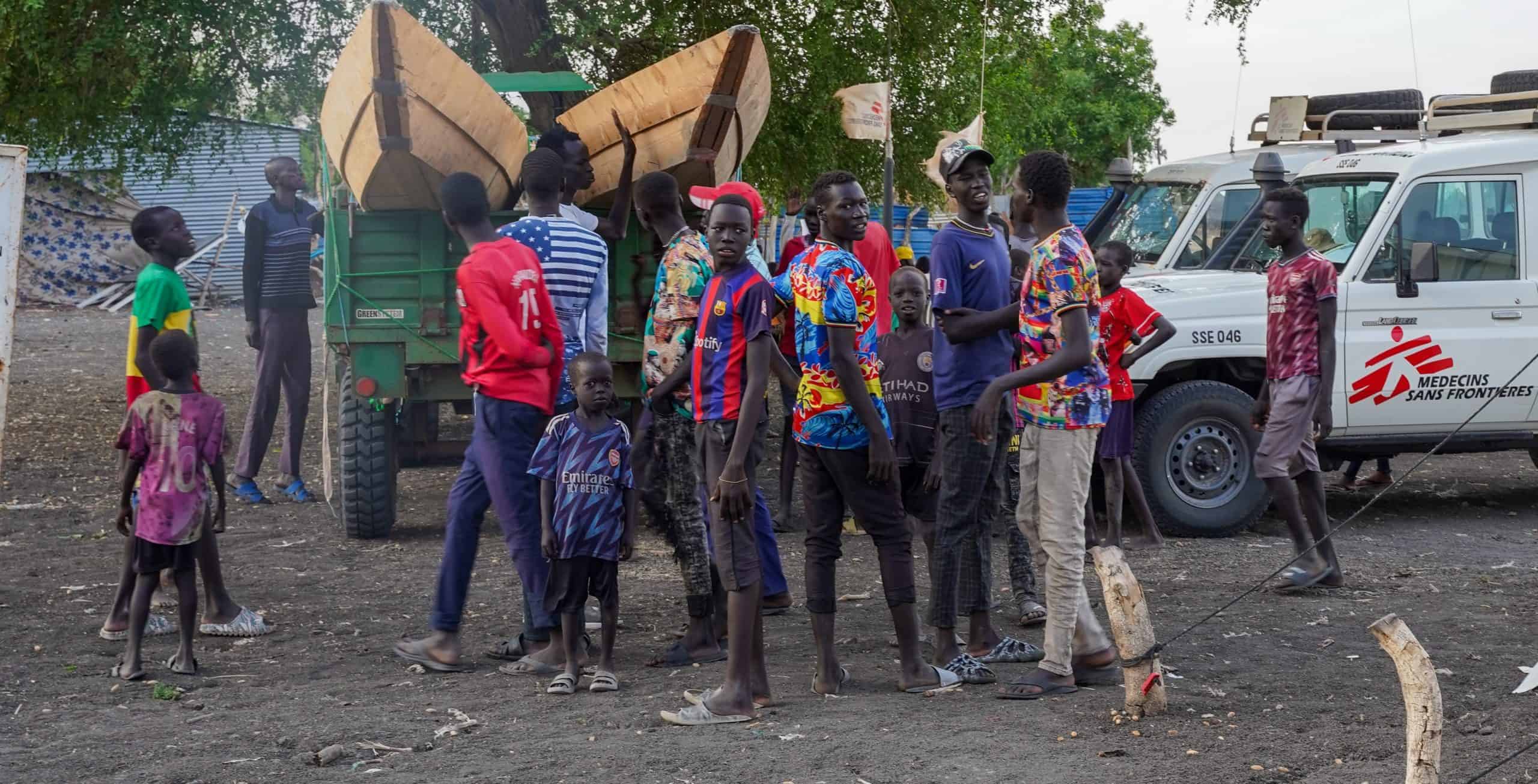
South Sudan: Communities prepare for renewed flooding ahead of rainy season

In a parched landscape, an MSF tractor roars as it approaches a small village in Dentiuk, in South Sudan’s Upper Nile state. It is towing a trailer to which a creaking wooden canoe is strapped. “Are you sure we are in the right place?” asks the driver.  It might not look like it, but when … Read more

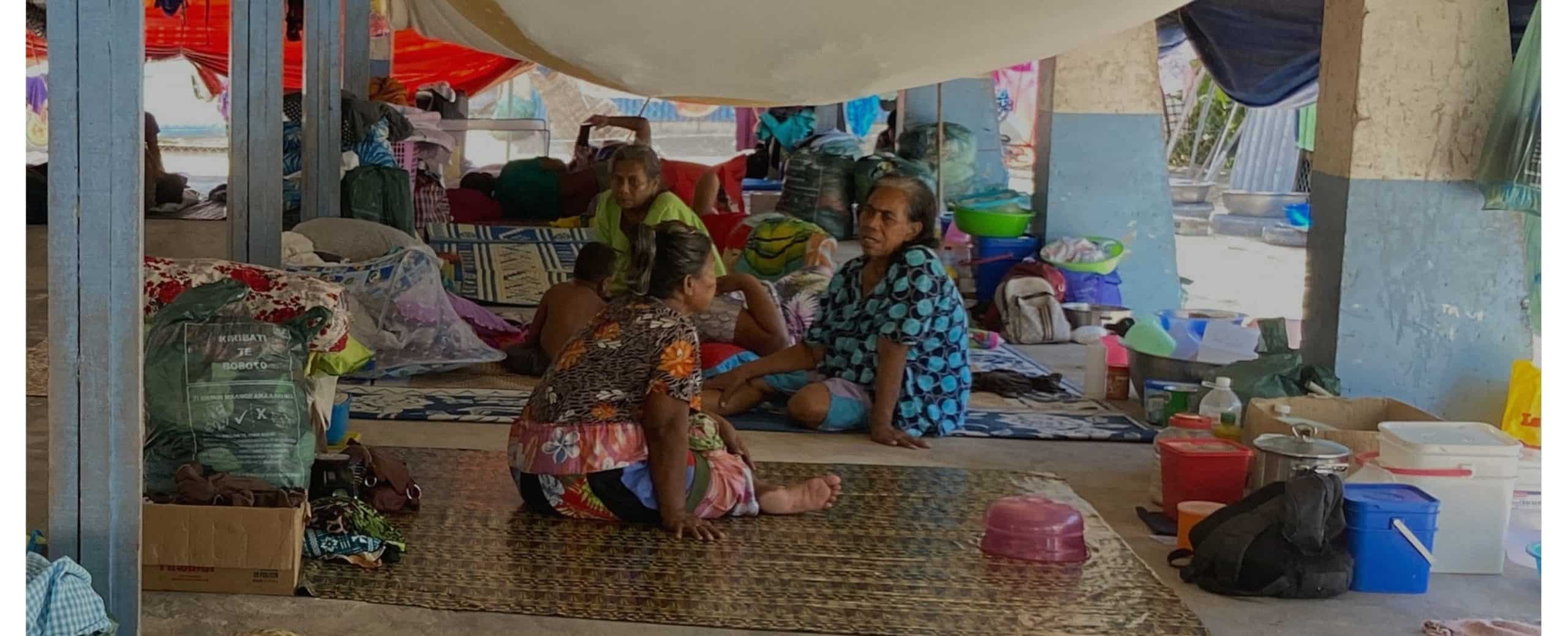
Kiribati: The remote island nation facing a triple threat to health

Kiribati is one of the most remote and geographically dispersed countries in the world. It is also one of the most vulnerable countries to the impacts of the climate crisis. The country faces has described as a triple threat to health: communicable diseases, non-communicable diseases (NCDs), and the health impacts of climate change. Climate and … Read more