Drug-resistant tuberculosis in Afghanistan: We must continue to put people at the center of treatment
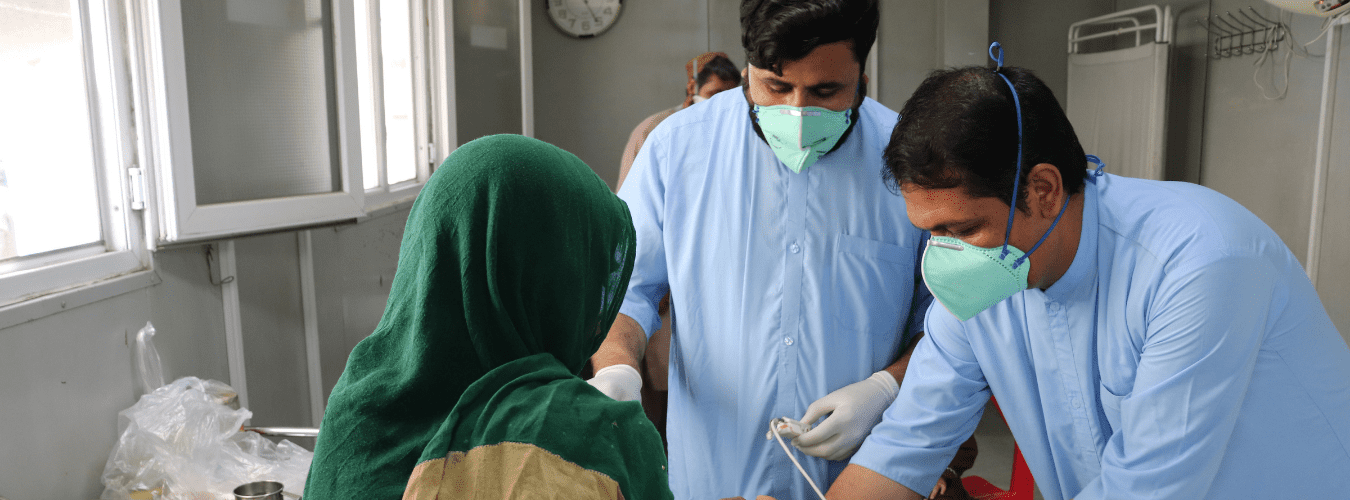
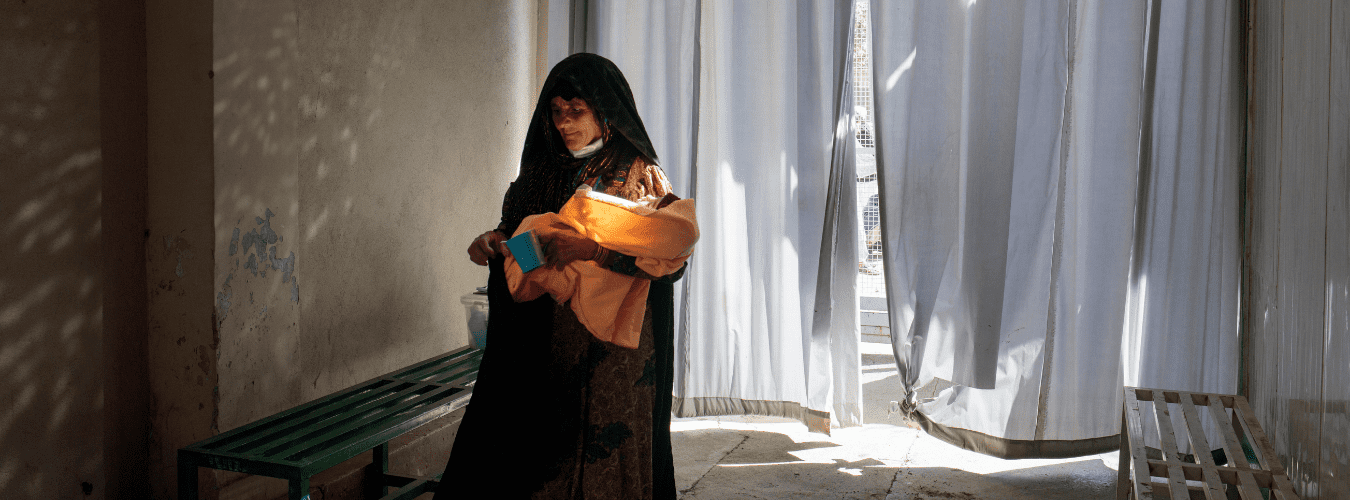
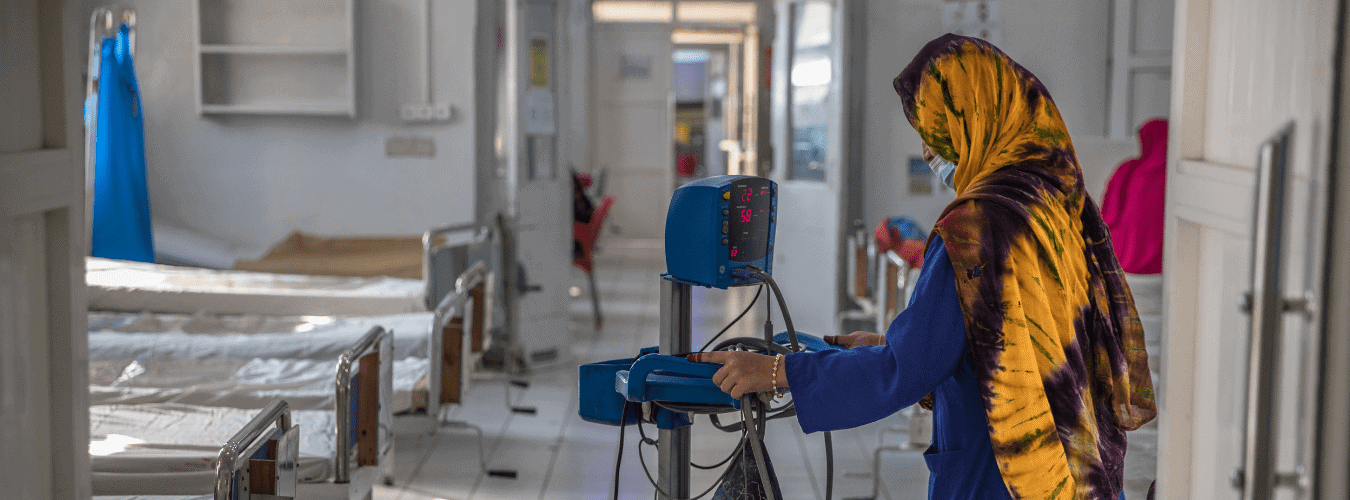
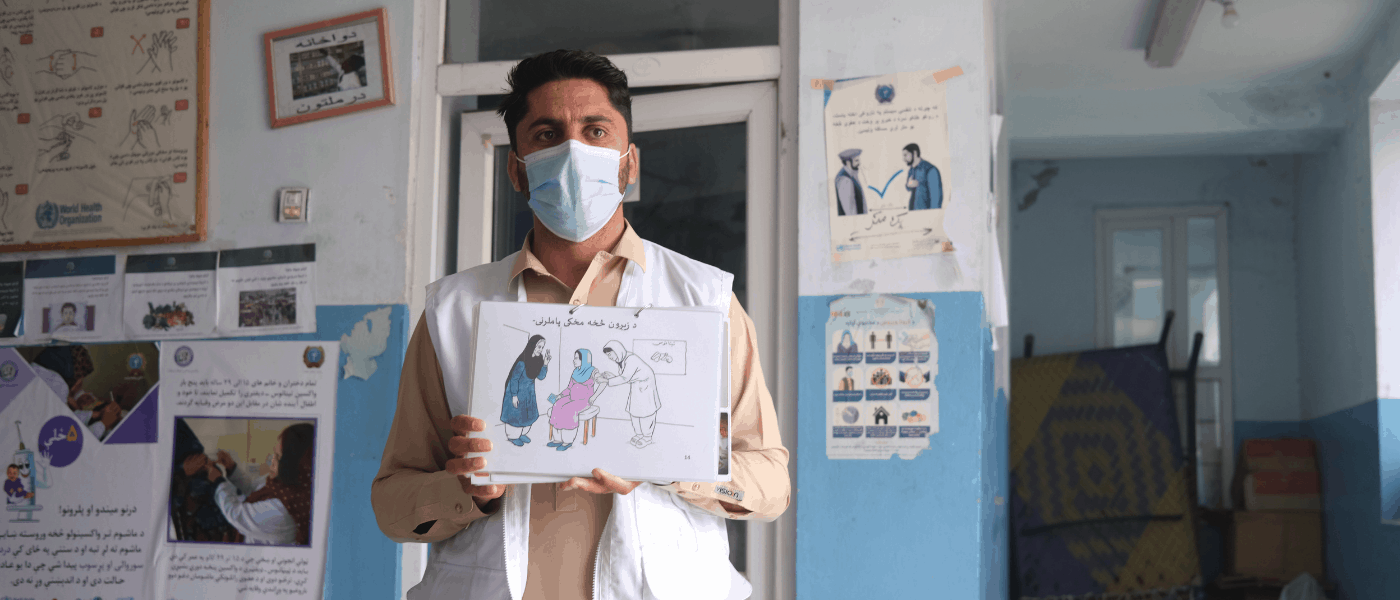
In recent years, Doctors Without Borders/Médecins Sans Frontières (MSF) has been able to improve patients’ experiences of care for drug-resistant tuberculosis (DR-TB), but the changing political situation threatens to derail this progress, writes Anita Mesic, MSF tuberculosis (TB), HIV, and hepatitis adviser. This article was originally published in The BMJ. On my last visit to MSF’s TB hospital in … Read more
New Year babies: The first MSF newborns of 2022

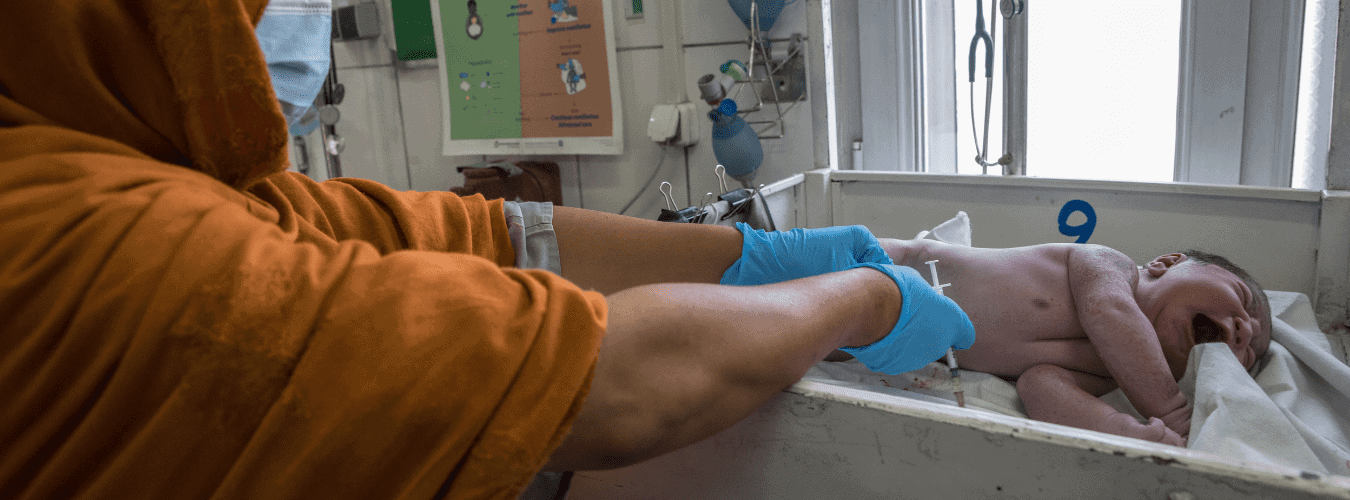
There is always a reason to find hope. For a second uncertain year in a row, many countries have faced the impact of the COVID-19 pandemic, while, at the same time, conflict, disaster and obstacles to accessing care have hit people hard around the world. But, in the middle of countless humanitarian crises, hopeful mothers … Read more

Inside Afghanistan’s child malnutrition crisis

Dr Mohammed* works for Doctors Without Borders/Médecins Sans Frontières (MSF) at Boost Hospital in Lashkar Gah, Afghanistan, where 400 severely malnourished children under five years of age are treated every month. Many of them are also suffering from worrying complications such as pneumonia, diarrhoea, or gastrointestinal problems. In the intensive therapeutic feeding centre, MSF teams focus on treating … Read more

A hospital of women, for women: Preserving maternity care in Khost, Afghanistan

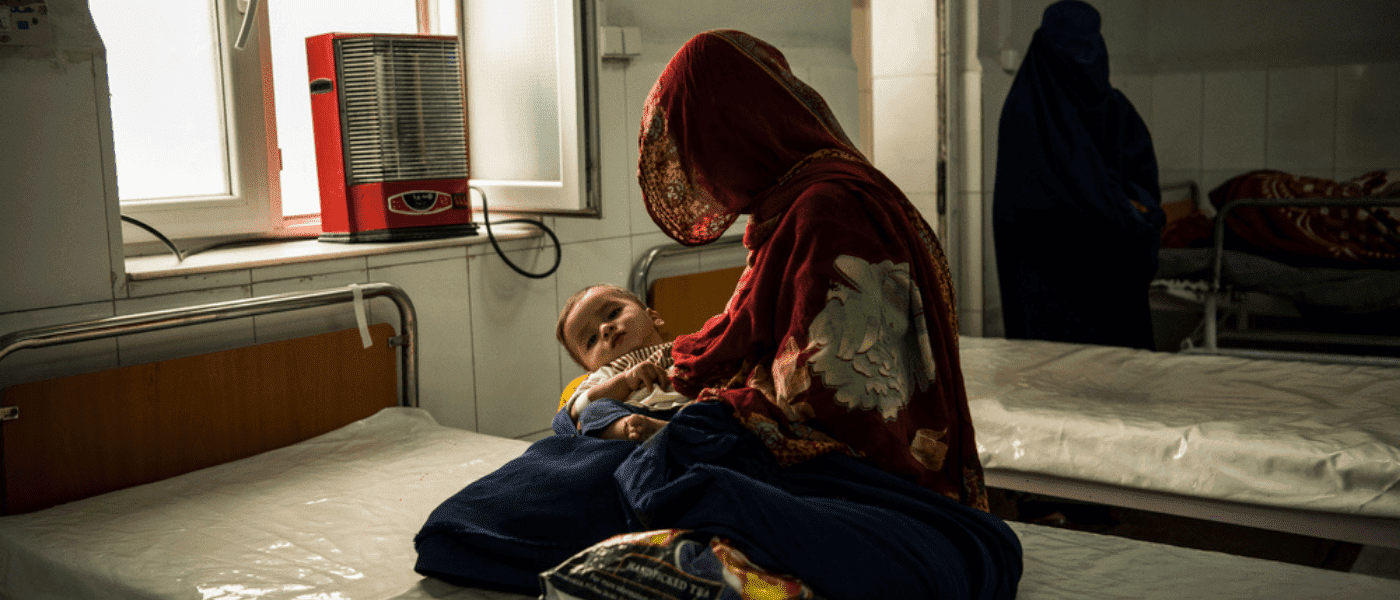
Babies continue to be born in Afghanistan, against the backdrop of political upheaval and its consequences on healthcare and the economy. In MSF’s Khost maternity hospital, women remain at the fore, providing much-needed care to new mothers and their babies. We first opened this specialised maternity hospital in 2012, to provide safe and free maternal … Read more

The roar, the fear, the bunker: My time at a frontline hospital in Afghanistan

Nurse Gianna Falchetto returns from Lashkar Gah, where her team worked under extreme pressure to keep a hospital running… In the city of Lashkar Gah, Afghanistan, Doctors Without Borders/Médecins Sans Frontières (MSF) supports Boost Hospital. It’s one of the largest public health facilities in the region, with a total of 300 beds available and staffed … Read more

Overcoming obstacles: Treating trauma in Kunduz, Afghanistan

Fighting in the city of Kunduz in north-eastern Afghanistan ended on 8 August. During the clashes, we transformed our office space into a temporary trauma unit to treat the people wounded. That unit is now closed and on 16 August all patients were transferred to the nearly-finished Kunduz Trauma Centre that our teams have been building since … Read more

Afghanistan: Medical needs grow as international organisations suspend activities

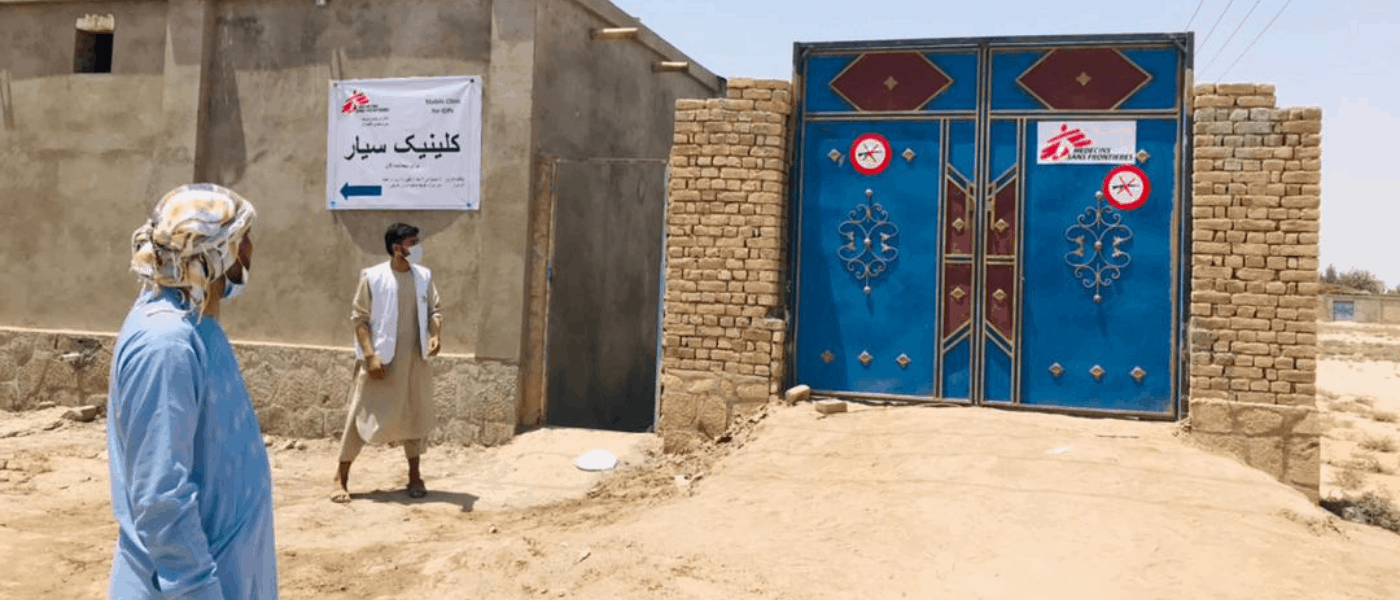
After months of fighting on the outskirts of Herat in Afghanistan, the Islamic Emirate of Afghanistan, also known as the Taliban, took control of the city on August 12. We are running an inpatient therapeutic feeding centre (IFTC), a clinic for displaced people, and a COVID-19 treatment centre in Herat. An Afghan MSF medic working in the city … Read more

Afghanistan: Amid uncertainty, hospitals are still full in the country

After the rapid transfer of power in Afghanistan there has been a big shift in the health context. Doctors Without Borders/Médecins Sans Frontières (MSF) continues to run medical activities in five provinces. Below two medical staff working in Lashkar Gah and Khost provinces describe the recent changes they have witnessed, and how they affect both patients and … Read more

Afghanistan: Medical needs urgent as ever in Afghanistan after Taliban takeover

Last week, after weeks of intense fighting, the Islamic Emirate of Afghanistan (IEA, also known as the Taliban) entered the city of Kabul as the government collapsed. The IEA declared war over and assumed control over the country. While many people and organisations have fled Afghanistan, our teams are staying put, providing essential medical care to … Read more

As violence soars across Afghanistan access to healthcare is dangerously limited

The violence in Afghanistan has surged since May with fighting around and inside provincial capitals between the Afghan forces and the Islamic Emirate of Afghanistan (IEA, also known as the Taliban). This is impeding access to medical care, increasing the number of people killed and wounded by bullets and explosions, and causing widespread displacement. In three areas … Read more