 Overview
About the MSF Media Fellowship 2016
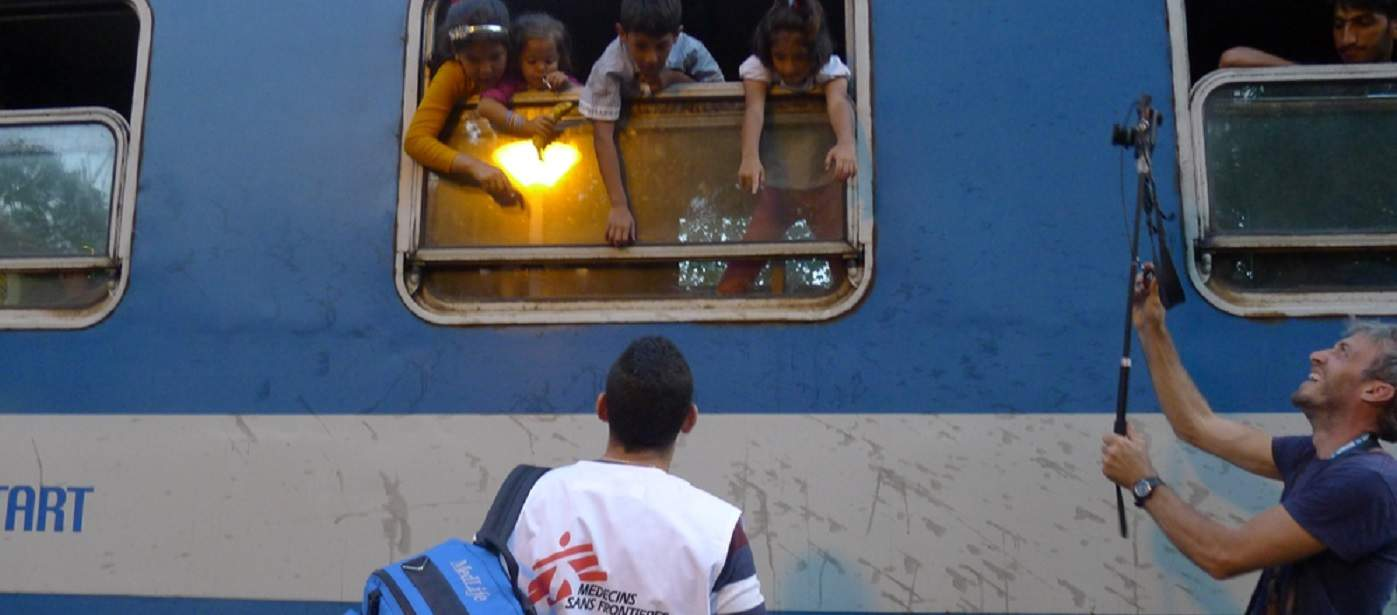
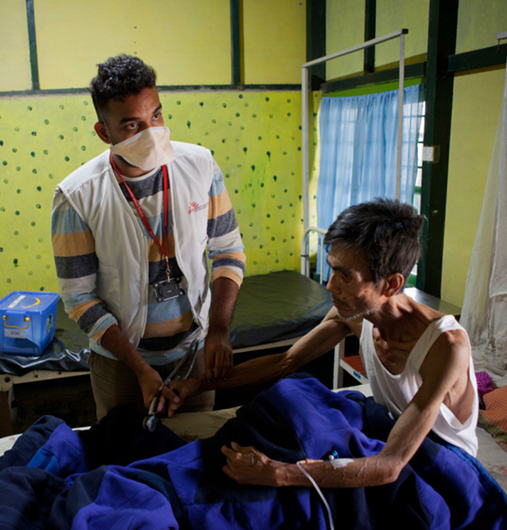
The MSF Media Fellowship, hosted by Médecins Sans Frontières (MSF) South Asia, aimed to build stronger connections between MSF’s humanitarian work and journalists, facilitating responsible, insightful reporting on issues affecting health and vulnerable populations. In 2019-20, the fellowship specifically focused on Sexual and Gender-Based Violence (SGBV), a public health and humanitarian concern that often lacks adequate, sensitive media coverage.
The fellowship provided journalists with funding, reporting support, and access to MSF fieldwork and insights to improve public understanding of SGBV, its health implications, and the barriers survivors face.
 Applicant profile
Who is this programme designed for?
Eligibility
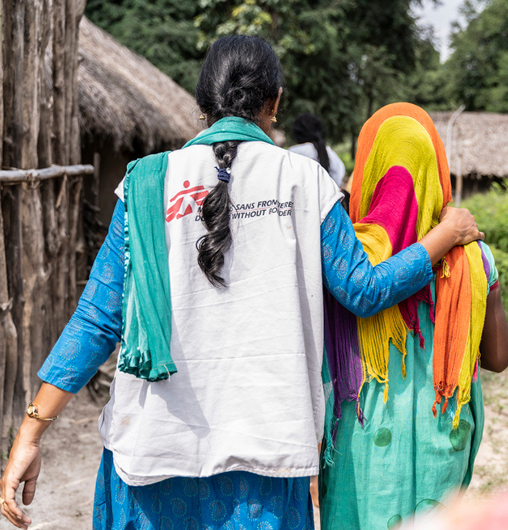
This fellowship was open to professional journalists, including freelancers, photojournalists, and multimedia journalists, working in print, broadcast, television, or digital media within India. Applicants were expected to have a minimum of four years’ professional experience, with prior reporting on health, development, public policy, or related issues.
Priority Considerations
The fellowship sought journalists capable of producing reporting that:
- Raised awareness about sexual and gender-based violence as a health and humanitarian issue, not just a legal or criminal one.
- Considered ethical reporting practices that protect survivors and communities.
- Helped reshape media narratives to support understanding, compassionate care, and policy engagement.


General Grant (applicants can choose from a range of themes)

MSF-DNDi (Drugs for Neglected Diseases initiative) Grant on Neglected
tropical diseases (NTDs) and Gender Responsive R&D (ONLY OPEN TO
APPLICANTS FROM INDIA, NEPAL, BANGLADESH AND SRI LANKA)
tropical diseases (NTDs) and Gender Responsive R&D (ONLY OPEN TO
APPLICANTS FROM INDIA, NEPAL, BANGLADESH AND SRI LANKA)

MSF-GARDP (The Global Antibiotic Research & Development Partnership)
Grant on Antimicrobial Resistance (AMR) (Open to Applicants from
Afghanistan, Bangladesh, Sri Lanka, India, Pakistan, and Nepal.)
Grant on Antimicrobial Resistance (AMR) (Open to Applicants from
Afghanistan, Bangladesh, Sri Lanka, India, Pakistan, and Nepal.)

Dr Kajal panwar
This is test mentor Dr kajal panwar
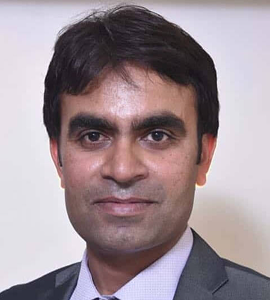
Dr Chandrakant Lahariya
Dr Chandrakant Lahariya is one of India’s leading doctors, infectious diseases and preventive medicine specialist. He is also an expert in child health and vaccines. He has worked for the World Health Organisation for over 14 years at all three levels – country office in India, regional office in Brazzaville, Africa and Headquarters in Geneva, Switzerland. He has received several prestigious awards including Indian Council of Medical Research’s ‘Dr BC Shrivastava Foundation Award’ in 2012. In 2020 and 2021, he was listed among the top 2% global researchers in the field of Pediatrics and Public Health by a Stanford University research. He is the Founding Director of Foundation for People-centric Health Systems, which is a not for profit organization in Delhi (India) which works towards reducing the burden of diseases and preventable mortalities. He is also the lead author of the bestselling book ‘Till We Win: India’s Fight Against The COVID-19 Pandemic.
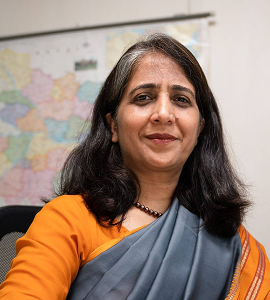
Dr Kavita Singh
Dr Kavita Singh is the Director of South Asia for the Drugs for Neglected Diseases initiative (DNDi). Her distinguished career spans clinical research, public health, and the advancement of innovative delivery methods. Dr. Singh has extensive experience working with the pharmaceutical industry, government, and non-profit organizations. She previously served as the Mission Director for the National Biopharma Mission at the Biotechnology Industry Research Assistance Council (BIRAC). Prior to this role, she was the Program Director for the Multi Vaccines Development Program, a non-profit scientific research society established by the Department of Biotechnology. Dr. Singh’s career also includes positions such as Director of Business Development at Fortis Clinical Research Limited, Group Leader of Medical Affairs & Clinical Research at Ranbaxy Laboratories, and Head of Medical Affairs at Shantha Biotechnics Private Limited, Hyderabad (now Sanofi Healthcare India Pvt. Ltd.) A trained physician, Dr. Singh holds an MD in Microbiology and a Postgraduate Diploma in Epidemiology. She is a life member of the Indian Association of Medical Microbiologists and the Indian Society of Clinical Research.
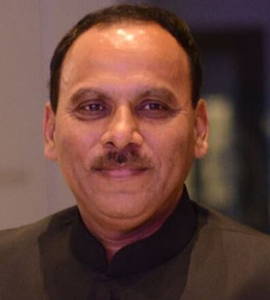
Dr Rajni Kant
Dr Rajni Kant is a renowned public health expert with over four decades of experience, specializing in vector-borne diseases, particularly malaria and Japanese encephalitis (JE)/Acute Encephalitis Syndrome (AES) in Gorakhpur. As the former Director of the Indian Council of Medical Research (ICMR)-Regional Medical Research Centre (RMRC) and Scientist G and Head of Policy & Communications at ICMR Headquarters, his work has significantly advanced research management, health communication, and policy development. He has led critical initiatives such as TB prevalence surveys, COVID sero-surveys, and the Mission SHAKTTI program. Dr. Kant’s efforts extend beyond academia into social media literacy, community engagement, and historical health documentation. Recognized with numerous awards, his impactful contributions to health policy, research, and community well-being continue to inspire and shape public health.
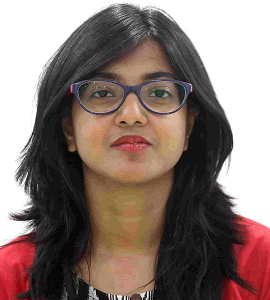
Ritwika Mitra
Ritwika Mitra is an independent journalist and alumni of the MSF South Asia Without Borders Media Fellowship – 2022. Her work has appeared in The Fuller Project, Fifty Two, Global Health Now, Missing Perspectives, The Geographical, Open Democracy, The Wire, Article14 and Scroll. She has reported on the climate crisis, gender, caste, poverty, custodial deaths from across India. Previously, she has worked with The Indian Express, Deccan Herald, and The New Indian Express. She is the recipient of the Lorenzo Natali media prize and PII-ICRC award, and multiple grants and fellowships. In 2016, she was awarded the Chevening Scholarship to pursue a master’s degree in International Relations (gender) at University of Birmingham.
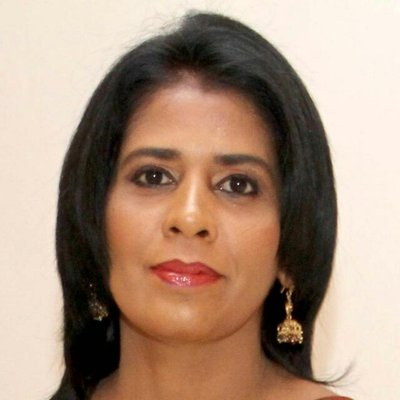
Dilrukshi Handunetti
Dilrukshi Handunnetti is an international award-winning investigative journalist, senior editor, trainer, researcher, and a rights advocate. She co-founded the Colombo-based Center for Investigative Reporting (CIR) and is presently employed as Mongabay’s Sri Lanka editor. She led the investigations desk at The Sunday Leader, and later held top editorial positions including Consultant Editor at the Weekend Express and Senior Associate Editor of the Sunday Observer. The recipient of over 15 local and international awards for her excellence in investigative reporting, covering the environment and column writing, Handunnetti has bagged the most prestigious journalism awards at home including the award for Reporting Under Special Circumstances in 2012. In June 2022, Dilrukshi won the prestigious Journalist of Courage and Impact Award presented by the Hawaii-based East West Center, and in November 2022, secured the coveted Vital Voices Fellowship offered exclusively to outstanding women leaders worldwide. Her work has appeared in the UK Guardian, Al Jazeera, The New Humanitarian, Himal Southasian, The New York Times and more. Currently, she is a columnist with the New Indian Express.
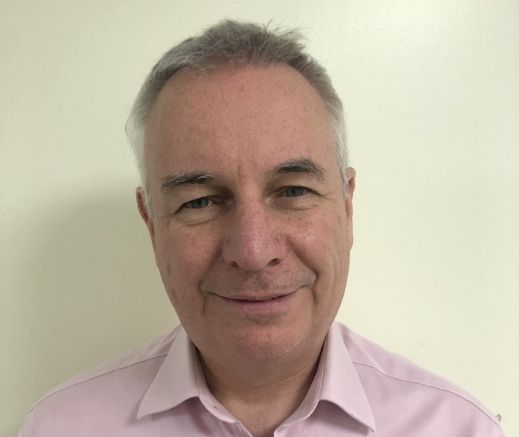
Dr Kajal Chauhan
This is test fellow description
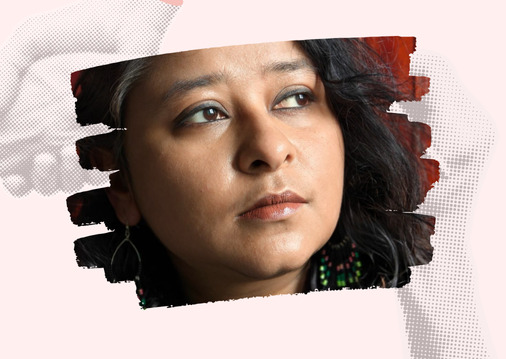
Aatreyee Dhar
Aatreyee Dhar is an independent journalist reporting on health, plantation economics/ politics, gender and environment especially from northeast India.
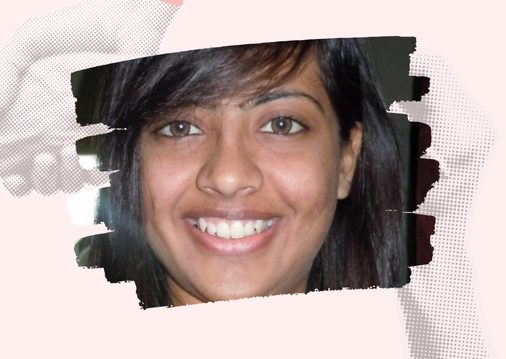
Cheena Kapoor
Cheena Kapoor is a Delhi-based independent journalist and photographer. She writes on climate change, public health, gender, and socio-economic issues. She has been a recipient of the Thomson Reuters Foundation Grants (2020 and 2024), Climate Change News Grant, ICIMOD and GRID Arendal Grant, and COP29 and COP30 fellowships by the Earth Journalism Network. Her work has been published by Devex, Fuller Project, Dialogue Earth, The Guardian, Johns Hopkins, and the British Medical Journal, among many others. Her long-term photo project “Forgotten Daughters” about abandoned women in Indian mental asylums has been widely published and exhibited across Europe. You can see her work here and follow her on Twitter and Instagram.
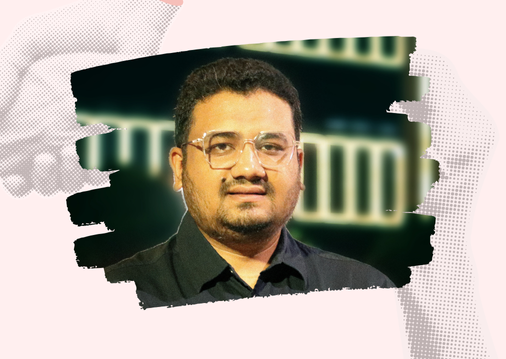
Raihan Ferdaus
Raihan Ferdaus, an experienced journalist from Bangladesh, has committed almost ten years to his work in the media field. During his working time with the BBC Media Action’s Resilience Team, he explored the societal and economic effects of climate change. Upon graduation, he chose to rekindle his passion for journalism. He became a staff correspondent at Jamuna TV, committing himself to thorough investigations into various urgent human issues. Ferdaus delves into the subject of climate change, examining its impacts on agriculture, coastal communities, and urban environments. He contends that climate change research is lacking because of inadequate data and highlights the significance of sharing personal stories instead of depending exclusively on government funding. Raihan Ferdaus’s investigative journalism in the healthcare sector in 2022 was nominated for the Foreign Press Association UK & Thomson Foundation Young Journalist Award 2023 for revealing the process of blood contamination and the public’s inability to access blood during illness. For investigative journalists under the age of thirty, this nomination is considered a major milestone. Following his coverage of the 2023 International Climate Conference (COP28UAE), was forced to tell the tale of the tremendous hardship that the ladies of Bangladesh’s coastal area bore. As a result, this project was effectively completed following intensive discussions with several research institutes, office administration, and the discovery of possible regions. The program interviewed all prospective stakeholders on the issue; however, solution journalism may not have been executed flawlessly in this case. We conducted a distinct study to ascertain whether the incidence of uterus tumor had indeed risen due to the saline water. Alternatively, are there other hygiene-related concerns? We are confident that a link exists between environmental degradation and unregulated economic development. This specific case of the health issue among coastal women, disguised as criminal finance, presents a grim perspective. Having served as a senior reporter at Jamuna Television, he has reported on a diverse array of subjects, such as health, education, climate impact, and investigative journalism. He has undergone safety and security training in investigative journalism and storytelling for low-budget film production at the National Film and Television School in the UK.

Rituparna Palit
Rituparna Palit is an independent journalist exploring how environment, health, and technology intersect and shape lives. She is a recipient of fellowships from the Earth Journalism Network and IUCN Asia, and has previously worked in the editorial teams of leading national newsrooms such as the Press Trust of India, The Hindu, and Indian Express. As a freelancer, she has contributed stories to Mongabay India, The Caravan, The Wire, Down to Earth and Behanbox, among others.
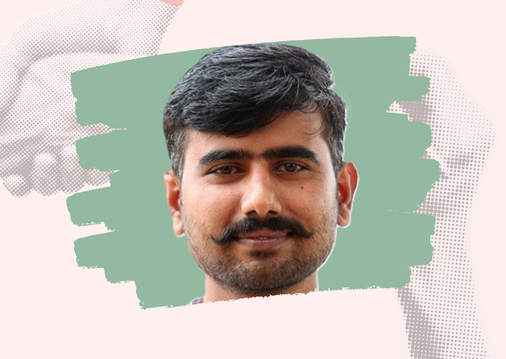
Sharvan Kumar
Sharvan Kumar is an environmental journalist and storyteller from Balotra, Rajasthan, whose work focuses on climate change, rural livelihoods, and marginalized communities. He serves as the Bureau Chief of Mooknayak, where he reports on social justice and grassroots resilience. Sharvan holds a Master’s in Culture and Media Studies from the Central University of Rajasthan and a Bachelor’s in Journalism and Mass Communication from IGNTU, Amarkantak. Over the years, he has worked with the Tribal Research and Development Institute (TRDI) in Bhopal and various rural development programs under Unnati Sansthan and Rajeevika. Selected for the Environmental Journalism Fellowship 2025 by 101 Reporters and the Earth Journalism Network, he continues to tell stories that connect people, nature, and community-driven change across Western Rajasthan.
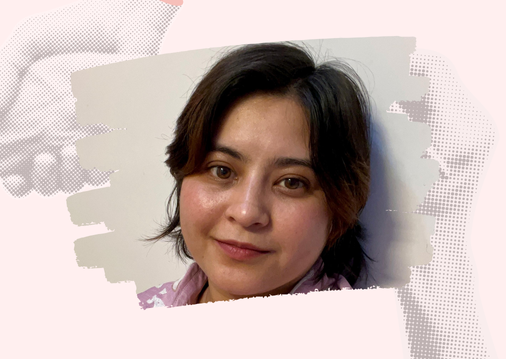
Swati Thapa
Swati is an independent journalist based in Uttarakhand, India, and has been working as a reporter since 2021. Her work involves in-depth coverage of critical topics, including health, gender, climate change, environment, and rural life in India. She has earned many fellowships and participated in training programmes with reputed organisations such as Mongabay, Thomson Reuters Foundation, The Open Notebook, and Population First, among others. These transformative experiences deepened their understanding of the pervasive challenges surrounding gender dynamics and human rights, providing them with the lens to understand the intersection of different social identities and issues. Their work has appeared in media organisations including Mongabay, Dialogue Earth, Behanbox, Feminism in India, and more. Through her work, she aims to highlight stories and experiences that, though crucial, are often overlooked or forgotten.
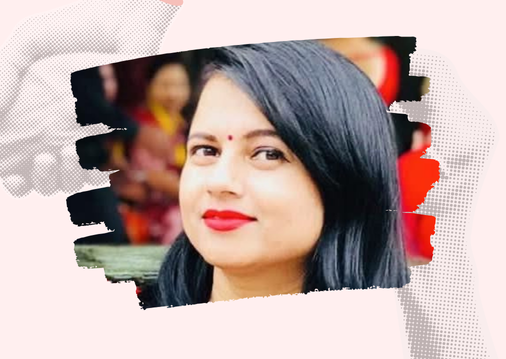
Tara Chapagain
Tara Chapagain is a Nepali journalist based in Kathmandu with more than a decade of reporting on social justice, climate, education, and gender. She was Senior Correspondent at Annapurna Post Daily and has worked across most major Nepali media outlets such as Gorkhapatra, Fewa Television, and Sabaiko Aawaj. Chapagain has deep regional insight with her coverage of stories of remote to urban Nepal. She is a Master’s degree holder in Journalism and Mass Communications from Purbanchal University, Nepal. She has got various fellowships and trainings on climate change, investigative journalism, and good governance. Her reportings are commended with abundant honors, including the Labour Employment Journalism Award (2023), Press Council Nepal Women Empowerment Award (2023), and Education Journalism Award (2022). She speaks Nepali, English, and Hindi. She is renowned for ability to report from relegated groups with compassion, complexity, morals, and straightforwardness.
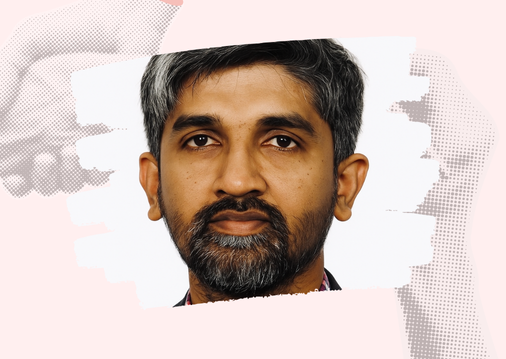
Md. Zahid Hossain
Md. Zahid Hossain Khan is an experienced journalist, political analyst and researcher working in the complex areas of governance, policy analysis and social justice in Bangladesh. A significant portion of his professional career has been spent as a researcher at Jamuna Television. In this role, he has helped produce in-depth research and analytical reports on complex issues such as local governance, policy vulnerabilities, public health and climate justice. This experience has made him an expert journalist in assessing policy challenges.
Md. Khan is also as a Professional Fellow at the US State Department, which has elevated his expertise in international communications, democracy and public policy to a global standard. Through this fellowship, he has gained a unique and strategic position in understanding international governance structures and the practical impact of global policies. His combined experience has provided him with a strong foundation from which he is poised to contribute to the goal of establishing effective and democratic governance. He is currently pursuing an MPhil research degree in the Department of Communication and Issues, University of Dhaka, where his research focuses on the interrelationship between media and social development.