Philippines: MSF reaching remote areas still in need of aid
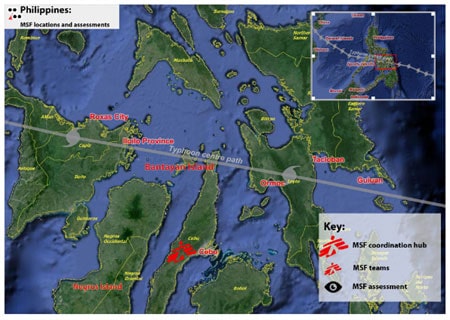
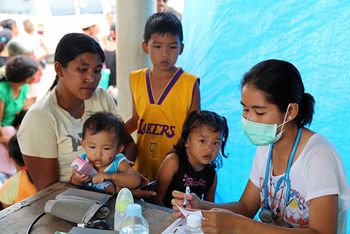
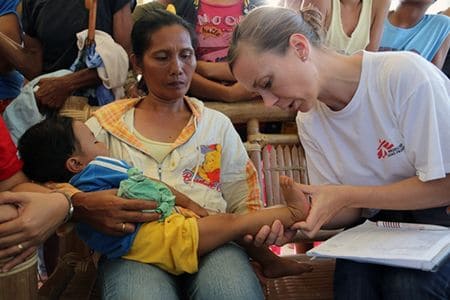
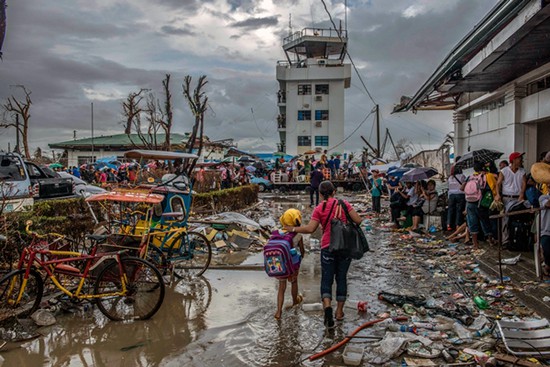
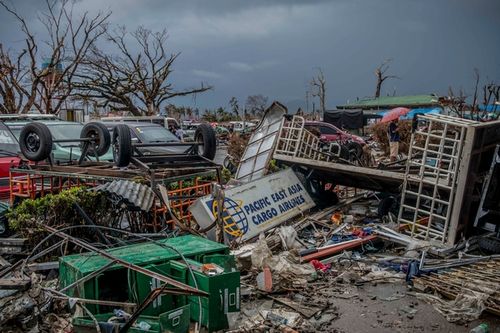
Despite increasing humanitarian aid in typhoon-hit areas of the Philippines, MSF teams are still finding villages and towns that have not yet received any aid. MSF’s teams are working in hospitals, running mobile clinics, providing mental healthcare, distributing essential relief items and clean drinking water. In Guiuan, 1,200 tents have been distributed and potable water … Read more
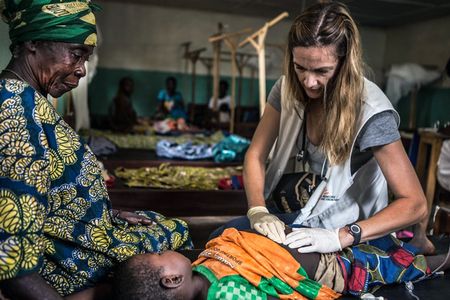
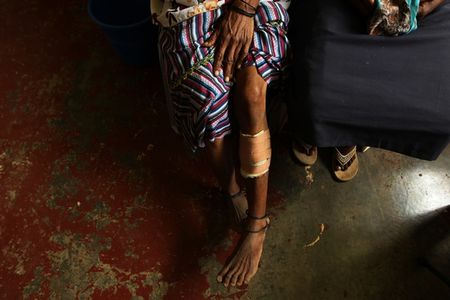
Central African Republic: New Fighting Adds to Massive Crisis

SF Renews Call for Increased Humanitarian Response to Ongoing Crisis  New York, November 26, 2013—A massive humanitarian crisis in the Central African Republic (CAR) is growing even more severe, as fighting and threats against civilians near the town of Bouca have driven hundreds more people to flee, the international medical humanitarian organisation Doctors Without Borders/Médecins … Read more

Papua New Guinea: A comprehensive response to family and sexual violence is critical

Port Moresby, 25 November 2013 – Family and sexual violence (FSV) is a medical-humanitarian emergency with serious consequences for survivors, at individual and also family level. Its effects go far beyond domestic borders and affect public health at national level. Survivors need access to free, quality, confidential, integrated medical care, as well as high quality … Read more

Philippines Typhoon: "As Long As People Need the Help, I Will Be Here"

Cindy Penalber is a Filipino nurse from the town of Estancia in northeast Panay Island. She has been helping survivors of Typhoon Haiyan since it hit the Philippines on November 8. Cindy and many of her colleagues are now working alongside Doctors Without Borders/Médecins Sans Frontières (MSF) mobile clinic teams to provide medical care in … Read more

Philippines: MSF team sets up inflatable hospital

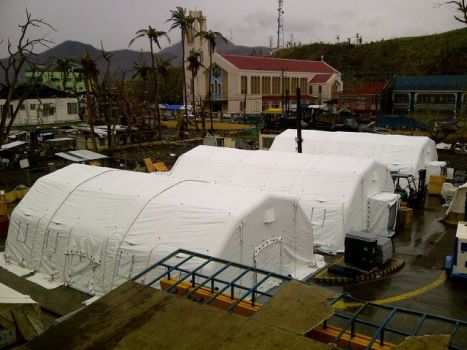
November 22, 2013: Developed specifically for natural disasters, MSF’s inflatable hospital is a temporary structure in which its teams will provide secondary healthcare and surgical care in the typhoon-hit city of Tacloban over the next three to six months while the local healthcare system is rebuilt. A team from the international medical organisation Doctors Without … Read more

Philippines Typhoon: Survivors tell their stories – “We have nothing, we lost everything.”

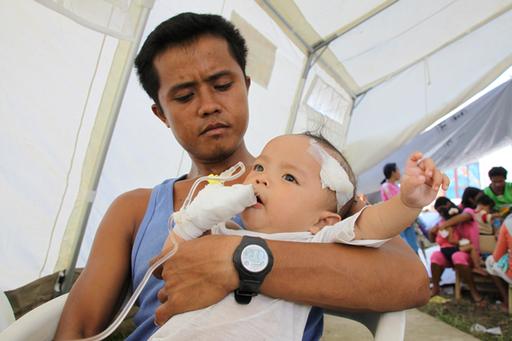
November 20, 2013: Cradled in his father’s arms, five-month old Niño James Padernos cries feebly. He is coughing and has been feverish for two days, with red spots on his face. “Two days ago he came down with a fever. It didn’t go away,” says Niño’s mother. “His fever is very high, I am very … Read more

Typhoon Haiyan: Teams Encounter Widespread Medical Needs

November 19, 2013: Doctors Without Borders/Médecins Sans Frontières (MSF) teams in the Philippines are treating patients for wounds, chronic medical conditions, infections, and psychological trauma. Here, Dr. Natasha Reyes, MSF emergency coordinator, describes the widespread needs. MSF has been doing medical consultations in the ruined town of Guiuan for the past four days. Six hundred … Read more

Typhoon Haiyan: "The situation is catastrophic" – interview with MSF emergency coordinator

Almost ten days after Typhoon Haiyan struck the Philippines, aid is reaching airports, ports and cities but people in many rural areas are still struggling without assistance, says MSF emergency coordinator Caroline Seguin. Here, she describes the huge logistical challenges of getting emergency aid to where it’s needed most. “In the days since the typhoon … Read more

Typhoon Haiyan: MSF medical activities start taking shape

November 16, 2013:  While serious logistical difficulties remain, the activities of Doctors Without Borders/Médecins Sans Frontières (MSF)  teams on the islands most affected by Typhoon Haiyan are taking shape. With 137 international staff in the Philippines today, and the arrival of 232 tons of supplies, MSF teams continue to assess areas outside the main cities … Read more