Doctors Without Borders/Médecins Sans Frontières (MSF) has ended one of its largest interventions responding to the health and humanitarian needs of Syrian refugees in Jordan. Our response to the Syrian refugee crises in Jordan started in 2013, through an emergency surgical hospital in Ramtha to treat war-wounded patients crossing the borders from southern Syria.
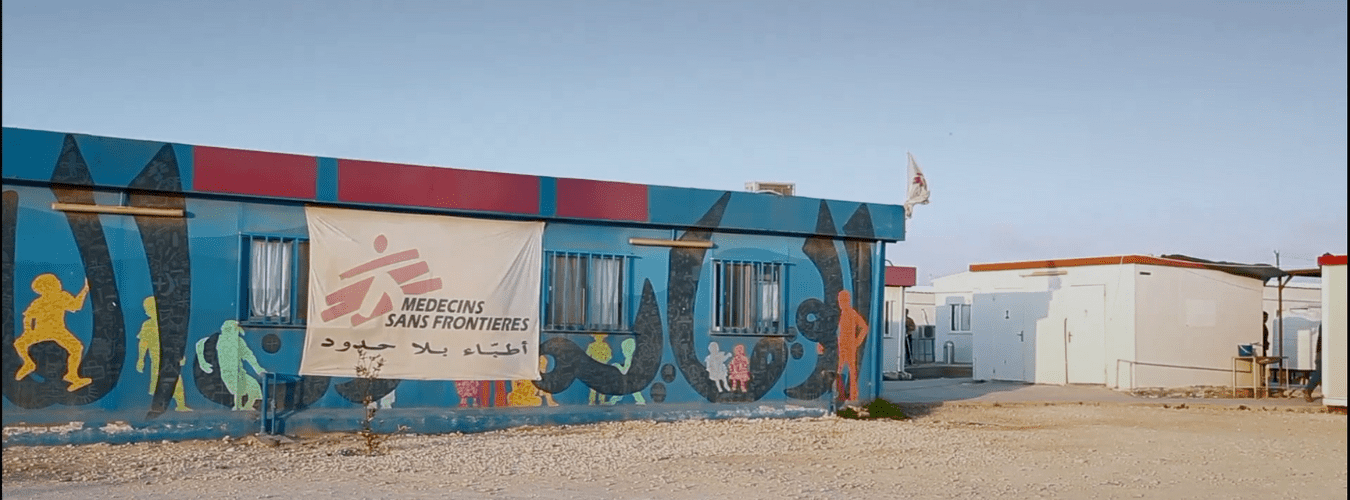
In 2014, a 40-bed post-operative care clinic was opened in Zaatari, Jordan’s largest refugee camp. Our teams subsequently ran mobile clinics in Rukban at the northeastern border of Jordan providing care for children under five and pregnant women.
After an assessment of the needs, we provided chronic diseases services free of charge in Irbid governorate for Syrian refugees as well as for vulnerable Jordanians. When COVID-19 arrived in Zaatari camp in 2020, we opened a 30-bed COVID-19 treatment centre inside the camp.
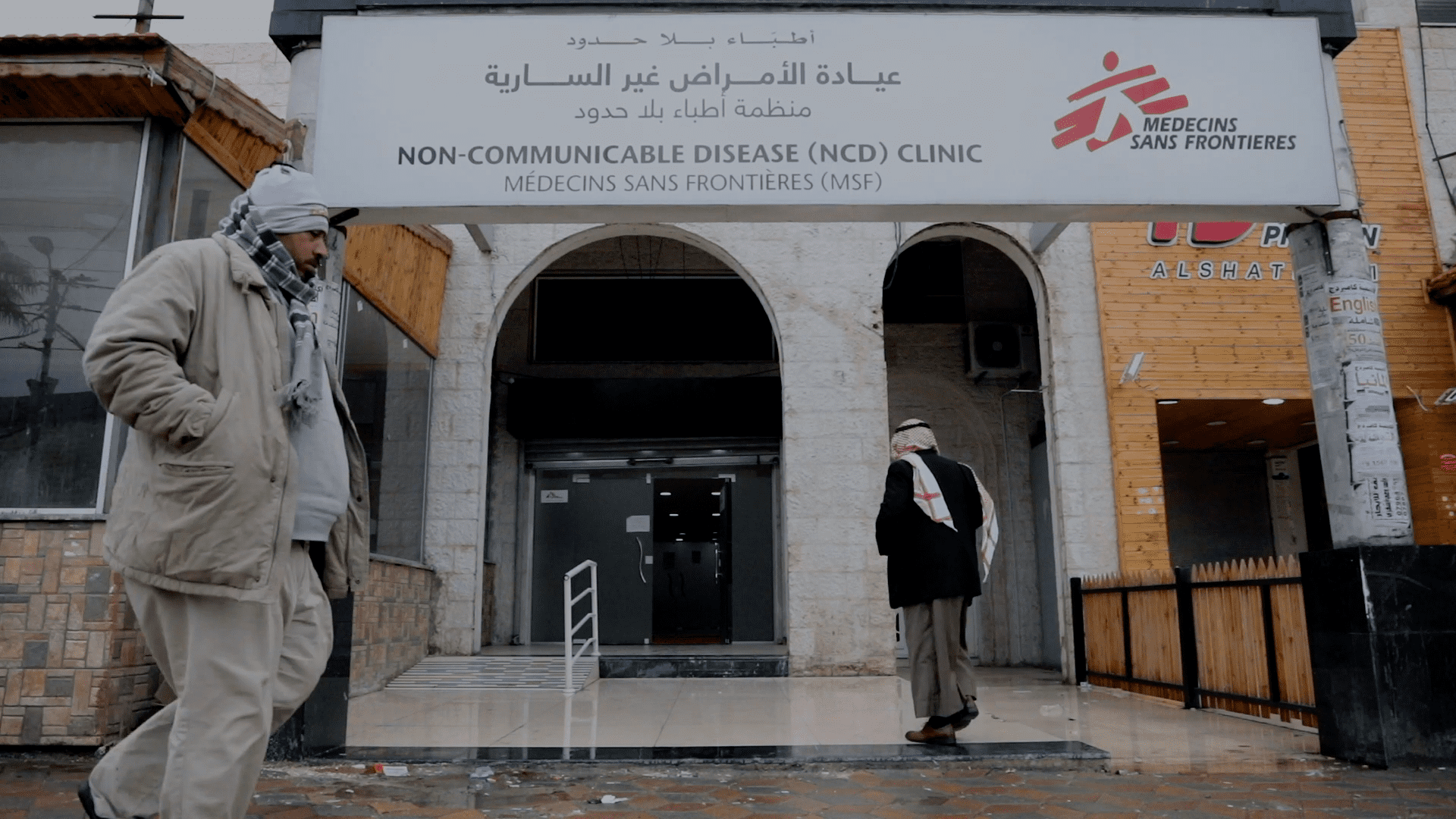
Over the past seven years, the chronic diseases treatment programme provided medical consultations to a cohort of more than 5,500 patients. Of those patients, 70 per cent were Syrian refugees and 30 per cent were vulnerable Jordanians. The programme provided patients with holistic care based on a patient-centred approach. It has offered treatment for hypertension, diabetes, asthma, cardiovascular diseases, and chronic obstructive pulmonary diseases.
From the start of the programme until the end of 2021, our teams provided more than 80,000 medical consultations, 70,000 health awareness sessions, 10,000 physiotherapy sessions and 5,000 psychosocial support sessions.
“We have done our best to build up comprehensive care for our patients. The focus was not limited to providing medical consultations. We have also incorporated nursing care, physiotherapy and mental health support with a huge emphasis on health promotion, preventative care and home-based care,’’ says Stefanie Christina Dittmann, MSF project coordinator in Irbid, in northern Jordan.
“Witnessing lifesaving moments for people wounded by the Syrian war has deeply impacted me as a person. It really showed the impact of MSF’s work,” says Dr Hammad.
“It was immense work to try to cover the many needs faced by Syrian refugees in Jordan. But without a doubt, it has been rewarding to be able to support our patients over the past years.”
– DR LUNA HAMMAD
MSF DEPUTY MEDICAL COORDINATOR IN JORDAN
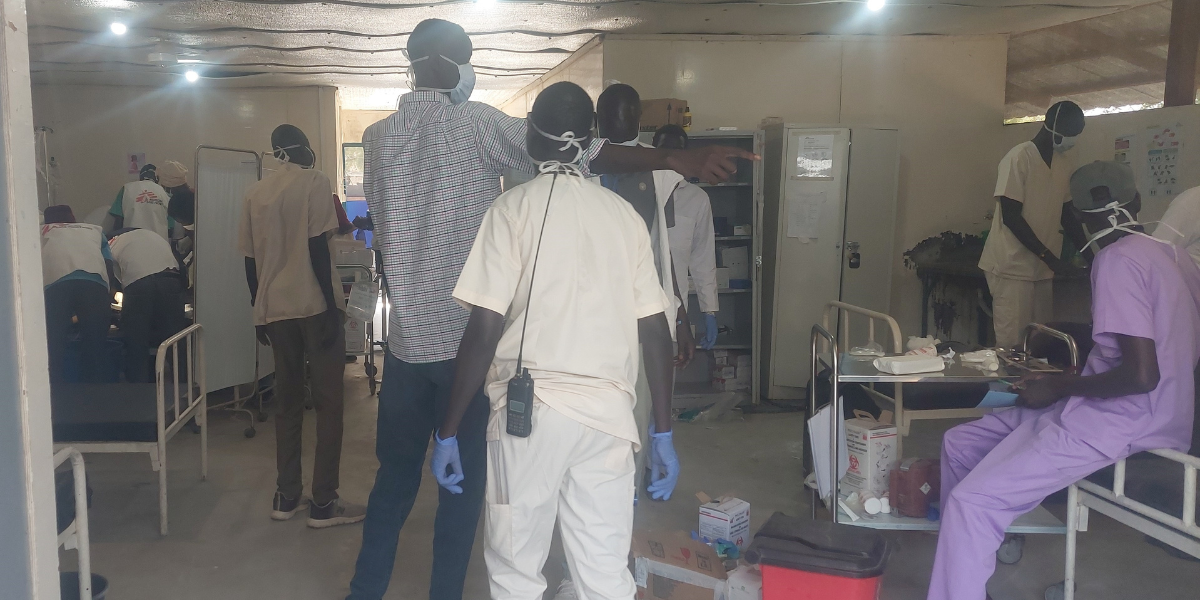
“In our emergency surgical hospital in Ramtha, and over the course of four years, we’ve seen at least 2,700 patients wounded in the war in the emergency room, admitted and treated 1,842 patients, carried out more than 3,700 major surgeries, performed more than 8,500 physiotherapy sessions, and over 5,900 psychosocial support sessions,” she says.
Both the Syrian people and the health system in Syria are still impacted by a war entering its 11th year. We are closely monitoring the health situation of the Syrian refugees in Jordan and in neighbouring countries, and remain committed to providing care to Syrian refugees across the Middle East region and on the move.
At the same time, our teams will readapt to the changing context in and around Syria to continue responding to growing humanitarian and medical needs in the war-torn country. We will also continue to work in Jordan treating people from the region wounded from war, including Syrians, at our reconstructive surgical hospital in Amman, which has been running since August 2006.