ABOUT THE FELLOWSHIP
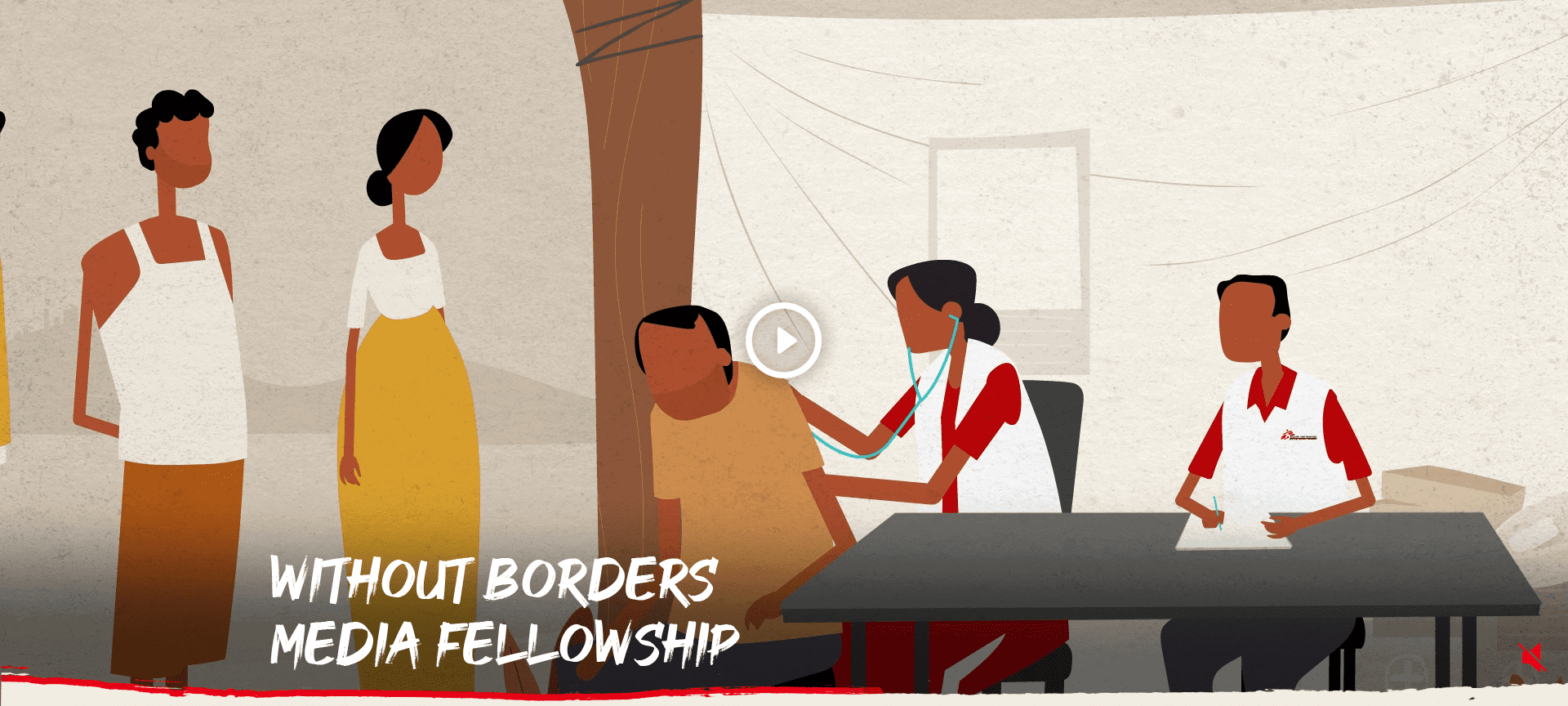
MSF is opening the call for proposals by journalists, photographers, filmmakers, and newsrooms editors to join the 2025-2026 cohort of the Without Borders Media Fellowship. This Fellowship aims to encourage humanitarian and health related journalistic reporting, and leverages scientific storytelling to draw attention to emerging local or cross-border issues in the South Asia region. Journalists awarded with this fellowship are expected to produce at least one in-depth report by engaging with affected populations and stakeholders. The fellows will have an opportunity to work closely with mentors, who are experts and thought leaders in journalism and public health, as well as medical and operations specialists from the MSF movement.
Stories from the heart of crises give a voice to vulnerable people, support medical and humanitarian advocacy, and encourage dialogue on humanitarian values. Awarded fellows will be encouraged to work together, build communities of practice, and support humanitarian actors to better understand crises and contexts, while working with compassion.


There are three grant categories available for applicants to choose from:
- General Grant (applicants can choose from a range of themes)
The General Grant supports in-depth reporting across five themes:
- Tuberculosis
- HIV
- Health Impact of Climate Change
- Women’s Health
- Impact of Caste on Health
This grant will enable journalists to highlight and investigate a range of transversal subjects in South Asia through training, insightful storytelling and extensive field exposure. Successful applicants receive a grant to cover reporting costs and get access to experts to enrich the reporting process.
Please read further details about these five topics and the expected regions of focus, under the Themes section.
- MSF-DNDi (Drugs for Neglected Diseases initiative) Grant on Neglected tropical diseases (NTDs) and Gender Responsive R&D
(ONLY OPEN TO APPLICANTS FROM INDIA, NEPAL, BANGLADESH AND SRI LANKA)
The MSF-DNDi Grant focuses on raising awareness and fostering a better understanding of Neglected Tropical Diseases (NTDs). NTDs such as dengue, lymphatic filariasis, leishmaniasis and mycetoma affect millions of people in South Asia. These diseases are driven by factors like poverty, poor sanitation, lack of adequate treatment and limited healthcare access. This grant is aimed at exploring the complexities of NTDs from the lens of gender, pediatrics and climate change. It emphasizes the need for targeted interventions such as safe, affordable and effective treatment and improved healthcare infrastructure.
The grant will also focus on critical issues surrounding gender equity in clinical trials, the intersection of gender, climate, and infectious diseases highlighting the systemic challenges faced by women in health research and the urgent need for actionable strategies to address these disparities. Recipients receive financial support for reporting expenses and access to DNDi experts to generate comprehensive reportage.
- MSF-GARDP (The Global Antibiotic Research & Development Partnership) Grant on Antimicrobial Resistance (AMR) (Open to Applicants from Afghanistan, Bangladesh, Sri Lanka, India, Pakistan, and Nepal.)
AMR occurs when bacteria naturally develop resistance to antibiotics, rendering them increasingly ineffective. As a result, infections become difficult or impossible to treat, increasing the risk of disease spread, severe illness and death. AMR is already one of the world’s biggest killers, with 4.71 million associated deaths each year. As per the recent findings of the Global Burden of Antimicrobial Resistance (GRAM) study, AMR-related mortality has remained relatively stable in recent decades, but a sharp rise is now expected, with the number of AMR-related deaths increasing by more than 70% by 2050. The MSF-GARDP grant on AMR is aimed at delving deeper into the issue of AMR, the steps we need to take today to bend the curve on AMR and how different stakeholders can play their part in tackling the challenge posed by antimicrobial resistance. Recipients shall receive financial support for reporting expenses and access to GARDP experts to generate comprehensive reportage.
The General Grant supports in-depth reporting across five themes:
- Tuberculosis
- HIV
- Health Impact of Climate Change
- Women’s Health
- Impact of Caste on Health
This grant will enable journalists to highlight and investigate a range of transversal subjects in South Asia through training, insightful storytelling and extensive field exposure. Successful applicants receive a grant to cover reporting costs and get access to experts to enrich the reporting process.
Please read further details about these five topics and the expected regions of focus, under the Themes section.
(ONLY OPEN TO APPLICANTS FROM INDIA, NEPAL, BANGLADESH AND SRI LANKA)
The MSF-DNDi Grant focuses on raising awareness and fostering a better understanding of Neglected Tropical Diseases (NTDs). NTDs such as dengue, lymphatic filariasis, leishmaniasis and mycetoma affect millions of people in South Asia. These diseases are driven by factors like poverty, poor sanitation, lack of adequate treatment and limited healthcare access. This grant is aimed at exploring the complexities of NTDs from the lens of gender, pediatrics and climate change. It emphasizes the need for targeted interventions such as safe, affordable and effective treatment and improved healthcare infrastructure.
The grant will also focus on critical issues surrounding gender equity in clinical trials, the intersection of gender, climate, and infectious diseases highlighting the systemic challenges faced by women in health research and the urgent need for actionable strategies to address these disparities. Recipients receive financial support for reporting expenses and access to DNDi experts to generate comprehensive reportage.
AMR occurs when bacteria naturally develop resistance to antibiotics, rendering them increasingly ineffective. As a result, infections become difficult or impossible to treat, increasing the risk of disease spread, severe illness and death. AMR is already one of the world’s biggest killers, with 4.71 million associated deaths each year. As per the recent findings of the Global Burden of Antimicrobial Resistance (GRAM) study, AMR-related mortality has remained relatively stable in recent decades, but a sharp rise is now expected, with the number of AMR-related deaths increasing by more than 70% by 2050. The MSF-GARDP grant on AMR is aimed at delving deeper into the issue of AMR, the steps we need to take today to bend the curve on AMR and how different stakeholders can play their part in tackling the challenge posed by antimicrobial resistance. Recipients shall receive financial support for reporting expenses and access to GARDP experts to generate comprehensive reportage.
MSF welcomes applications from Afghanistan, Bangladesh, Sri Lanka, India, Pakistan, and Nepal:
-
Journalists of all nationalities and from diverse backgrounds, including staff reporters, photographers, radio/audio journalists, and television/video journalists working in print, television, online media (including YouTube), as well as freelancers based in the countries above.
-
Applications must be submitted in English. However, applicants are encouraged to additionally publish their stories in local languages of their region.
- Selection Criteria:
-
Reporting proposals must be grounded in significant public health or humanitarian crises, in the countries mentioned above.
-
Proposals must align with MSF’s work, social mission, and values.
-
Current relevance of the story pitch.
-
Innovative storytelling idea that has the potential to bring new insights to an issue.
-
A minimum of 3 years of professional experience is required for applicants.
-
Former fellows are eligible to apply.
The Without Borders Media Fellowship aims to promote continuous reporting and outreach on the intersection of factors affecting public health and humanitarian conditions, including planetary health, social class, access to health resources, diagnosis, and treatment, conflict and violence, urban development, and disparities in healthcare access.
The Without Borders Media Fellowship aims to:
-
- Encourage cross-border and hyper-local reporting on health and humanitarian crises.
- Leverage multimedia storytelling to build public awareness and mobilization.
- Engage a community of actors interested in humanitarian response and medical action.
- Document and highlight critical practice or policy issues in healthcare delivery.
The Fellowship award aims to support media professionals by providing the following:
-
- Reporting costs
- Access to MSF projects
- Knowledge sharing on MSF’s model of care
- Mentorship
- Training/sensitization
- Resources to produce in-depth, insightful reporting.
Media Fellows who are selected in the MSF program are provided with comprehensive support throughout their journey. This includes mentorship, subject matter sensitization, and training, as well as access to MSF projects and experts. They also receive funding for reporting costs for field visits, based on reasonable and detailed budgets. Most awards range between INR 50,000 to INR 2,00,000 (or the local currency equivalent). The amount may vary depending on individual circumstances.
The Fellowship award covers a duration of three to five months for the project, with some projects requiring further consideration depending on the application and reporting proposal. Fellows are expected to publish their work before the end of 2024.
The Fellowship accepts applications and reporting proposals on various thematic areas, including but not limited to General Grant (applicants can choose among five themes) or the MSF-DNDi (Drugs for Neglected Diseases initiative) Grant for Neglected Tropical Diseases (NTDs) or MSF-GARDP (The Global Antibiotic Research & Development Partnership) Grant on Antimicrobial resistance (AMR).
1.Tuberculosis:
Tuberculosis (TB) continues to be one of the world’s deadliest infectious diseases, disproportionately affecting the poorest and most vulnerable communities. Despite being preventable and curable, millions lack access to timely diagnosis and effective treatment. The rise of drug-resistant TB (DR-TB) has made treatment longer, more toxic, and harder to access. MSF works to provide shorter, more effective, and patient-friendly treatments while challenging high drug prices and diagnostic gaps. Tackling TB requires community-based care, robust public health systems, and sustained outreach efforts. Journalists are expected to report on the human toll of TB, barriers to accessing care, and the urgent need for equitable access to diagnostics and treatment for all.
Expected regions of focus: India, Pakistan, Afghanistan
2.HIV:
HIV remains one of the world’s leading global health challenges, particularly in low-resource and crisis-affected settings. Despite major progress in antiretroviral therapy (ART), many people still lack timely access to testing, treatment, and sustained care. Late diagnoses, stockouts, and overwhelmed health systems continue to cost lives. MSF focuses on simplifying treatment protocols, decentralizing care, and supporting people through long-term adherence. Community-based models and rapid, accessible testing are critical to closing the treatment gap. Journalists are expected to explore the persistent barriers to HIV care, the consequences of late treatment, and efforts to bring life-saving therapies closer to people in need.
Expected regions of focus: India, Sri Lanka, Nepal
3.Women’s Health:
Women and girls often face unique health challenges due to gender inequality, limited autonomy, and restricted access to care. From unsafe abortions to complications in childbirth, the lack of sexual and reproductive healthcare in crisis-affected or remote areas puts lives at risk. Women also bear the brunt of gender-based violence, which has severe physical and mental health consequences. Essential services such as family planning, safe abortion care, and emergency obstetric care are often scarce or inaccessible. Journalists are expected to investigate the intersection of gender, health, and inequality, with a focus on how comprehensive women’s health services can save lives and restore dignity.
Expected regions of focus: Afghanistan, Pakistan, Bangladesh, Nepal
4.Health Impact of Climate Change:
Climate change is a growing public health emergency, exacerbating existing vulnerabilities and driving new health crises. Rising temperatures, extreme weather events, and shifting disease patterns threaten food security, water access, and increase the spread of diseases such as malaria, dengue, and cholera. Marginalized communities often suffer the most, with limited resilience and adaptation capacity. Climate-related displacement also brings new health challenges, including overcrowded shelters and poor sanitation. Journalists are expected to uncover how climate change affects public health, with a particular focus on vulnerable populations, disease outbreaks, and the need for climate-resilient health systems.
Expected regions of focus: Bangladesh, India, Sri Lanka, Nepal
5. Impact of Caste on Health:
Caste-based discrimination remains a systemic and deeply rooted barrier to healthcare access across South Asia. Marginalized caste groups face exclusion, stigma, and neglect in both public health systems and society at large. Caste intersects with gender, disability, and poverty, compounding health vulnerabilities. Women from oppressed castes face disproportionate burdens, including hazardous work and limited access to care. Caste is a cross-cutting issue that influences patient dignity and equity in care. Journalists are expected to explore how caste impacts access to healthcare and to highlight stories that reveal both structural exclusion and efforts toward inclusive, dignified health services.
Expected regions of focus: India, Sri Lanka, Pakistan, Bangladesh, Afghanistan, Nepal
6. Neglected Tropical Diseases:
The MSF-DNDi Grant focuses on raising awareness and fostering a better understanding of Neglected Tropical Diseases (NTDs). NTDs such as kala azar, dengue, lymphatic filariasis, and mycetoma affect millions of people in South Asia. These diseases are driven by factors like poverty, poor sanitation, lack of adequate treatment and limited healthcare access. This grant is aimed at exploring the complexities of NTDs from the lens of gender, pediatrics and climate change. It emphasizes the need for targeted interventions such as safe, affordable and effective treatment and improved healthcare infrastructure. The grant will also focus on critical issues surrounding gender equity in clinical trials, the intersection of gender, climate, and infectious diseases highlighting the systemic challenges faced by women in health research and the urgent need for actionable strategies to address these disparities. Recipients receive financial support for reporting expenses and access to DNDi experts to generate comprehensive reportage.
Expected regions of focus: India, Bangladesh, Sri Lanka, Nepal
7. Gender Responsive R&D
Women’s specific medical needs are widely overlooked in traditional biomedical R&D. In addition, women are often under-represented among those leading research in this field. We are working to upend this persistent and harmful status quo. Despite representing half of the world’s population, women are a neglected population when it comes to drug development. For example, women are often excluded from clinical trials, resulting in a lack of important data on physiological differences – especially data concerning medicine safety and efficacy in pregnant or breastfeeding women. Recipients receive financial support for reporting expenses and access to DNDi experts to generate comprehensive reportage.
Expected regions of focus: India, Bangladesh, Sri Lanka, Nepal
8. Antimicrobial Resistance (AMR)
AMR occurs when bacteria naturally develop resistance to antibiotics, rendering them increasingly ineffective. As a result, infections become difficult or impossible to treat, increasing the risk of disease spread, severe illness and death. AMR is already one of the world’s biggest killers, with 4.71 million associated deaths each year, of which 20% are in India. While the predominant AMR narrative so far has explored “excess and inappropriate use of antibiotics” as a key contributor to AMR, “lack of access to the right antibiotics” is a contributor that has largely been ignored. As per the recent findings of the Global Burden of Antimicrobial Resistance (GRAM) study, AMR-related mortality has remained relatively stable in recent decades, but a sharp rise is now expected, with the number of AMR-related deaths increasing by more than 70% by 2050. The primary reasons behind this sudden surge are the rise and spread of difficult-to-treat Gram-negative infections and a lack of access to effective antibiotics across the globe. According to the GRAM study, more than 50 million deaths could be prevented through improvements to access. The MSF-GARDP grant on AMR is aimed at exploring the theme of access vs excess, from the context of India and LMICs and going deeper into the issue of lack of antibiotic access. The stories could gather insights keeping in mind the complexities of the Indian healthcare system – public vs private; primary vs secondary vs. tertiary; urban vs rural. Recipients shall receive financial support for reporting expenses and access to GARDP experts to generate comprehensive reportage.
Expected regions of focus: India
Fellows will work closely with the MSF South Asia Communications Team and mentors to finalize their reports. They must ensure coordination on the presentation or representation of any facts, anecdotes, and lived experiences, both medical and non-medical, that may affect patient privacy, rights, and access to healthcare. Fellows must pick only one type of reports below for his application:
Print/Digital: Fellows must publish a minimum of two article series (800 words each; feature or analysis) OR one long-form story (1500 words minimum) on a notable news platform. If the journalist is already working in a news organization, the organization must be willing to publish the story.
OR
Video/Multimedia: Fellows must publish one (8 minutes minimum) video story or short film, or photo essay, including photographs or illustrations, supported with text (15-20 photos and 600 words) OR two video series (4 minutes each).
As part of their application, candidates must include letters of commitment from news outlets, national or international, to publish or broadcast their work.
Fellows will be encouraged to participate in a webinar/Facebook Live session, ideally in association with another organization/MSF/media platform where the stories are published, where each fellow will speak about their work and highlight the cause.
As the selection for the Without Borders Media Fellowship is competitive, we ask applicants to provide:
- Story Proposal: MSF expects a concrete proposal including Title of the Proposal, location(s) of reporting, well-researched pitch with references (data, news story, examples) to add context (500-750 words).
- Medium of publication: Print, Digital, TV, Podcast
- Letter of commitment or interest from a media organization(s) that would publish your story(ies) Names and contacts of two professional references.
- Reporting plan: Applicants must share a detailed reporting plan that lists out the preferred start and end dates of the fellowship, field visit dates, locations, risks involved (legal and physical) etc. Pre-reporting by the applicant on the subject will be of advantage to the application.
- List of stakeholders (institutions, organizations, collectives and individuals) that you will contact for information or insight during the reporting process of the Fellowship.
- Three examples (links) of your most relevant stories (to the pitch) published recently.
- List of collaborators in this story, if any (for example stringers, data scientists, illustrators, photographers etc.)
- Tentative date of publication of this story.
- Statement of Motivation (300 words)
- CV or Resume.
- Contact details of two professional references.
The grant awarded by MSF only covers reporting or travel costs. MSF expects and encourages news organizations to pay journalists for their work. In exceptional cases, we may consider stipends to cover a reporter’s time. If you are applying on behalf of a newsroom, please note that we do not allow overhead or indirect expenses in our budgets. For multimedia journalists, especially those producing news feature stories, MSF South Asia will feature their work on its website (www.msfsouthasia2ndstg.ebizonstg.com) as well.
FELLOWS
MSF introduced a fellowship for media in India in 2016. It was later expanded internationally and in the last 9 Years, it has embraced over 400 applicants across four different countries. These efforts have culminated in awarding 20 outstanding fellows who have brought forth 25 several unique narratives—narratives that delve deep into critical health and humanitarian issues across South Asia. These stories not only highlight the risks faced by many but also illuminate stories of hope.
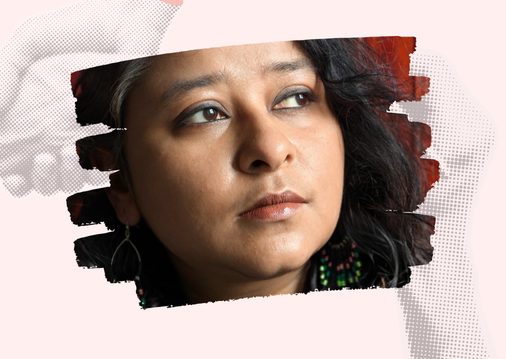
Aatreyee Dhar
Aatreyee Dhar is an independent journalist reporting on health, plantation economics/ politics, gender and environment especially from northeast India.
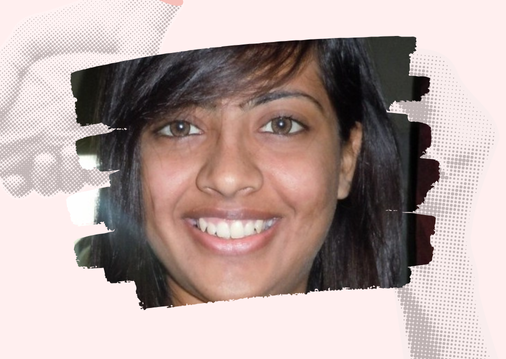
Cheena Kapoor
Cheena Kapoor is a Delhi-based independent journalist and photographer. She writes on climate change, public health, gender, and socio-economic issues. She has been a recipient of the Thomson Reuters Foundation Grants (2020 and 2024), Climate Change News Grant, ICIMOD and GRID Arendal Grant, and COP29 and COP30 fellowships by the Earth Journalism Network. Her work has been published by Devex, Fuller Project, Dialogue Earth, The Guardian, Johns Hopkins, and the British Medical Journal, among many others. Her long-term photo project “Forgotten Daughters” about abandoned women in Indian mental asylums has been widely published and exhibited across Europe. You can see her work here and follow her on Twitter and Instagram.
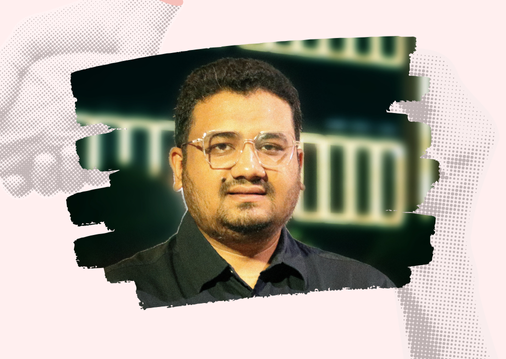
Raihan Ferdaus
Raihan Ferdaus, an experienced journalist from Bangladesh, has committed almost ten years to his work in the media field. During his working time with the BBC Media Action’s Resilience Team, he explored the societal and economic effects of climate change. Upon graduation, he chose to rekindle his passion for journalism. He became a staff correspondent at Jamuna TV, committing himself to thorough investigations into various urgent human issues. Ferdaus delves into the subject of climate change, examining its impacts on agriculture, coastal communities, and urban environments. He contends that climate change research is lacking because of inadequate data and highlights the significance of sharing personal stories instead of depending exclusively on government funding.
Raihan Ferdaus’s investigative journalism in the healthcare sector in 2022 was nominated for the Foreign Press Association UK & Thomson Foundation Young Journalist Award 2023 for revealing the process of blood contamination and the public’s inability to access blood during illness. For investigative journalists under the age of thirty, this nomination is considered a major milestone.
Following his coverage of the 2023 International Climate Conference (COP28UAE), was forced to tell the tale of the tremendous hardship that the ladies of Bangladesh’s coastal area bore. As a result, this project was effectively completed following intensive discussions with several research institutes, office administration, and the discovery of possible regions. The program interviewed all prospective stakeholders on the issue; however, solution journalism may not have been executed flawlessly in this case. We conducted a distinct study to ascertain whether the incidence of uterus tumor had indeed risen due to the saline water. Alternatively, are there other hygiene-related concerns? We are confident that a link exists between environmental degradation and unregulated economic development. This specific case of the health issue among coastal women, disguised as criminal finance, presents a grim perspective.
Having served as a senior reporter at Jamuna Television, he has reported on a diverse array of subjects, such as health, education, climate impact, and investigative journalism. He has undergone safety and security training in investigative journalism and storytelling for low-budget film production at the National Film and Television School in the UK.

Rituparna Palit
Rituparna Palit is an independent journalist exploring how environment, health, and technology intersect and shape lives. She is a recipient of fellowships from the Earth Journalism Network and IUCN Asia, and has previously worked in the editorial teams of leading national newsrooms such as the Press Trust of India, The Hindu, and Indian Express. As a freelancer, she has contributed stories to Mongabay India, The Caravan, The Wire, Down to Earth and Behanbox, among others.
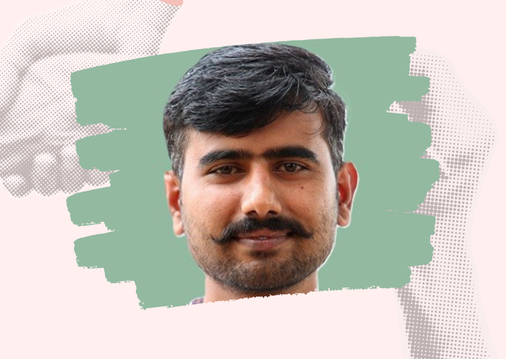
Sharvan Kumar
Sharvan Kumar is an environmental journalist and storyteller from Balotra, Rajasthan, whose work focuses on climate change, rural livelihoods, and marginalized communities. He serves as the Bureau Chief of Mooknayak, where he reports on social justice and grassroots resilience. Sharvan holds a Master’s in Culture and Media Studies from the Central University of Rajasthan and a Bachelor’s in Journalism and Mass Communication from IGNTU, Amarkantak. Over the years, he has worked with the Tribal Research and Development Institute (TRDI) in Bhopal and various rural development programs under Unnati Sansthan and Rajeevika. Selected for the Environmental Journalism Fellowship 2025 by 101 Reporters and the Earth Journalism Network, he continues to tell stories that connect people, nature, and community-driven change across Western Rajasthan.
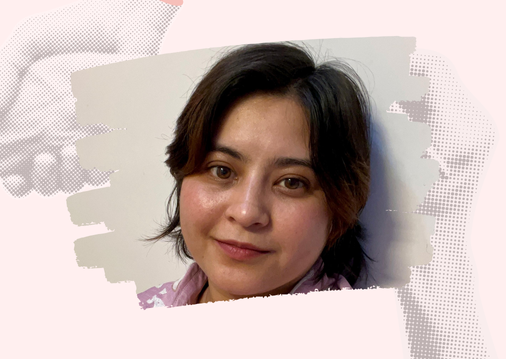
Swati Thapa
Swati is an independent journalist based in Uttarakhand, India, and has been working as a reporter since 2021. Her work involves in-depth coverage of critical topics, including health, gender, climate change, environment, and rural life in India. She has earned many fellowships and participated in training programmes with reputed organisations such as Mongabay, Thomson Reuters Foundation, The Open Notebook, and Population First, among others. These transformative experiences deepened their understanding of the pervasive challenges surrounding gender dynamics and human rights, providing them with the lens to understand the intersection of different social identities and issues. Their work has appeared in media organisations including Mongabay, Dialogue Earth, Behanbox, Feminism in India, and more. Through her work, she aims to highlight stories and experiences that, though crucial, are often overlooked or forgotten.
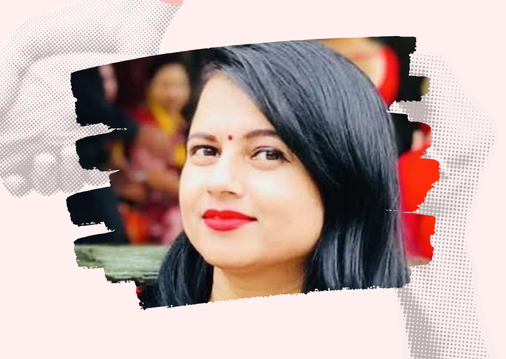
Tara Chapagain
Tara Chapagain is a Nepali journalist based in Kathmandu with more than a decade of reporting on social justice, climate, education, and gender. She was Senior Correspondent at Annapurna Post Daily and has worked across most major Nepali media outlets such as Gorkhapatra, Fewa Television, and Sabaiko Aawaj. Chapagain has deep regional insight with her coverage of stories of remote to urban Nepal. She is a Master’s degree holder in Journalism and Mass Communications from Purbanchal University, Nepal. She has got various fellowships and trainings on climate change, investigative journalism, and good governance. Her reportings are commended with abundant honors, including the Labour Employment Journalism Award (2023), Press Council Nepal Women Empowerment Award (2023), and Education Journalism Award (2022). She speaks Nepali, English, and Hindi. She is renowned for ability to report from relegated groups with compassion, complexity, morals, and straightforwardness.
Md. Zahid Hossain
Md. Zahid Hossain Khan is an experienced journalist, political analyst and researcher working in the complex areas of governance, policy analysis and social justice in Bangladesh. A significant portion of his professional career has been spent as a researcher at Jamuna Television. In this role, he has helped produce in-depth research and analytical reports on complex issues such as local governance, policy vulnerabilities, public health and climate justice. This experience has made him an expert journalist in assessing policy challenges.
Md. Khan is also as a Professional Fellow at the US State Department, which has elevated his expertise in international communications, democracy and public policy to a global standard. Through this fellowship, he has gained a unique and strategic position in understanding international governance structures and the practical impact of global policies. His combined experience has provided him with a strong foundation from which he is poised to contribute to the goal of establishing effective and democratic governance. He is currently pursuing an MPhil research degree in the Department of Communication and Issues, University of Dhaka, where his research focuses on the interrelationship between media and social development.
Shakoor Rather
Theme: Unpacking the impact of the Dengue crisis in South Asia (Thailand, Sri Lanka and India)
Shakoor Rather is a News Editor and Head – Science and Technology at Press Trust of India (PTI).
In his
over 12 years of experience as a multimedia journalist, he has covered topics such as public
health, environment,
climate change, biodiversity, and conservation. He has trained undergraduate and postgraduate
students of journalism in news
reporting, editing, battling disinformation, and creative writing. Shakoor has won several
fellowships and grants to cover important
news events globally from organizations such as the National Press Foundation (NPF), Stockholm
International Water Institute (SIWI),
the Earth Journalism Network, and the Council for the Advancement of Science Writing (CASW). He
is the author of the novel ‘Life in
the Clock Tower Valley’ published in March 2021, which was on the ‘Best Fiction’ list of the GQ
magazine for the year 2021.
Shakoor was also among 2021’s top nine upcoming authors list by The Independent UK.
- Climate Change Pushes Dengue into New Frontiers Across India
- Waiting for Universal Dengue Vaccine and Drugs: South Asia Battles Silent Pandemic
- How Rising Dengue Burden is Costing India and Sri Lanka Billions
<!– The
Pandemic Has Faded, But Thousands Of Orphaned Children Need Help & Counselling
–>

Chandrani Sinha
Theme: Battling the stigma attached to Elephantiasis/Lymphatic Filariasis in rural areas
(Odisha and Bengal, India)
Chandrani Sinha is an award-winning independent multimedia journalist, currently based in
Guwahati (Assam, India).
She has been reporting stories from the north-eastern region of India for the past 10 years.
Her work on climate
change, health, environment and human-interest issues has been published across both national
and international platforms.
Her story on the National Registration Certificate (NRC) and how it affected the identity of
climate victims of Assam was
selected as a finalist of the Asia Centre-Oxfam Award For Equitable Asia series. She is a 2022
International Visitor Leadership Program (IVLP) fellow which is a prestigious international
exchange program organised by the US Department of State. In 2021, she was a fellow with the
National Foundation of India and covered the mental health issues faced by pregnant tea garden
workers in Assam during the pandemic. Her bylines have appeared in The Third Pole, BBC, Climate
Home, Washington Post, Vice US and Times UK. Her story on ‘Laments of Brahmaputra’
published by The Third Pole covered the pain of climate victims and won the Covering Climate Now
global journalism award 2022.
- Mental Health Challenges Abound for Lymphatic Filariasis Patients in India
- Climate Change and Lack of Data Are Hobbling India’s Fight Against Elephantiasis
<!– Poor
access driving crisis of drug- resistant tuberculosis in Nagaland –>

Menaka Rao
Theme: How a skin disease holds key to elimination of kala-azar/visceral leishmaniasis? (Bihar
and Jharkhand, India)
Menaka Rao is a consulting editor with Suno India, a podcast platform. She is an award-winning
journalist with more than 18 years of experience. She has reported extensively on health,
nutrition and justice through the lens of gender rights, child rights and the right to food. She
has extensively reported on public health issues including access to reproductive rights,
children’s health and infectious diseases such as Tuberculosis. Menaka has worked with several
prominent publications including Indian Express, Hindustan Times and Scroll.in. She has also
written for BBC, Guardian, FiftyTwo.in among others. Her work has featured across both print and
audio mediums. She won the Red Ink award for the best story in “Health and Wellness” Category in
2018, and Laadli Award for Gender Sensitivity in 2015 and 2022.
<!– Endless
Cycle Of Violence, Health Risks: No Respite For India’s Sex Workers –>
Adeel Saeed
Theme: Psychological trauma of facing Cutaneous Leishmaniasis (Khyber Pakhtunkhwa, Pakistan)
Adeel Saeed works as a Senior Reporter with Associated Press of Pakistan (APP) which is the
official news agency of Pakistan. He has covered a wide range of stories on impact of climate
change such as glacial melting, floods, heatwave, water shortage, damage to agriculture produce
etc. Adeel has also worked on public health issues- vector borne diseases, polio vaccination,
drug addiction and gender issues. In November 2021, he received a fellowship from the Earth
Journalism Network (EJN), a global network on environmental reporting. He is also a member of
the cohort of eco-journalists, formed by Heinrich Boll Stiftung (HBS), a German organization,
and contributed stories for its dossier on impacts of climate change.
- Exploring Solutions for Leishmaniasis Amidst Drug Shortage
- Leishmaniasis: A Skin Disfiguring Infection Surging in KP
<!– Surviving Sexual Assault In India: The
public health crisis no one is talking about –>

Marty Logan
Theme: Access to drugs for marginalized women in Nepal
Marty Logan is a Kathmandu-based journalist and podcaster whose work focuses on maternal and
child health, nutrition and human rights. He has lived and worked in Canada, Malaysia and Nepal,
writing and editing for The Canadian Press, Reuters, Inter Press Service News and Nepali Times.
He has freelanced for publications including The British Medical Journal, The Globe and Mail and
The New Humanitarian. In 2021, he wrote about school meal programmes in Nepal and Canada as a
recipient of the International Center for Journalists Global Nutrition and Food Security
Reporting Fellowship. Marty’s work includes multimedia such as Nepal Now, the podcast he created
about alternate forms of ‘development’ in the South Asian country.
- Remove Barriers to Life-Saving Drug to Prevent Maternal Deaths
- महिलाको जीवनरक्षक औषधि वितरणले भोगिरहेको बेवास्तार विरोध
<!–
‘Forest Means Fear’: Tiger Attacks in the Sundarbans
–>
Shreehari Paliath
Theme: How accessing healthcare is increasingly challenging for the displaced Rohingya
population in India?
Shreehari Paliath works at IndiaSpend, a Mumbai-based data journalism website. He reports on
social justice and public policy including labour and employment, migration, refugees, and the
criminal justice system. He received a special mention at the 2019 RedInk Awards under ‘Women
Empowerment & Gender Equality’ category, for his report on the post-flood rehabilitation work by
the poverty eradication and women empowerment programme run by government of Kerala. He has a
post-graduate diploma from the Asian College of Journalism in Chennai (India) and a Master’s
degree in development from Azim Premji University, Bengaluru (India).
<!–
Why Is Khyber Pakhtunkhwa’s Maternal Mortality Rate So High? –>
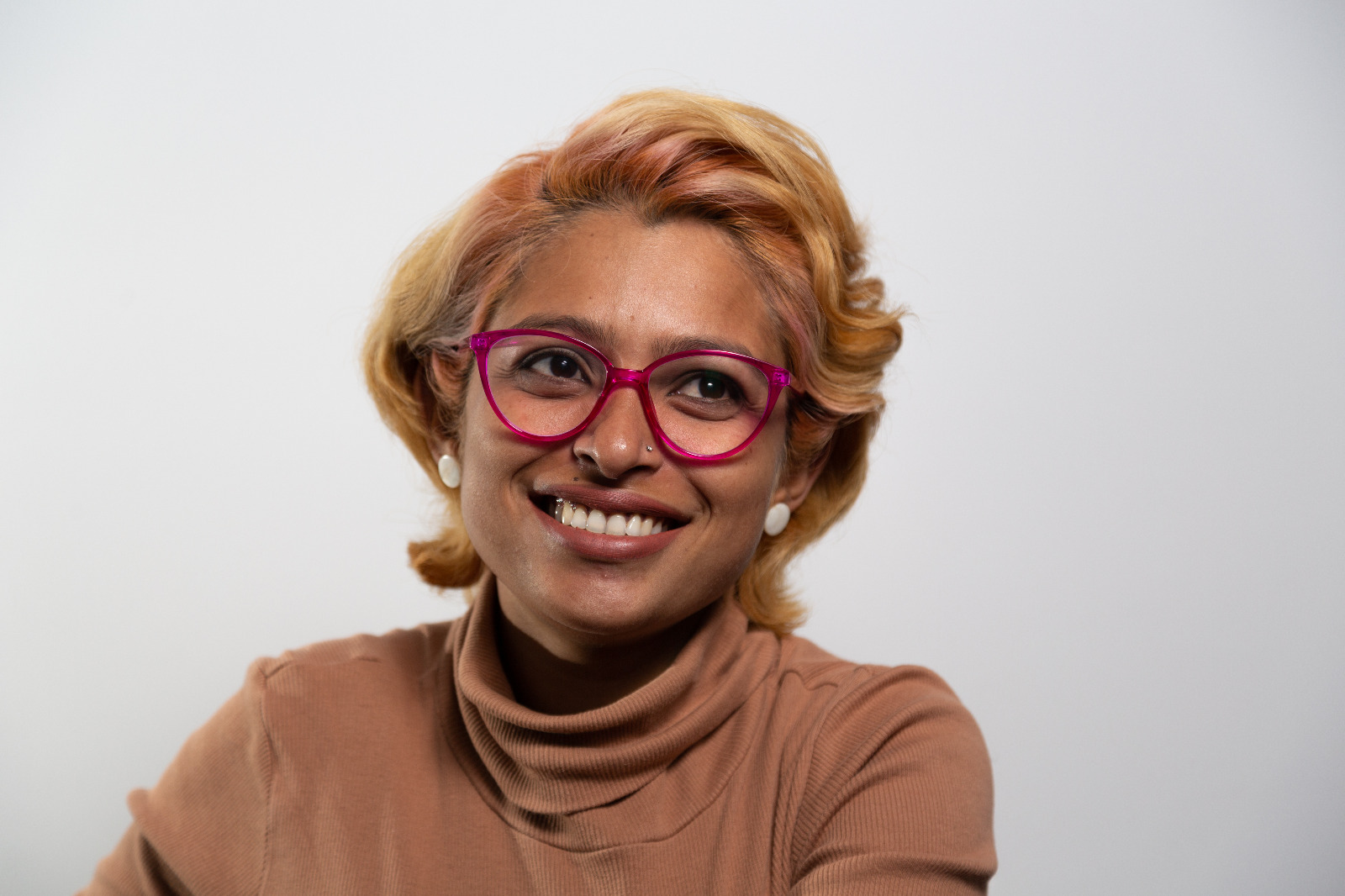
Dil Afrose Jahan
Theme: Impact of online harassment on mental health of displaced Rohingya population in
Bangladesh
Dil Afrose Jahan is a Bangladeshi award-winning freelance journalist, fact checker, researcher and media trainer based in Germany. She writes about human rights, migration, climate change, labour rights, human trafficking, crisis and conflict, religious minorities and security. Afrose works as a freelance investigative journalist for National Public Radio (NPR), Schweizer Radio und Fernsehen (SRF), among other international news media. She began her career in 2012 with the Daily Shokaler Khabor (Bangla News Daily). She later worked with television station Deepto TV, English daily Dhaka Tribune and as Bangladesh Fact Check Lead for Newschecker.in. She is a former ‘Early Childhood Development’ fellow with International Center for Journalists (ICFJ) and IJAsia Fellow of Global Investigative Journalism Network (GIJN). She has also been a part of scholarships such as the Nuffic Scholarship in Orange Knowledge Programme, DAAD Scholarship, and Berliner Scholarship Programme by Reporters Without Borders (RSF).
<!–
Why Is Khyber Pakhtunkhwa’s Maternal Mortality Rate So High? –>

Oishika Neogi
Theme: Mental health and healthcare access issues for Covid orphans in Delhi and Maharashtra, India. Oishika Neogi is a human rights researcher and journalist based in Delhi, India. Her focus lies on issues of identity, gender-based politics, hate crimes, and communal conflicts. Over the past few years, Oishika has extensively worked with survivors of targeted violence and marginalisation, and has produced on-ground reportage for platforms such as Al Jazeera, The Wire, Article-14, Scroll.in, and Toward Freedom, amongst others. Her research work has also been presented at conferences looking at South Asia and human rights across City College of New York, University of Edinburgh, and State University of New York (Buffalo).
The Pandemic Has Faded, But Thousands Of Orphaned Children Need Help & Counselling
Ketholeno Neihu
Theme: Difficulties in accessing healthcare for Tuberculosis in Nagaland, India.
Ketholeno Neihu is a journalist based in Nagaland, India and writes for ‘The Morung Express’, an English daily based in Dimapur, Nagaland. She has worked on a range of topics related to women, human rights, politics, law, and rural issues. She has been a recipient of the InOldNews Mobile Journalism Fellowship, 2020; REACH India Media Fellowship for reporting on TB 2021, and SCARF India Essence Media Fellowship for Sensitive Reporting on Mental health 2021.
Poor access driving crisis of drug- resistant tuberculosis in Nagaland
Nitasha Natu
Theme: Impact of Sexual and Gender-Based Violence on the Health of Sex Workers in Maharashtra, Delhi, and West Bengal in India.
Nitasha Natu is a Senior Assistant Editor with the Times of India in Mumbai. She is a postgraduate in law from Mumbai University. Over the past 19 years, she has written extensively on gender, human rights, violence against women and children, and road safety. Nitasha was an International Reporting Project (IRP) fellow and has reported on health and development from Ecuador. She received a Laadli Media and Advertising Award for Gender Sensitivity in the Print (News) category in 2021. In 2022, her news report on the human cost of road crashes was awarded second place in India by the World Health Organization (WHO) and the International Center for Journalists (ICFJ).
Endless Cycle Of Violence, Health Risks: No Respite For India’s Sex Workers
Amitha Balachandra
Theme: Difficulties in accessing healthcare for survivors of sexual and gender-based violence in Delhi, India.
Amitha Balachandra has over 8 years of experience as a journalist in audio-visual media and is based in Mumbai, India. She has previously worked at Bloomberg TV India and Times Network, and currently works with journalist Faye D’Souza for her digital news start-up. Amitha covers human rights stories, with a focus on injustice and public health.
Surviving Sexual Assault In India: The public health crisis no one is talking about
Ritwika Mitra
Theme: Impact of climate change on the mental health of women in Sundarbans in West Bengal, India and Bangladesh.
Ritwika Mitra is an independent journalist who writes on climate change, migration, hunger, health, and the criminal justice system with a gendered lens. She has previously worked with The Indian Express, Deccan Herald, and The New Indian Express. In 2016, she received the Chevening Scholarship to pursue a degree in International Relations with a pathway in gender at the University of Birmingham.
‘Forest Means Fear’: Tiger Attacks in the Sundarbans
Wisal Yousafzai
Theme: Maternal health in Khyber Pakhtunkhwa, Pakistan.
Wisal Yousafzai is a journalist based in Khyber Pakhtunkhwa, Pakistan as staff reporter for
The
Express Tribune, a leading English daily of Pakistan. He has worked with several prominent
newspapers
and radio stations and has covered a diverse range of issues connected to health, environment,
refugees, militancy and military operations. As a freelancer he has worked for the Reuters
News
Agency
and covered the withdrawal of US forces from Afghanistan and the Taliban takeover. He has also
contributed as a freelancer to several publications such as Afghanistan Today, News Eye, Truth
Tracker
and Universal Press Independent (UPI). He is an alumnus of International Centre for
Journalists
(ICFJ)
and East-West Centre on cross border mutual concerns. He is a member of the Peshawar Press
Club
(PPC)
and Pakistan Federal Union of Journalists (PFUJ).
Why Is Khyber Pakhtunkhwa’s Maternal Mortality Rate So High?
Udisa Islam
Theme: Mental Health of Refugees in Bangladesh.
Udisa Islam has been a journalist for the past two decades and is currently based in Dhaka, Bangladesh as the Special Correspondent for Bangla Tribune. She has worked at various top media houses on issues such as women and child health, human rights, law, and good governance. She has also worked with Research Initiative Bangladesh (RIB) on enhancing development journalism and has been associated with research work on the rights of indigenous people in Chittagong Hill Tracts. She was awarded the ‘Best Reporter in Anti-Drug Reporting’ by ‘The Daily Prothom Alo’, a leading daily newspaper in Bangladesh. She has authored several seminal books on communal violence, women’s rights, films, and media. She is currently pursuing her PhD under the Anthropology department of Jahangirnagar University in Dhaka.
They threw many children into the fire
Living in trauma like no one else
রোহিঙ্গা ক্যাম্প: যার যার মতো ট্রমায় বসবাস
রোহিঙ্গা ক্যাম্পে শেকড়হীন মায়েদের মানসিক হালচাল
RUPSA CHAKRABORTY
Theme: Nirbhaya funds and one-stop crisis centers in Maharashtra, India.
Rupsa Chakraborty works as a Special Correspondent with The Indian Express in Maharashtra where she covers issues related to health, gender sensitivity, and rural development. She has won Laadli Media Awards three times and has worked with several dailies across the country, including Hindustan Times, Midday, Deccan Herald, Times of India, and Ahmedabad Mirror.
Adnan Bhat
Theme: Substance abuse fuelling HIV, Hepatitis C and TB cases in Kashmir.
Adnan Bhat is an award-winning journalist. He writes and produces stories on the intersection
of
social movements, politics, health, and technology. His work has appeared in various reputed
international media publications such as Foreign Policy, Al Jazeera, Rest of World, South
China Morning Post among others.
Kashmir’s healthcare system is struggling to cope with a mounting heroin epidemic
Mahima Jain
Mahima Jain is an award-winning independent journalist based in Bengaluru, India. She covers
science, gender and socio-economic issues with a focus on inequity and injustice. As the Medicine
Sans Frontiers Media Fellow, for Article-14 she wrote a narrative long-form piece reporting on why
gender-based violence is a public health crisis. This story was a finalist for the Society of
Publishers in Asia (SOPA) Awards. Mahima was also a finalist for the Thomson Foundation Young
Journalist Award 2021. She won a UNFPA Laadli Media Award, and was nominated for the One World
Media Awards and Mumbai Press Club Red Ink Awards. You can explore her other work here:
https://mahimajain.in/. She tweets @theplainjain and is @mahima.a.jain on Instagram.
Her experience with MSF fellowship
I applied for the MSF Fellowship in 2020 when I wished to explore what are the systemic issues
that come in the way of tackling gender-based violence. This curiosity stemmed from the well-known
fact that gender-based violence in India is underreported. I wanted to understand the role of the
healthcare system in addressing gender-based violence, and if this is a public health crisis
(which the WHO says it is). MSF’s Fellowship opening seemed like a good fit for such a project.
When I got the Fellowship, I was very grateful that I now had the opportunity to do a long-term
project which was rooted in on-ground reporting and research. As a freelance journalist, I feel
like this reporting project would not have been possible without the Fellowship. More importantly,
MSF staff also extended support in other ways, by connecting me with subject matter experts and
other stakeholders. The Fellowship helped me break into reporting on health, while focusing on
unequal access to healthcare. This Fellowship was a stepping stone in my journey as a journalist.
The Silent
Pandemic Of Violence Against India’s Women
Swagata Yadavar
Swagata Yadavar is an award-winning independent journalist based in New Delhi. She writes on
public policy, healthcare and gender-related themes. Previously, she worked with ThePrint, India’s
leading news website, IndiaSpend, the country’s first data journalism website and The Week, a
national magazine. Follow her work on @swagata_y.
Her experience with MSF fellowship
It was a very enriching experience for me to visit South Africa to study how they have been
dealing with drug-resistant tuberculosis. I learnt how South Africa implemented a number of
patient-centric initiatives that eased treatment for drug-resistant TB and made it a leading
example of successful drug-resistant TB care in the world. My interviews with the MDR-TB patients
and doctors helped me understand how new drugs like bedaquiline and delamanid, which were
available to only a few thousands in the world, can reduce side effects and give patients a new
lease of life. This experience helped inform my reporting on access to bedaquiline in India. I was
also impressed by the MSF clinic staff in South Africa and the patient groups and came back
inspired.
- Why India Must Discard Fear, Give Some TB Patients ‘Game-Changing’ Drug
- Vaishali Shah, Struck By Drug-Resistant TB, Petitioned The PM’s Office For A Drug That Saved
Her. Others Died Waiting For It - Fighting Drug-Resistant TB:
What India Can Learn From South Africa’s Successes

Ankur Paliwal
Ankur Paliwal is an independent journalist who writes about science, inequity, and his
LGBTQIA+ community. He has reported from India, Ethiopia, Kenya, Tanzania, Ghana, Germany and
the United States for various Indian and international media outlets. He currently lives in
New Delhi.
His experience with MSF fellowship
MSF’s fellowship provided me with the resources I needed to gain a deeper understanding of
the gaps in the diagnosis of Tuberculosis in India. With the help of this fellowship, I could
spend enough time with the patients, care providers, researchers, and doctors to form an
understanding about why so many patients continue to fall through the cracks in the public
health system and develop drug-resistant TB.
In India’s Fight
Against Tuberculosis, Diagnostics Remains Poorly Understood
Pradeep Surin
Pradeep Surin has more than 15 years of experience in active journalism and has been associated with CNN-IBN, News-X and Dainik Bhaskar to name a few. During his stint in media, he got many opportunities to conduct debates and chat shows on health for All India Radio and was regularly invited as a guest speaker for NDTV, Doordarshan, Lok Sabha TV and Rajya Sabha TV. He was a facilitator for UNICEF in training journalists in Public Health reporting and was a lead mentor with the Thomson Reuters Foundation in drafting ‘Critical Appraisal Skills’ course for health journalists. He is a guest faculty member at the Indian Institute of Mass Communication, New Delhi and has been awarded with several fellowships across the globe, including those by the World Health Organization and Johns Hopkins University.
His experience with MSF fellowship
In my opinion, MSF Media Fellowship was one of the most wonderful experiences I have had. The process of selection was very smooth and throughout the fellowship, there was complete journalistic freedom. The team at MSF was very prompt in terms of facilitating information on specific subjects. Tuberculosis is my favourite subject in terms of research and that is why I decided to report on it for the fellowship. I don’t think except MSF there is any other organization which would help a journalist understand ground realities in India with such clarity.
-
टीबी से जंग – दो वक्त को रोटी से बदल सकती है तस्वीर
-
गलत इलाज से पहुंचे मौत
के करीब, अब मंगा रहे विदेशों से दवा
adfadsfzadsfdfadsafdsgadf
adfadfdgfafdgsfgda
kjdkjasdakjdsn
adfadfadadsadfads
adsfadfzdsfnhdkjfhakjdsfkjads
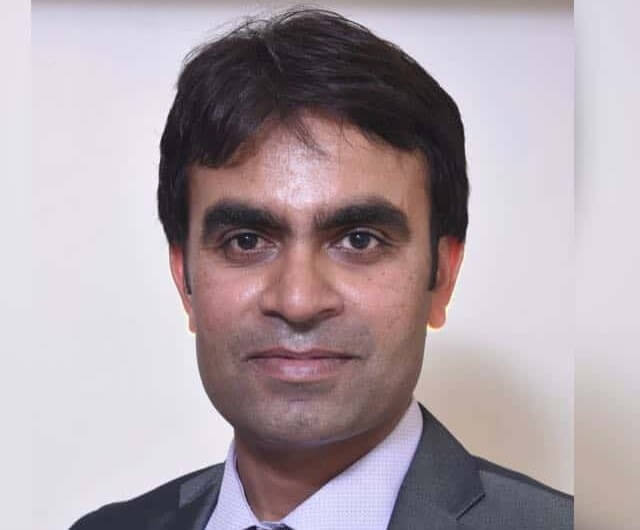 Dr Chandrakant Lahariya
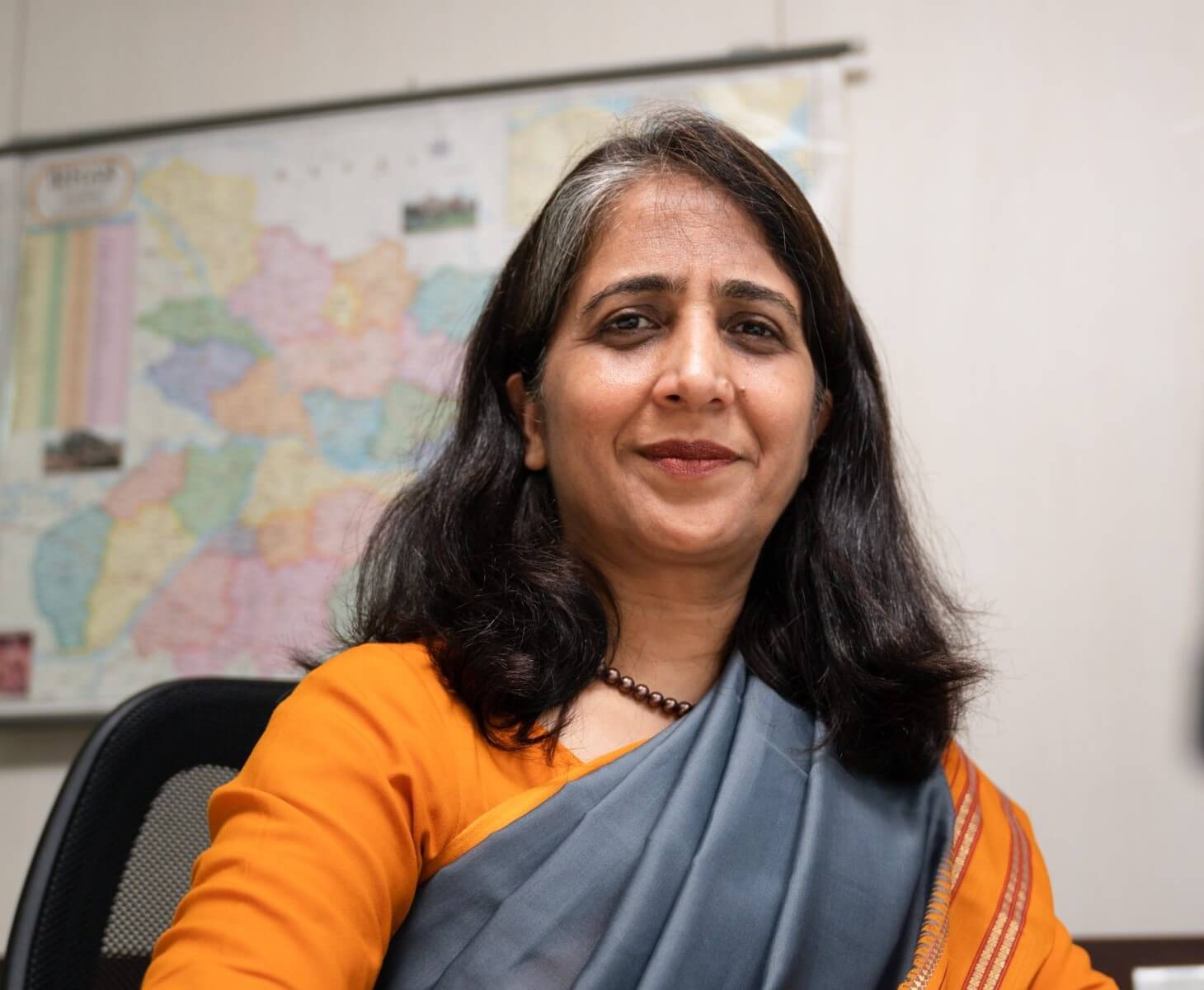 Dr Kavita Singh
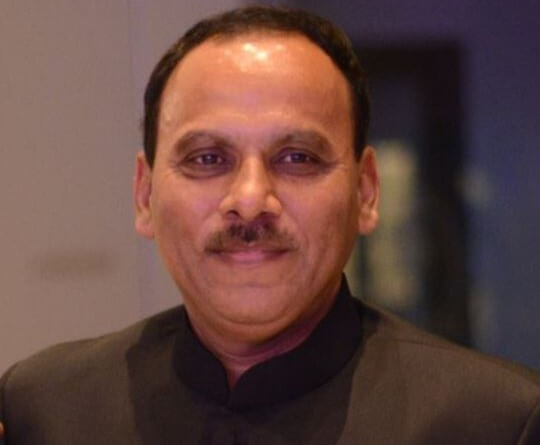 Dr Rajni Kant
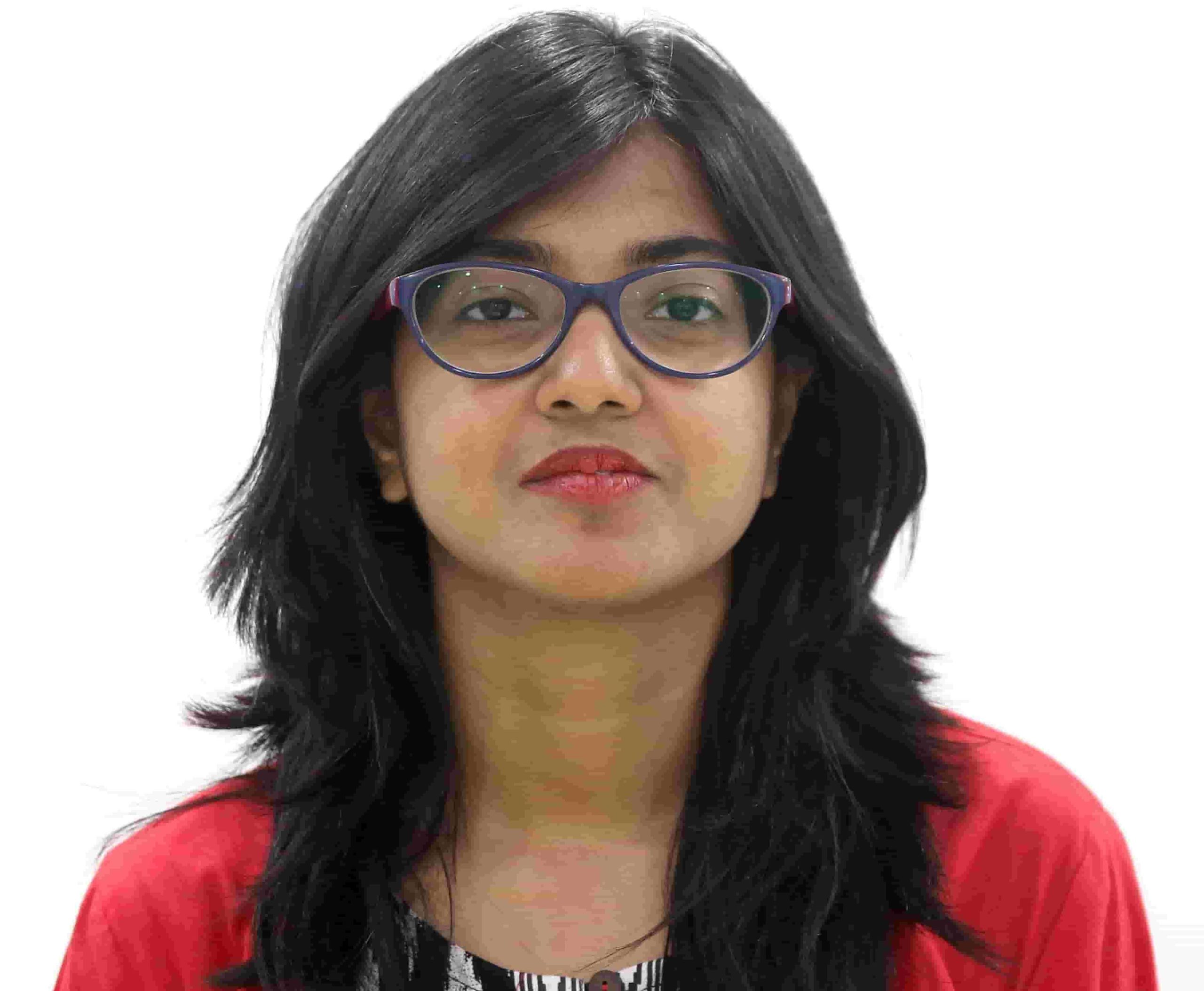 Ritwika Mitra
 Dilrukshi Handunetti
Dr Chandrakant Lahariya
Dr Chandrakant Lahariya is one of India’s leading doctors, infectious diseases and preventive medicine specialist. He is also an expert in child health and vaccines. He has worked for the World Health Organisation for over 14 years at all three levels – country office in India, regional office in Brazzaville, Africa and Headquarters in Geneva, Switzerland. He has received several prestigious awards including Indian Council of Medical Research’s ‘Dr BC Shrivastava Foundation Award’ in 2012. In 2020 and 2021, he was listed among the top 2% global researchers in the field of Pediatrics and Public Health by a Stanford University research. He is the Founding Director of Foundation for People-centric Health Systems, which is a not for profit organization in Delhi (India) which works towards reducing the burden of diseases and preventable mortalities. He is also the lead author of the bestselling book ‘Till We Win: India’s Fight Against The COVID-19 Pandemic.
Dr Kavita Singh
Dr Kavita Singh is the Director of South Asia for the Drugs for Neglected Diseases initiative (DNDi). Her distinguished career spans clinical research, public health, and the advancement of innovative delivery methods. Dr. Singh has extensive experience working with the pharmaceutical industry, government, and non-profit organizations. She previously served as the Mission Director for the National Biopharma Mission at the Biotechnology Industry Research Assistance Council (BIRAC). Prior to this role, she was the Program Director for the Multi Vaccines Development Program, a non-profit scientific research society established by the Department of Biotechnology. Dr. Singh’s career also includes positions such as Director of Business Development at Fortis Clinical Research Limited, Group Leader of Medical Affairs & Clinical Research at Ranbaxy Laboratories, and Head of Medical Affairs at Shantha Biotechnics Private Limited, Hyderabad (now Sanofi Healthcare India Pvt. Ltd.) A trained physician, Dr. Singh holds an MD in Microbiology and a Postgraduate Diploma in Epidemiology. She is a life member of the Indian Association of Medical Microbiologists and the Indian Society of Clinical Research.
Dr Rajni Kant
Dr Rajni Kant is a renowned public health expert with over four decades of experience, specializing in vector-borne diseases, particularly malaria and Japanese encephalitis (JE)/Acute Encephalitis Syndrome (AES) in Gorakhpur. As the former Director of the Indian Council of Medical Research (ICMR)-Regional Medical Research Centre (RMRC) and Scientist G and Head of Policy & Communications at ICMR Headquarters, his work has significantly advanced research management, health communication, and policy development. He has led critical initiatives such as TB prevalence surveys, COVID sero-surveys, and the Mission SHAKTTI program. Dr. Kant’s efforts extend beyond academia into social media literacy, community engagement, and historical health documentation. Recognized with numerous awards, his impactful contributions to health policy, research, and community well-being continue to inspire and shape public health.
Ritwika Mitra
Ritwika Mitra is an independent journalist and alumni of the MSF South Asia Without Borders Media Fellowship – 2022. Her work has appeared in The Fuller Project, Fifty Two, Global Health Now, Missing Perspectives, The Geographical, Open Democracy, The Wire, Article14 and Scroll. She has reported on the climate crisis, gender, caste, poverty, custodial deaths from across India. Previously, she has worked with The Indian Express, Deccan Herald, and The New Indian Express. She is the recipient of the Lorenzo Natali media prize and PII-ICRC award, and multiple grants and fellowships. In 2016, she was awarded the Chevening Scholarship to pursue a master’s degree in International Relations (gender) at University of Birmingham.
Dilrukshi Handunetti
Dilrukshi Handunnetti is an international award-winning investigative journalist, senior editor, trainer, researcher, and a rights advocate. She co-founded the Colombo-based Center for Investigative Reporting (CIR) and is presently employed as Mongabay’s Sri Lanka editor. She led the investigations desk at The Sunday Leader, and later held top editorial positions including Consultant Editor at the Weekend Express and Senior Associate Editor of the Sunday Observer. The recipient of over 15 local and international awards for her excellence in investigative reporting, covering the environment and column writing, Handunnetti has bagged the most prestigious journalism awards at home including the award for Reporting Under Special Circumstances in 2012. In June 2022, Dilrukshi won the prestigious Journalist of Courage and Impact Award presented by the Hawaii-based East West Center, and in November 2022, secured the coveted Vital Voices Fellowship offered exclusively to outstanding women leaders worldwide. Her work has appeared in the UK Guardian, Al Jazeera, The New Humanitarian, Himal Southasian, The New York Times and more. Currently, she is a columnist with the New Indian Express.
 Anant Bhan
 Bhishmaraj Srivastava
 Leena Menghaney
 Tareq Salahuddin
Anant Bhan
Dr Anant Bhan is trained as a medical doctor with a Master’s degree in Bioethics from the University of Toronto. He is an Adjunct Visiting Professor, Yenepoya (deemed to be University) in Karnataka,India. He is the Immediate Past President of the International Association of Bioethics. His work is focused on ethics and equity in health, mental health, digital health, public health ethics, research ethics, community engagement, ethics of innovative technologies and ethics training for professionals. He also serves as guest faculty in various educational institutions in India and abroad and has been a reviewer for multiple journals, conference scientific committees and international grant competitions. He serves as the Bhopal (India) hub lead and mentor for Sangath which is a not-for-profit organisation that works on making mental health services accessible and affordable.
Bhishmaraj Srivastava
A physician by qualification, Dr Bhishmaraj started his public health career at MSF in 2014 while working with Operational Centre Amsterdam (MSF-OCA). Subsequently, he pursued his Masters in Public Health and Business Administration in a dual degree program (MPH/MBA) at Johns Hopkins University, Baltimore-USA. Through Hopkins, he had the opportunity to work in Sierra Leone, Uganda, and the Philippines among others while collaborating with organisations like the Ministry of Health and Family Welfare (MoHFW)- India, National Institute of Health (NIH) – in the USA, Centers for Disease Control and Prevention (CDC)- the USA among others. His areas of interest include program management and exploring the role of innovation for healthcare systems in resource-limited settings. He is currently serving in the Strategic Medical Lead position at MSF-South Asia Executive Branch Office and the Editorial Lead for the Asia Scientific Days event.
Leena Menghaney
Leena Menghaney is a lawyer and has worked on the rights-based approach to public health, starting her career with the AIDS treatment movement to more recently contributing to efforts to increase access to COVID therapeutics and vaccines in India. She is currently the Regional Head (South Asia) and Global IP(Intellectual Property) Advisor with the Access Campaign in Medecins Sans Frontieres/Doctors Without Borders. She works to build partnerships between MSF medical/pharmaceutical experts and legal aid lawyers, the people’s health movement, feminist organisations and patient groups in the global south to increase access to affordable vaccines, medicines, and tests in low and middle-income countries for diseases like HIV, drug-resistant TB, Hepatitis, cancer, and COVID-19 for vulnerable and excluded populations. She has contributed to health journalism by regularly contributing opinions and articles to independent media.
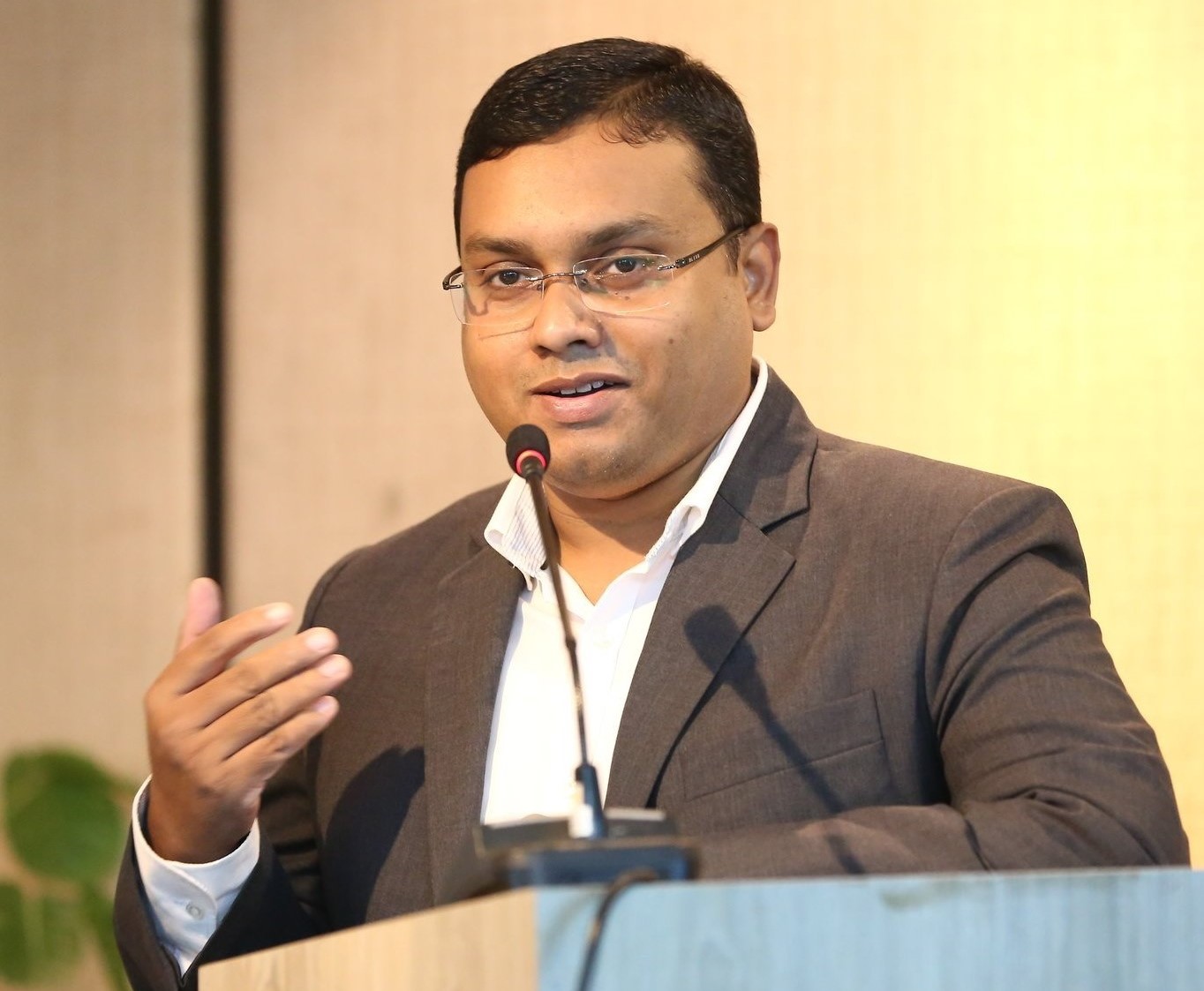
Tareq Salahuddin
Dr Tareq Salahuddin is an award-winning journalist, writer and public health professional from Bangladesh. He is currently working as Editor of the Health section in ‘The Daily Star’, the leading English daily of Bangladesh. He is the founding Editor and Special Correspondent of ‘News Hour’, an online news agency. Dr Tareq is a J2J Fellow on HIV/AIDS and a member of the International AIDS Society. He is an active advocate for the health rights of women, girls and children. He was honoured by ‘Women Deliver’ for consistent and game-changing coverage of maternal, sexual and reproductive health and rights issues at the global and national levels. He is a member of the Public Health Association of Bangladesh (PHAB). He is also a former member of the Governing Council and the Policy Committee of the World Federation of Public Health Associations (WFPHA).
RECOGNITION AND IMPACT
Mansi V., a 2024 MSF–DNDi Without Borders Media Fellow, has received the prestigious Laadli Media Award for Gender Sensitivity for her powerful story on how women navigate life with #LymphaticFilariasis. Her story highlights how women living with Lymphatic Filariasis confront stigma, silence, and systemic barriers, amplifying voices often left unheard. This highlights the impact of humanitarian health journalism that merges scientific depth with community engagement, a hallmark of the MSF–DNDi fellowship.
Read her award-winning story here: https://www.indiaspend.com/health/how-women-in-up-confront-a-neglected-diseaseand-stigma-933475#google_vignette
[home-recognition-section]