Responding to COVID-19: Global Accountability Report 5 – May to September 2021
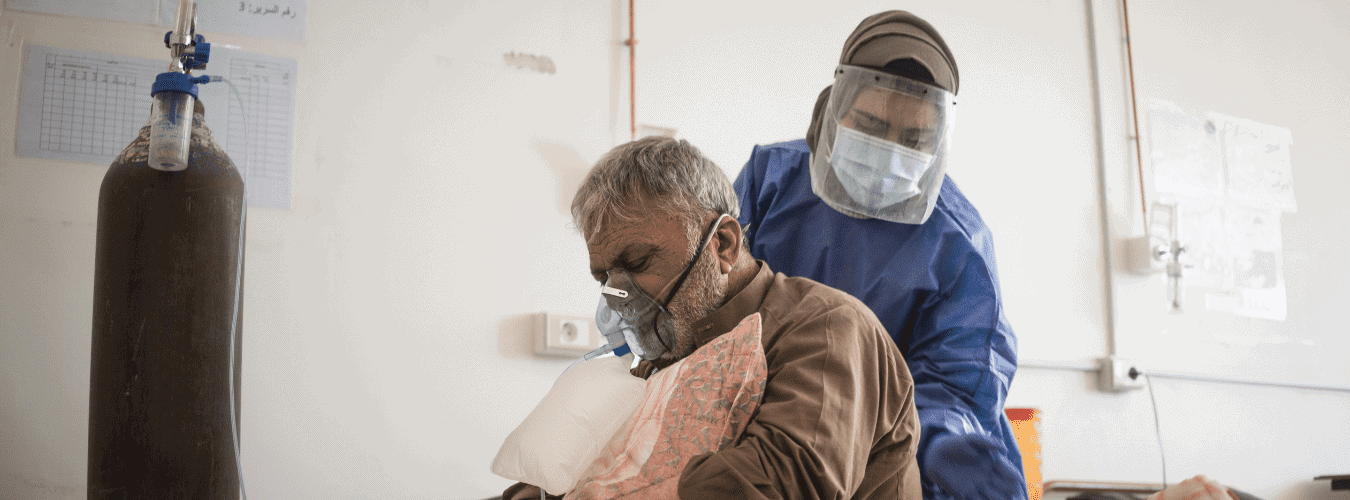
This report is the fifth of the accountability reports MSF is producing on our COVID-19 response. You can also read the first report, covering the period March – May 2020, the second report, covering the period June – August 2020, the third report covering the period September – December 2020, and the fourth report covering January to April 2021. New … Read more
Yemen: The rise of severe mental health conditions in the country

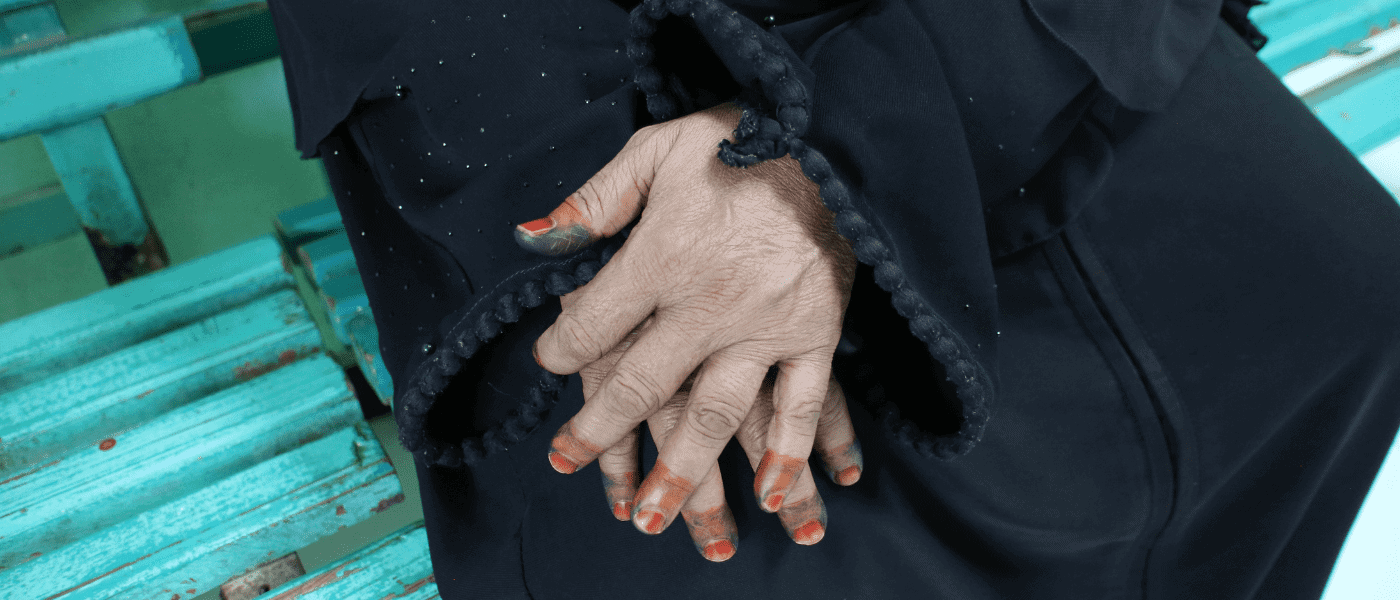
Now in its seventh year, the crisis in Yemen is no longer headline news. But the conflict continues to have a devastating impact on people’s wellbeing, and on their mental health in particular.  In Hajjah, where our teams have found a high need for mental health services, we hear from our mental health manager, Antonella Pozzi, about the complex … Read more

Manipur: MSF’s COVID-19 emergency response in Imphal old

The second wave of COVID-19 hit India at the end of March 2021. In April, Doctors Without Borders/Médecins Sans Frontières (MSF) sent doctors and nurses to work in Mumbai’s Jumbo Hospital that had a capacity for 2,000 patients. Teams also adapted regular medical projects to support patients receiving care for HIV (in Manipur), tuberculosis (TB) … Read more

MSF warns of health and humanitarian impacts of climate change in new 2021 Lancet Countdown Report

Doctors Without Borders/Médecins Sans Frontières (MSF) is paying close attention to the impact climate change will have on patients and our emergency humanitarian medical activities. We are already responding to many of the world’s most drastic crises – conflicts, disasters, disease, displacement – and are witnessing the consequences and magnified impacts that climate change and … Read more

War and conflict: Counter terrorism “adds salt to the wound” in providing medical care in conflict

Twenty years after the start of the so-called global ‘War on Terror’ [1], counter-terrorism policies and their consequences are rendering the provision of impartial medical care more dangerous and difficult. Humanitarian workers and groups must be given exemptions from counter-terrorism measures. These are among the findings of a new report, Adding salt to the wound, which Médecins Sans … Read more

Adding salt to the wound: Counter-terrorism and healthcare

It has been 50 years since Doctors Without Borders/Médecins Sans Frontières (MSF) launched our medical humanitarian work and 20 years since the start of the ‘Global War on Terror’. In those 20 years, counter-terrorism has come to define military operations far beyond those launched by the United States in response to the attacks of 11 … Read more

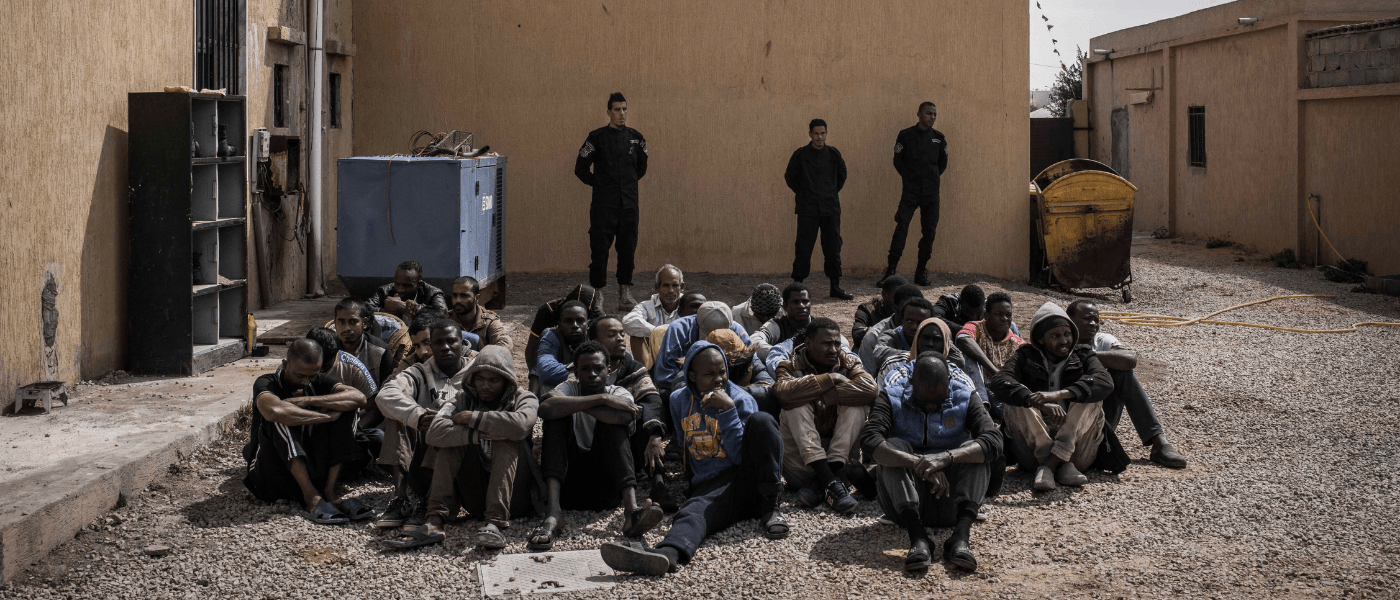
Libya: Medical care resumes in Tripoli detention centres

Almost three months after suspending medical activities in two detention centres in Tripoli, Libya, following a series of concerning incidents, Doctors Without Borders/Médecins Sans Frontières (MSF) has returned to work in these centres, to provide vital medical care for detained migrants and refugees. We have also resumed activities in a third detention centre, which we had … Read more

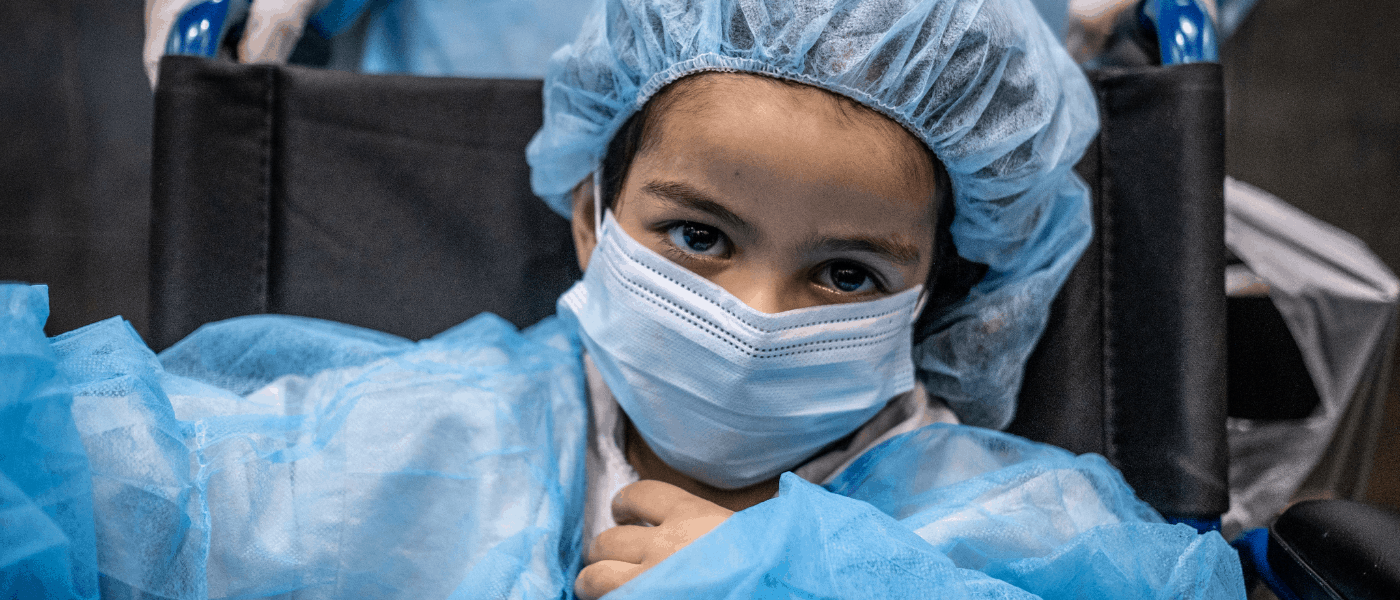
Palestine: Treating child injuries in blockaded Gaza

In the Al-Awda hospital paediatric unit in northern Gaza, Palestine, Mohammed Aboud, a father of five, comforts his four-year-old daughter Hala as she slowly wakes up after her surgery. The scene is all too familiar to Mohammed now. Over the past few weeks, Hala has already been operated on five times. On 14 July 2021, Mohammed … Read more

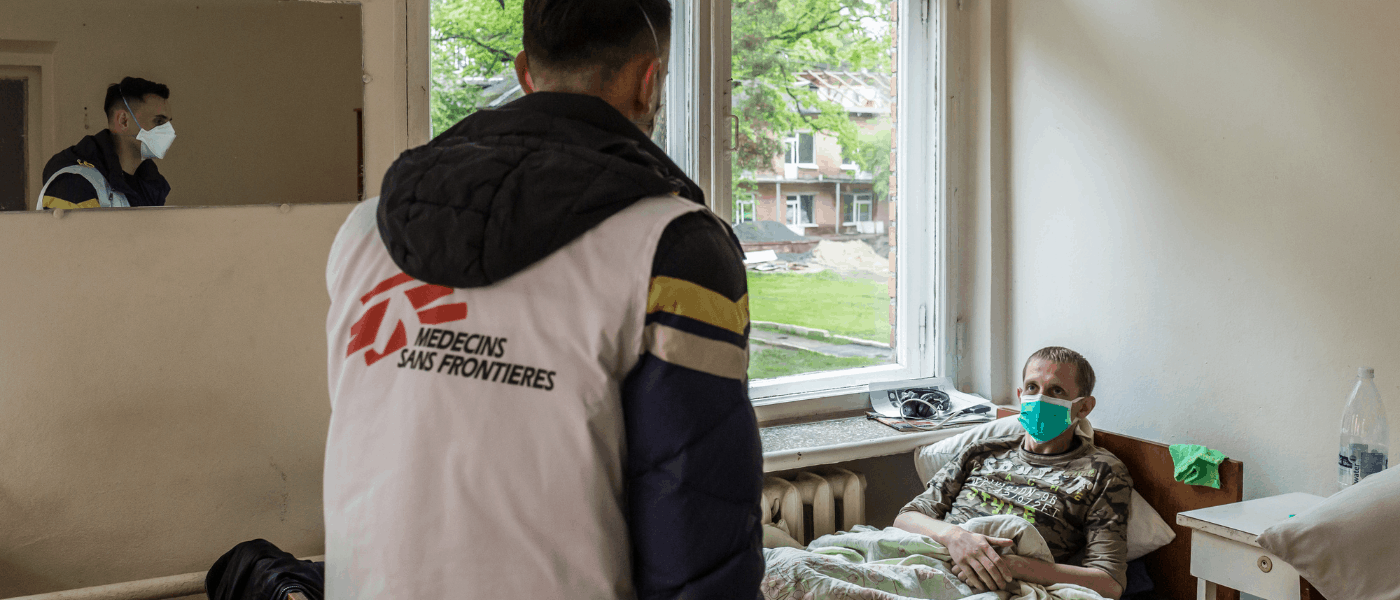
Ukraine: Fighting tuberculosis with medication, mental health and social support

In Zhytomyr, Ukraine, our teams works with the Regional TB Dispensary to treat patients who have drug-resistant forms of tuberculosis (DR-TB). They are treated with a short course of DR-TB medication and the possibility of being treated at home most of the time; meaning patients can get back to their lives, families and careers sooner. Yet, completing … Read more

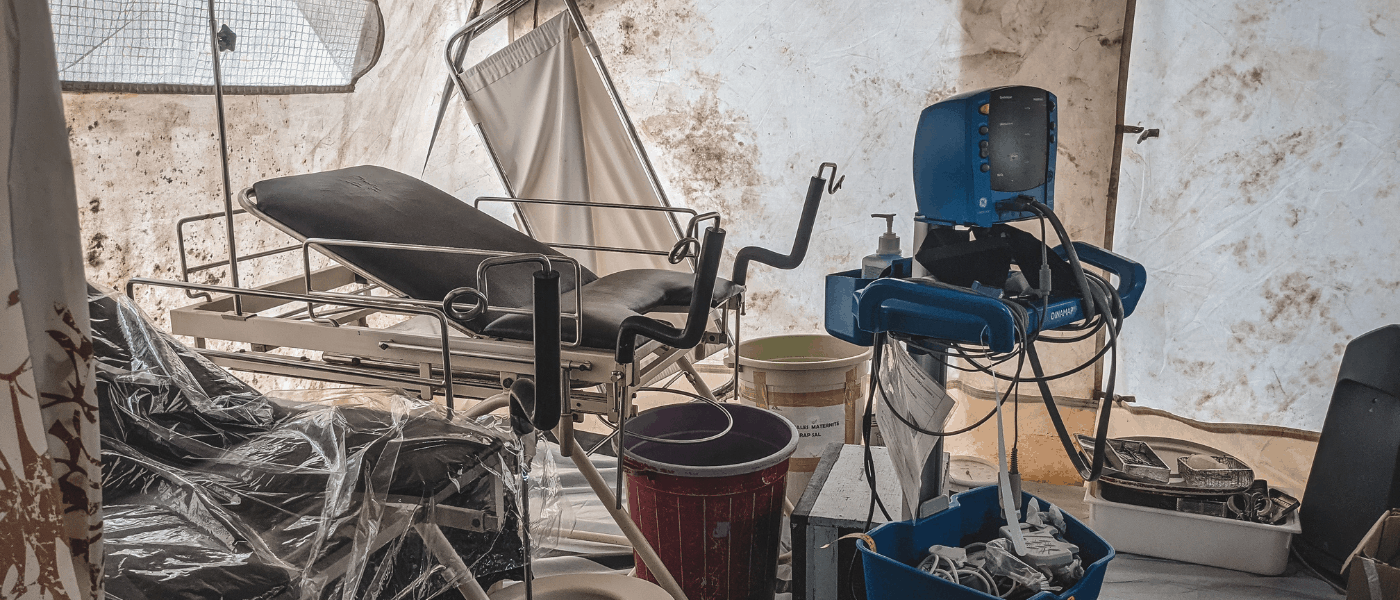
Haiti: Complex needs of earthquake survivors require continued specialised care

The greatest number of deaths and injuries from Haiti’s 14 August earthquake occurred in the country’s southernmost region, the Sud department. Prior to this disaster, hospitals and clinics were already scarce in remote areas of Sud, and the earthquake damaged or destroyed many health facilities and roadways, making it difficult for survivors in rural areas to reach … Read more