Yemen: Giving birth in the face of persistent obstacles in Taiz
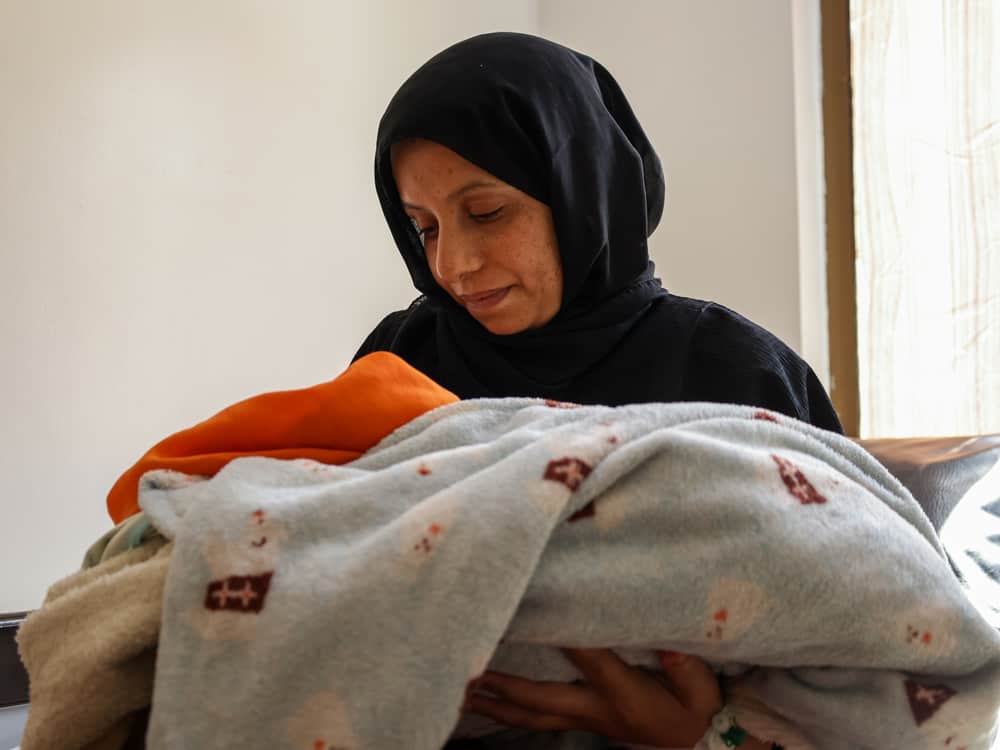
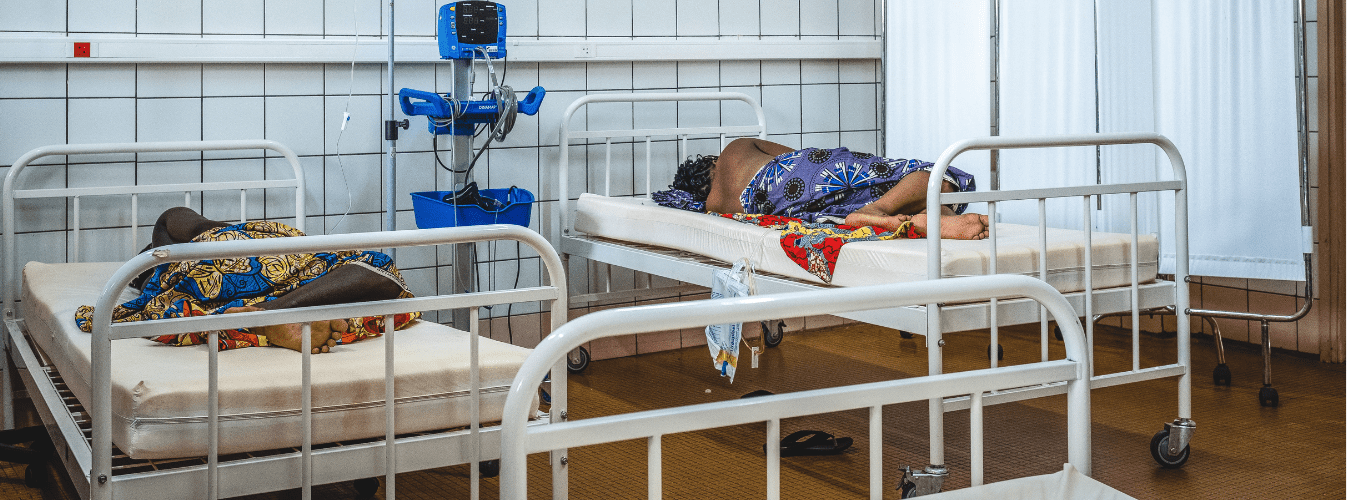
Nogood Mohammad Ahmed Shamsan was lying under the covers of her bed, exhausted. She rested her left hand on her belly trying to provide comfort while she drew long, slow breaths. Next to Nogood was her mother sitting in a chair, making sure that her daughter was comfortable and that she tended to her needs. … Read more
Pakistan: People’s need for cutaneous leishmaniasis care remains high

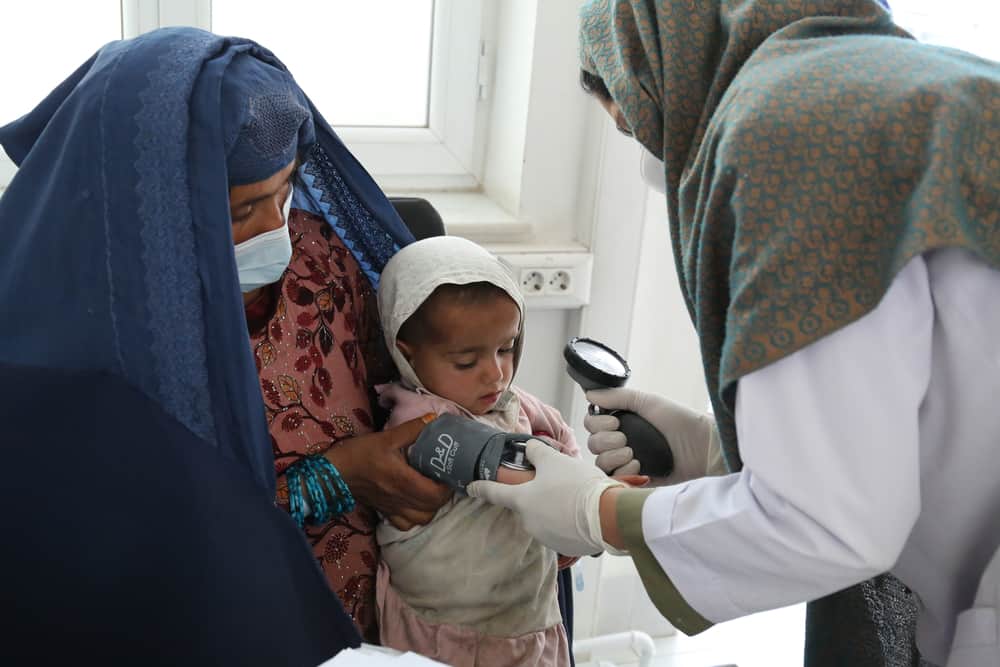
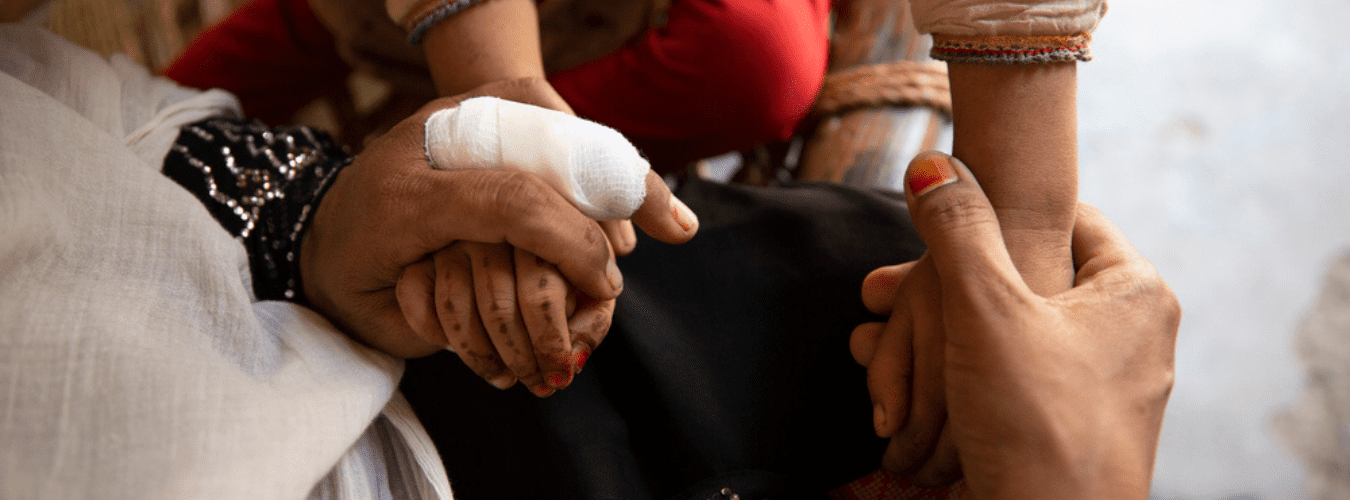
In Pakistan, the neglected tropical disease cutaneous leishmaniasis is considered a public health burden. The disease affects people’s skin and causes lesions or ulcers on the body. It is the most endemic in Balochistan and Khyber Pakhtunkwa provinces, but Sindh and central and southern areas of Punjab are also affected. Cutaneous leishmaniasis is the most … Read more

Ukraine: MSF helps survivors of Dnipro blast

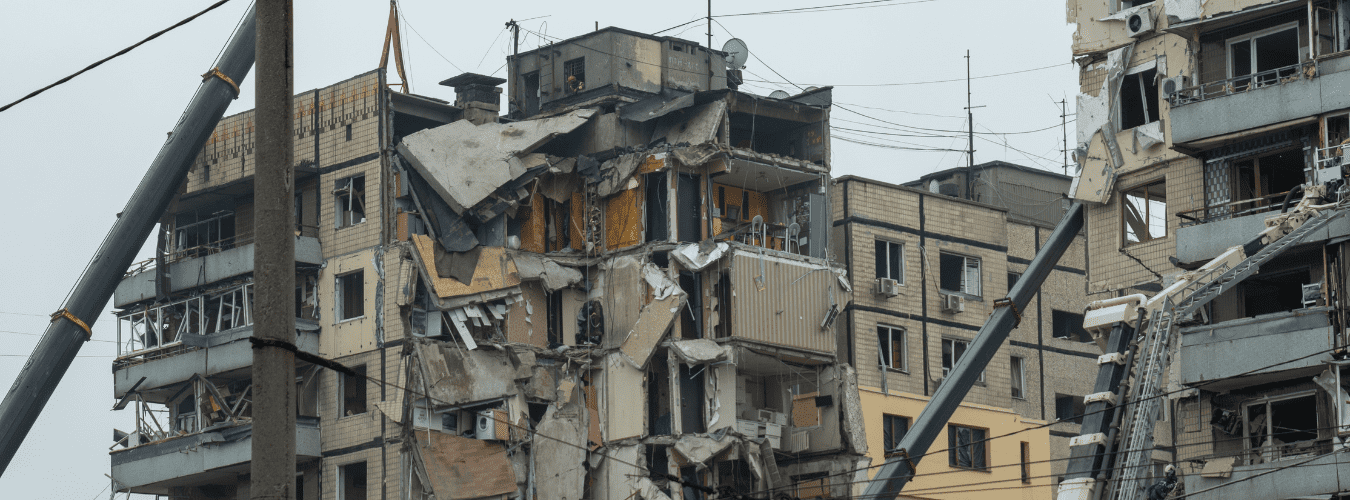
In the three days since an attack on a residential building in central Dnipro killed at least 40 people, teams from international medical organisation Médecins Sans Frontières/Doctors Without Borders (MSF) have been providing survivors with medical care, psychological first aid and essential relief items. In addition to those known to have died in the blast, … Read more

Central African Republic: “To be born or to give birth is to take a risk”: maternal and child health as a forgotten emergency

Decades of instability and armed violence in Central African Republic (CAR) have contributed to essential medical care being out of reach for many pregnant women and newborn babies. Overshadowed by the security situation in the country, tackling this everyday emergency is a priority for MSF teams. Divine has been labouring in pain for hours, her … Read more

Afghanistan: “It is difficult to know that we are something less”

The future of female patients and health workers in Afghanistan is being threatened by the recent decree issued by the Ministry of Economy prohibiting women from working for non-governmental organisations (NGOs). Though health workers, including MSF staff, are currently exempted from the ban, there is no formal assurance that they will be able to continue … Read more

The humanitarian access to northwest Syria must be ensured

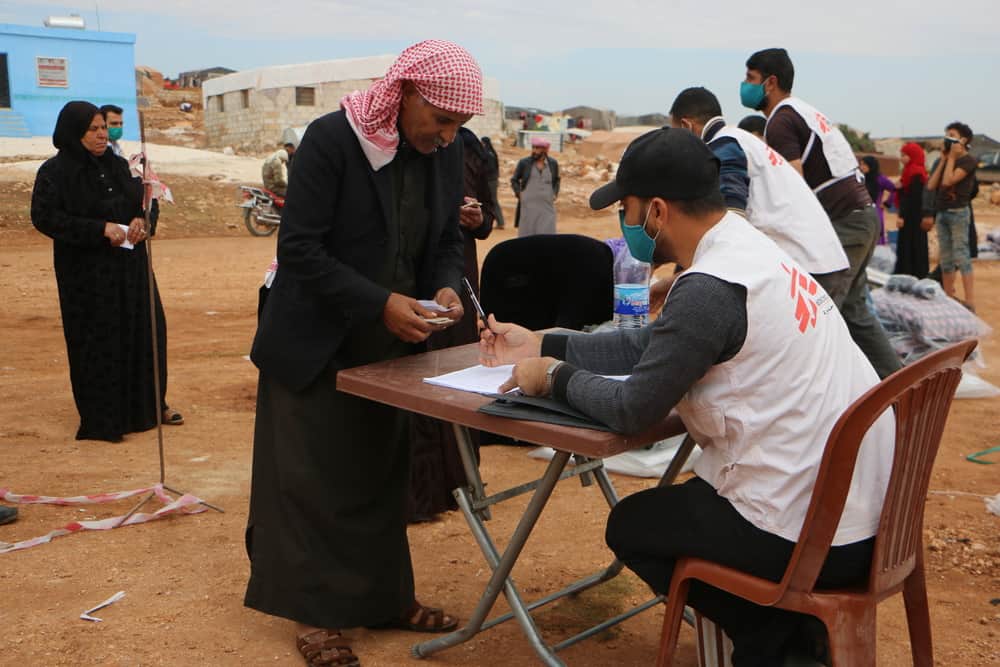
Amman, 20 December 2022 – Médecins Sans Frontières/ Doctors Without Borders (MSF) calls on the United Nations Security Council (UNSC) to renew and extend the Syria cross-border resolution (UNSCR 2642) for at least 12 months, to allow the continuing provision of humanitarian aid into northwest Syria. While we urge for continuous and enhanced support to … Read more

Catastrophic floods cause mass displacement and an escalating humanitarian crisis in South Sudan

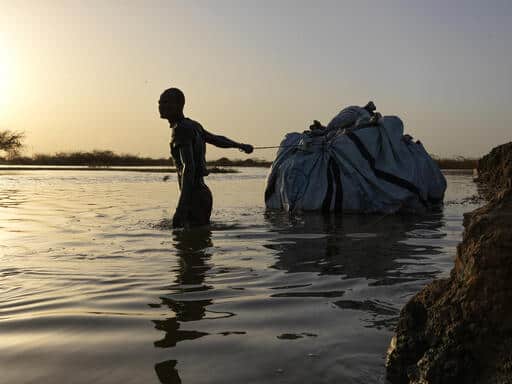
A small makeshift raft made from plastic sheeting and filled with dry grass is drifting along the Nile River’s current, on it sits an entire family of eight – the youngest just a baby. Where they will end up is hopefully not as bad as what they have left behind. On this small raft is … Read more

Pakistan: People are unable to return home and major health concerns remain months after the flooding

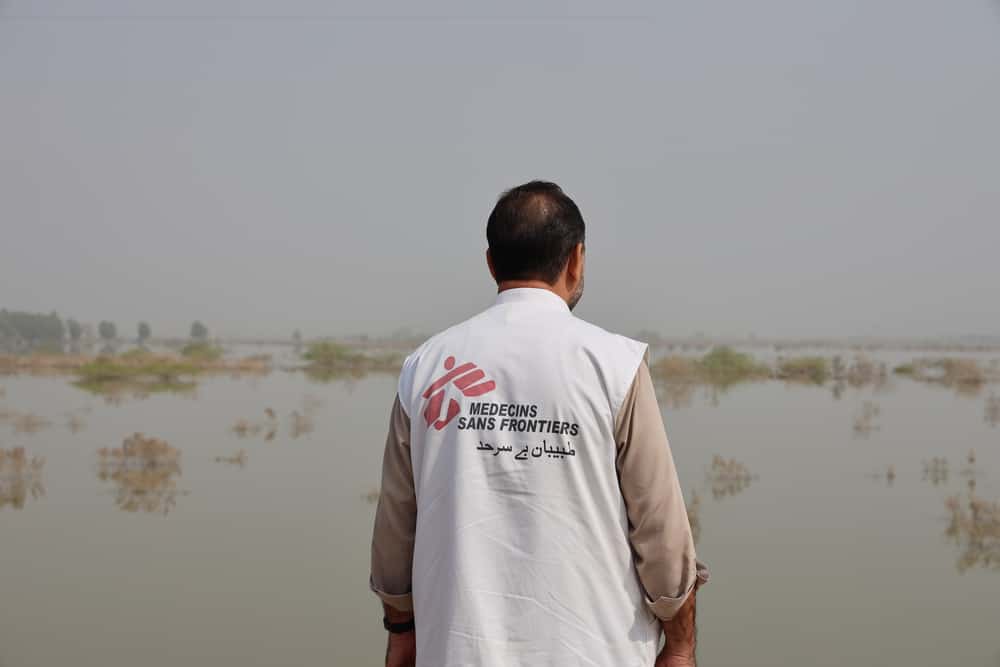
In has been more than three months since devastating floods caused vast damage across Pakistan and displaced millions, but only in recent weeks have waters started to recede and people been able to return home. Those returning to their villages are finding destroyed houses and land, still surrounded by stagnant water. Meanwhile, those remaining in … Read more

The newborn Ali and his family are safe, but the future of the other 249 survivors remains uncertain

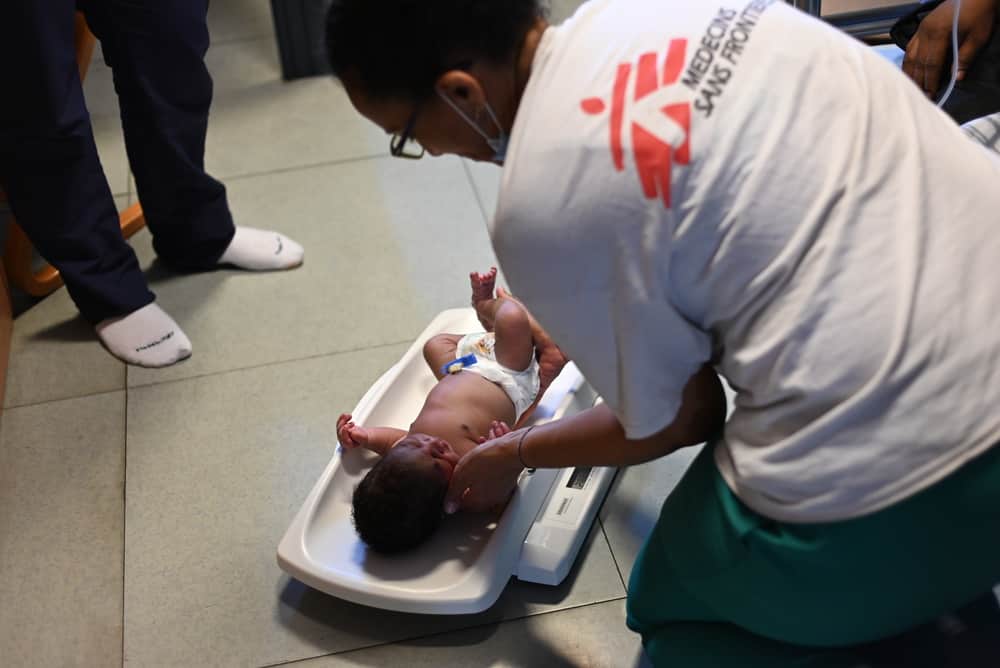
Central Mediterranean, 9 December 2022 – At 11:31 on Wednesday 7th December, little *Ali entered the world on board the Geo Barents, a search and rescue vessel chartered by Médecins Sans Frontières (MSF). His mother, Fatima*, gave birth in the small medical clinic on board, after hours of difficult labour. The pain began while she … Read more

Afghanistan: The MSF hospital in Kandahar provides hope for people with TB

Jawahira was referred to the Médecins Sans Frontières (MSF) tuberculosis (TB) hospital in Kandahar earlier this year from a clinic in Daikundi, central Afghanistan. “I used to visit private clinics, but instead of giving me TB medication, they usually just prescribed me painkillers,” she says. The cost of searching out treatment also took its toll. … Read more