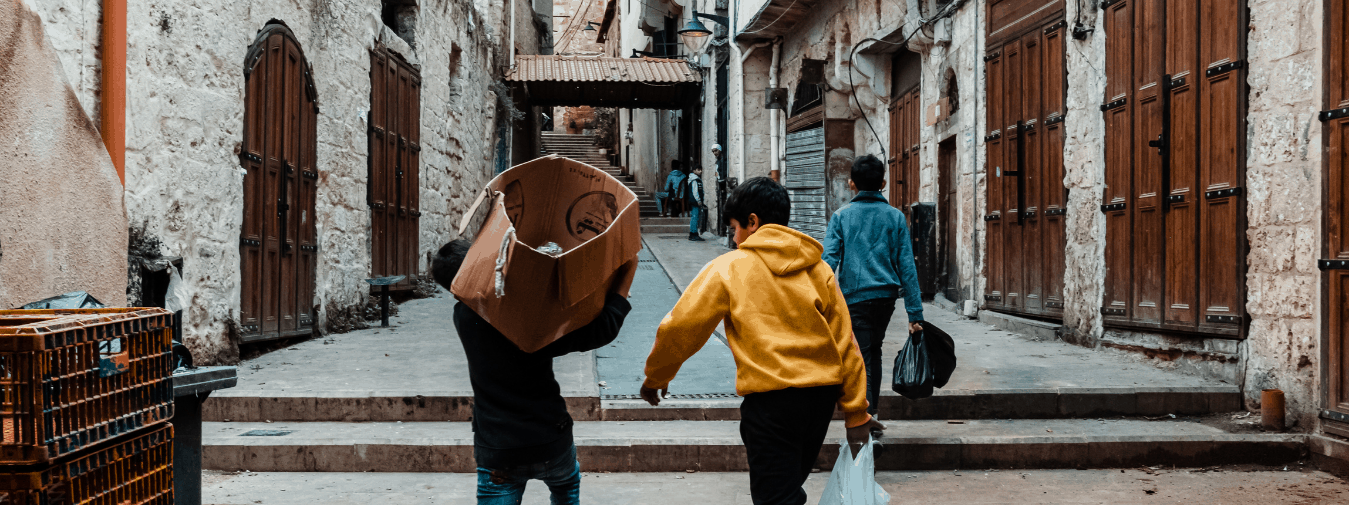
Italy: Abandoned at the borders: stories of people on the move during winter

Recent months have seen a sharp increase in the number of migrants and refugees at Italy’s northern borders. Even in winter, people head westwards across the snow-capped mountains towards France; many tell stories of being repeatedly turned back by the French police. On Italy’s eastern border, people who arrive on foot after travelling the ‘Balkan route’, making their … Read more
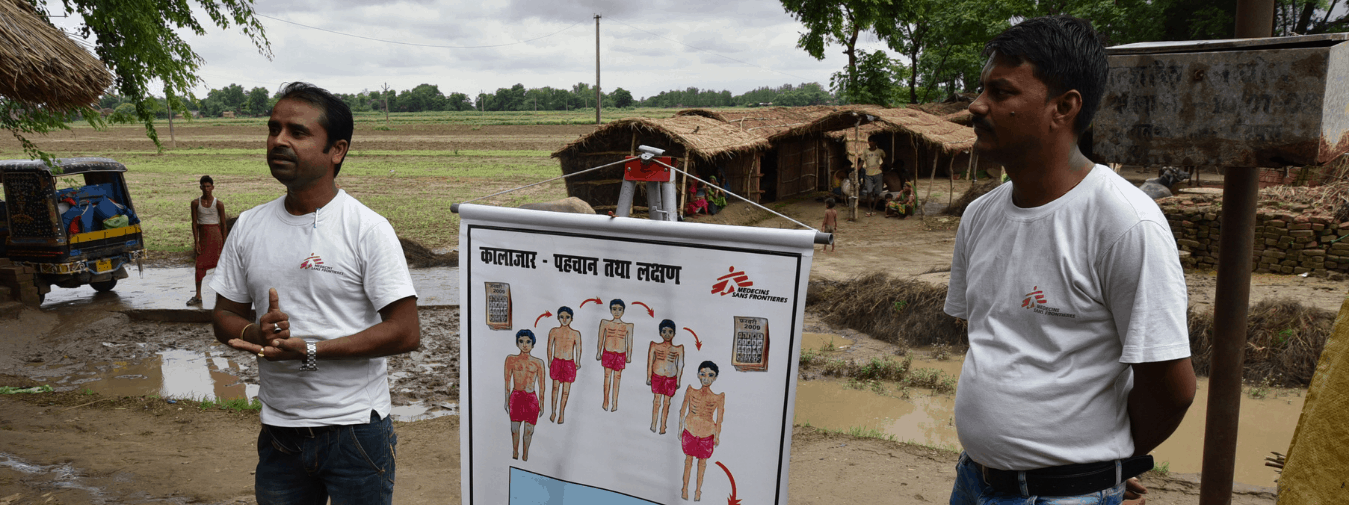
Overcoming neglect: Finding ways to manage and control NTDs

The report, Overcoming Neglect, details Doctors Without Borders/Médecins Sans Frontières’ (MSF) involvement with neglected tropical diseases (NTDs) over the last three decades. Our work includes treating patients, carrying out operational research, supporting efforts to identify new treatments and diagnostics; and playing an active role in reducing their incidence. We call for an improved global response to NTDs, … Read more

Brazil: COVID-19 leaves Amazonas health system saturated, overloaded and struggling

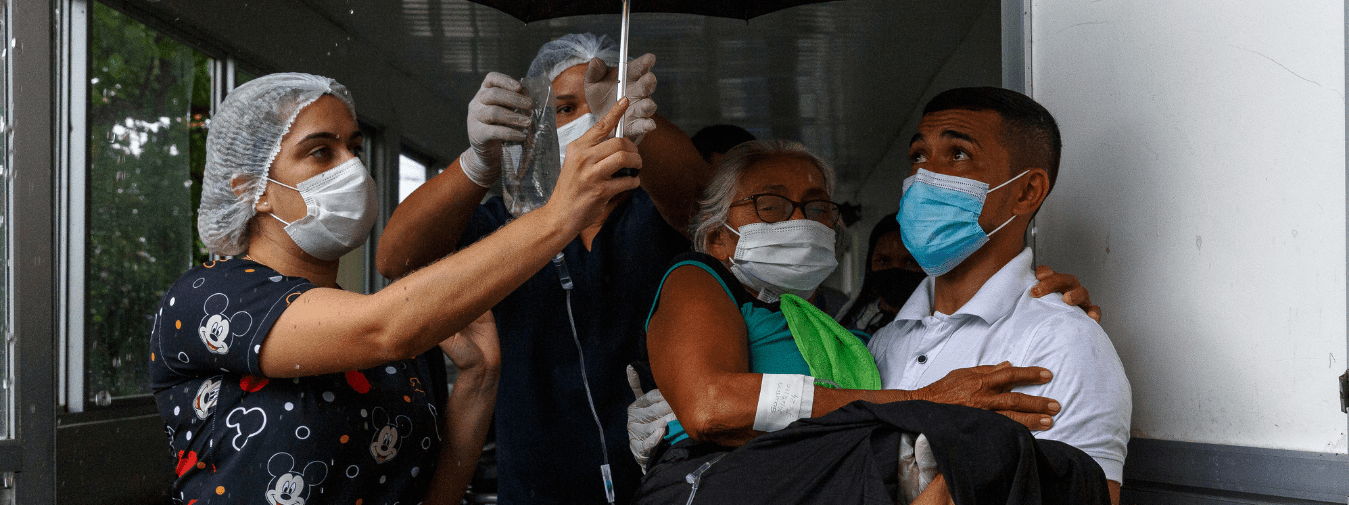
The health system in Manaus, the capital of Amazonas state, in northwestern Brazil, has collapsed for the second time. Although hospitals have been adding COVID-19 bed capacity at an astonishing rate, the numbers of new patients with the coronavirus have continued to grow even faster, meaning the entire health system is saturated and overloaded. More seriously, the city’s capacity to … Read more

Bangladesh: Relocations, reduced services leave Rohingya communities at breaking point in Bangladesh

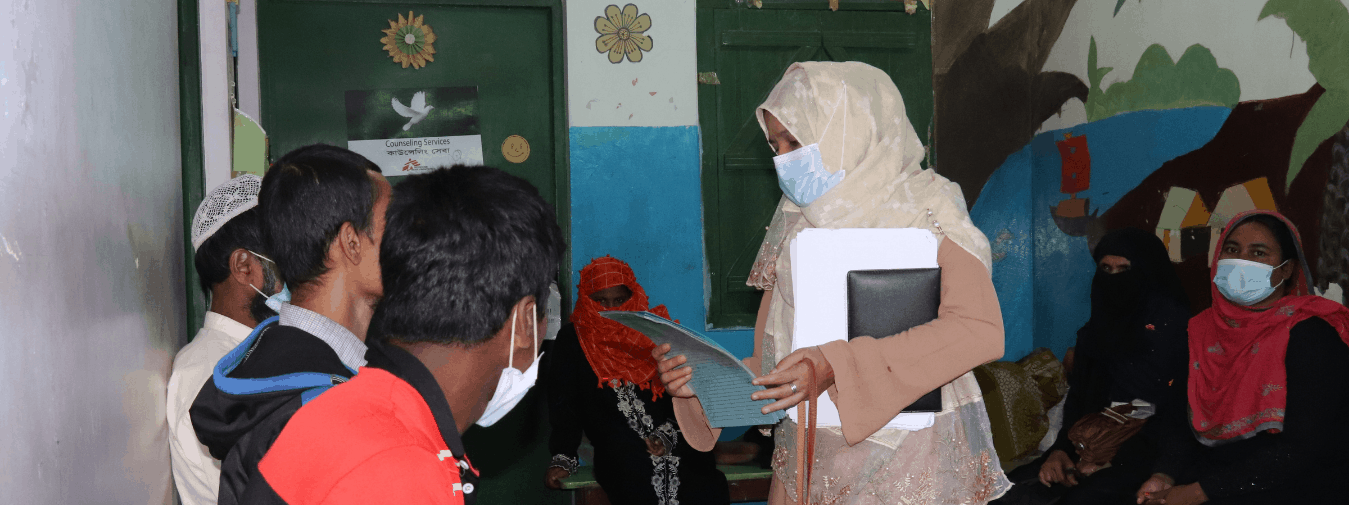
Faruk* is a Rohingya refugee – one of nearly a million – living in a camp in Cox’s Bazar, Bangladesh. “No one wants to be a refugee; the life we have here is not easy. We live in an open prison,” Faruk says. “Life for a refugee is hellish and every day is the same. I can’t … Read more

Yemen: “These sanctions have to make clear that they do not apply to humanitarian aid”

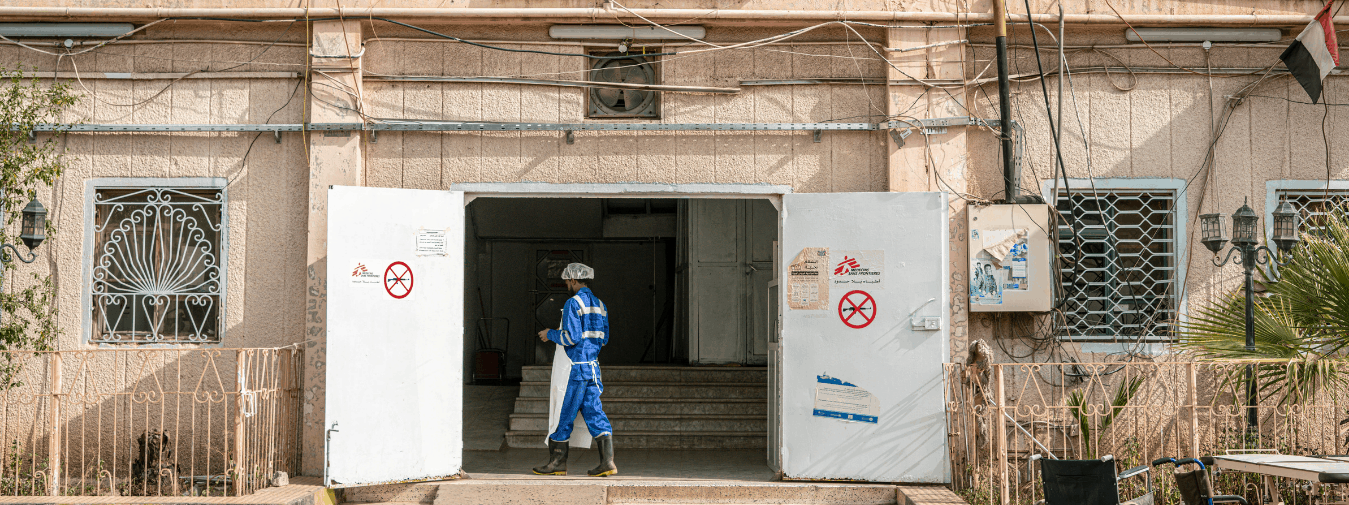
The United States government has moved to designate Ansar Allah, the Yemeni group that controls Sana’a, the largest city in Yemen, and much of the country, as a “foreign terrorist organisation”. This means that sanctions will be applied to stop people and companies working with them or the institutions they control. Marc Schakal, MSF’s programme manager for Yemen, … Read more

Access to medicines: Will history repeat itself?

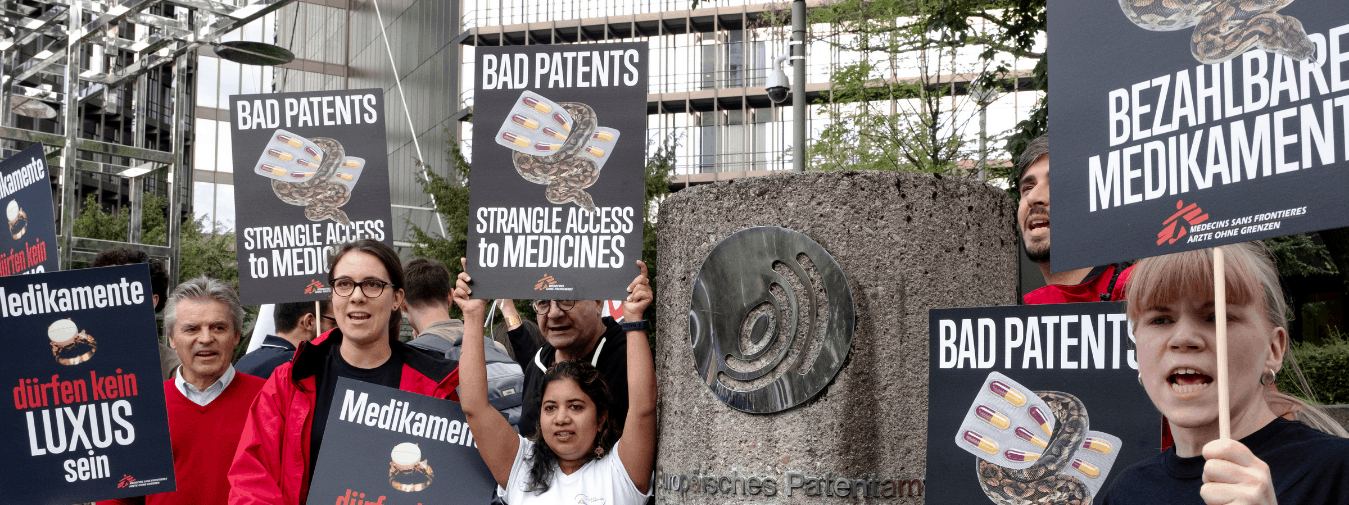
Rebutting pharma’s rejection of a global COVID-19 IP waiver By Felipe Carvalho, Yuanqiong Hu, Leena Menghaney In response to the COVID-19 “TRIPS waiver” proposal submitted by South Africa and India for a temporary waiver from certain pharmaceutical intellectual property (IP) obligations at the World Trade Organization (WTO), Thomas Cueni, the director-general of the International Federation of Pharmaceutical … Read more

Ethiopia: Providing assistance to people in Ethiopia and Sudan in wake of Tigray violence

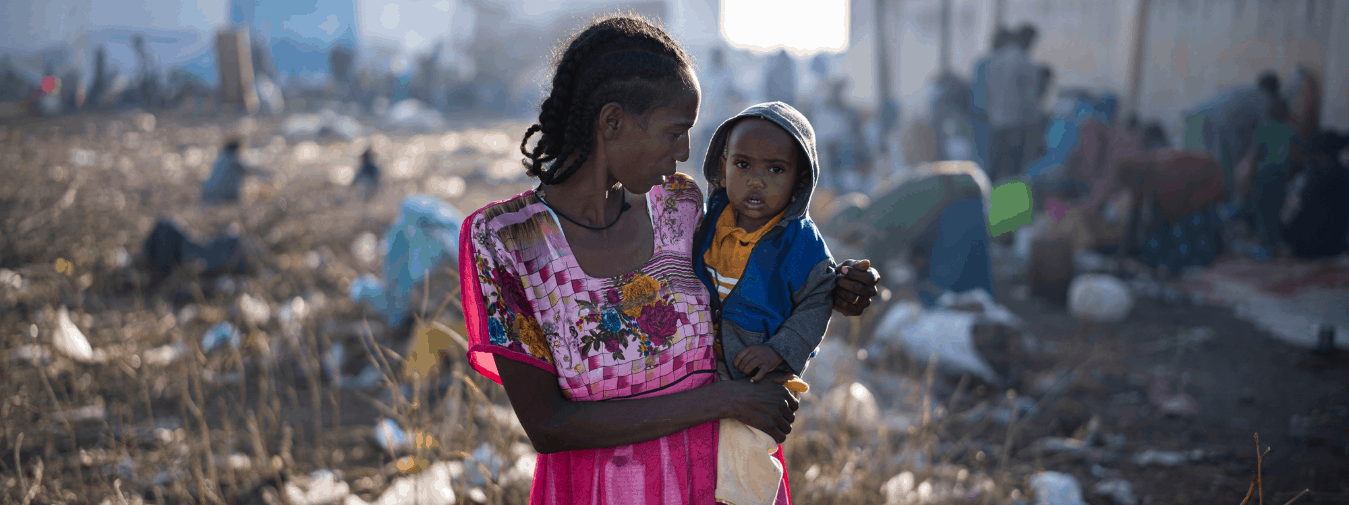
Hundreds of thousands of people have been forced to leave their homes in the Tigray region of northern Ethiopia after fighting broke out in early November 2020, according to OCHA [1]. Some 50,000 people have crossed into Sudan as refugees, while many others are displaced within the region, staying in towns, remote areas or trapped between localised … Read more

Lebanon: Overlapping crises in Lebanon increase needs and worsen access to care

Since late 2019, Lebanon has been grappling with its worst economic crisis in decades, social unrest and political turmoil. On top of that, and following the arrival of the COVID-19 pandemic at the start of 2020, a major explosion tore through the capital, Beirut, in August. These overlapping crises have exacerbated people’s vulnerability and pushed thousands into poverty. All this … Read more

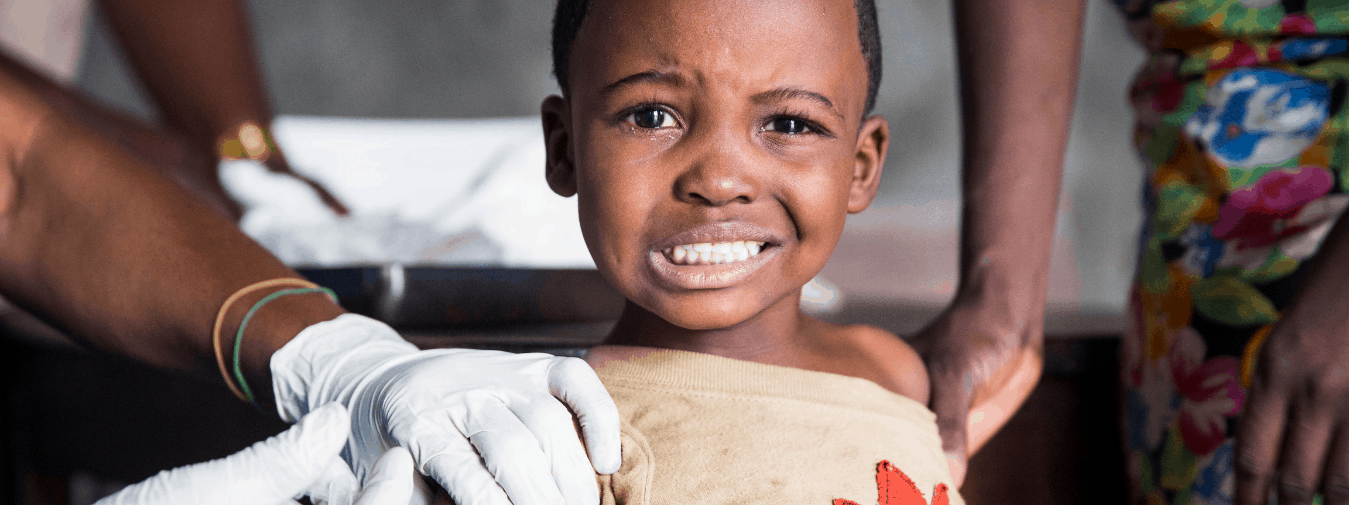
Yellow Fever: Fractioning doses of yellow fever vaccine can help save more lives

NEW YORK/PARIS – Giving people a fraction of a yellow fever vaccine is effective and could help vaccinate millions more people during emergencies, according to results of a recent study led by Doctors Without Borders/Médecins Sans Frontiéres’ (MSF) research arm Epicentre, published in The Lancet. These clinical trial results, which found that giving a person one-fifth of the standard … Read more

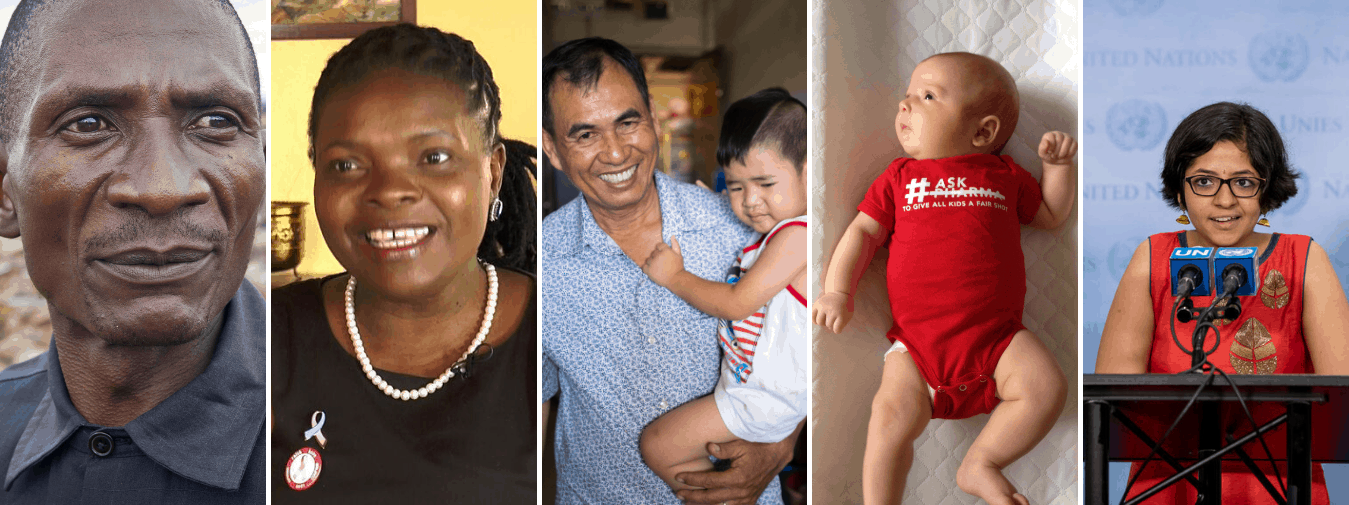
Access to medicines: Five people, five reasons we need to overcome monopolies on medicines

Charles, Tobeka, Din, Nandita, and baby ‘Janey’. Four of these people have struggled for their lives. One of them has lost her life. All because pharma companies put profits before people. This is what can happen when companies get hold of patents and other monopolies on medicines and then exploit them to make money. The patents surround the medicine … Read more