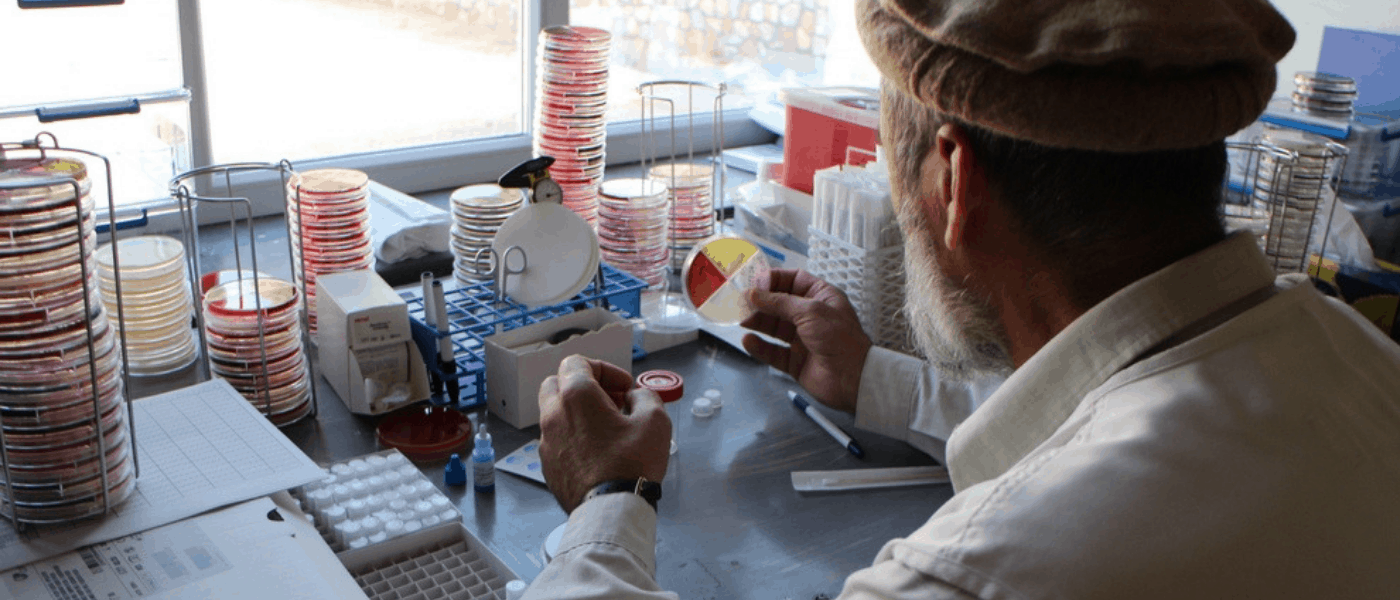
MSF Scientific Day – Asia 2019 took place on 8 July 2019 at The Suryaa, New Delhi
08:30 – 09:00 | Registration
09:00 – 09:05 | Welcome
Farhat Mantoo, Interim General Director, Médecins Sans Frontières (MSF) India
09:05 – 09:15 | Introduction
Animesh Sinha, Clinical Trial Coordinator, Médecins Sans Frontières (MSF) TB-Practecal Minsk, Belarus
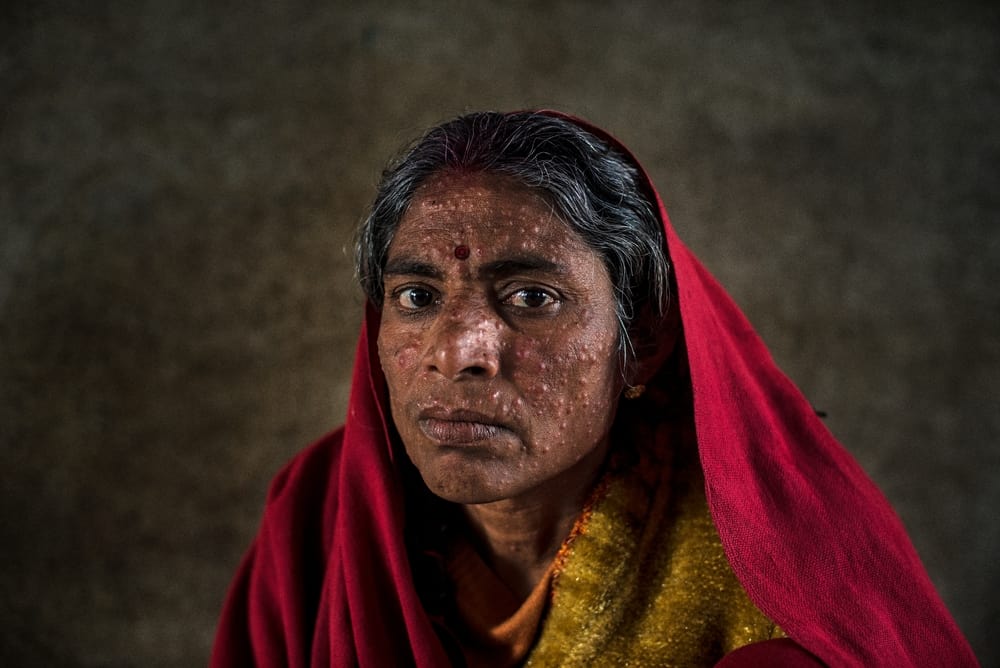
09:15 – 10:10 | Session 1: Kala Azar – Putting the spotlight on the black fever
Chair introduction: Raman R. Gangakhedkar, Indian Council of Medical Research, Delhi, India
- 09:20 – 09:35 | Quality of Life for patients co-infected with Kala Azar and HIV: a qualitative study from Bihar, India
Pragya Kumar, All India Institute of Medical Sciences, Patna, India
- 09:35 – 09:50 | Liposomal amphotericin B as monotherapy and in combination with miltefosine for treatment of Visceral Leishmaniasis in HIV-positive patients: a randomised trial from Bihar, India
Krishna Pandey, Rajendra Memorial Research Institute of Medical Sciences, Patna, India - 09:50 – 10:10 | Discussion and Q&A
10:10 – 10:25 | Break and Poster Presentation
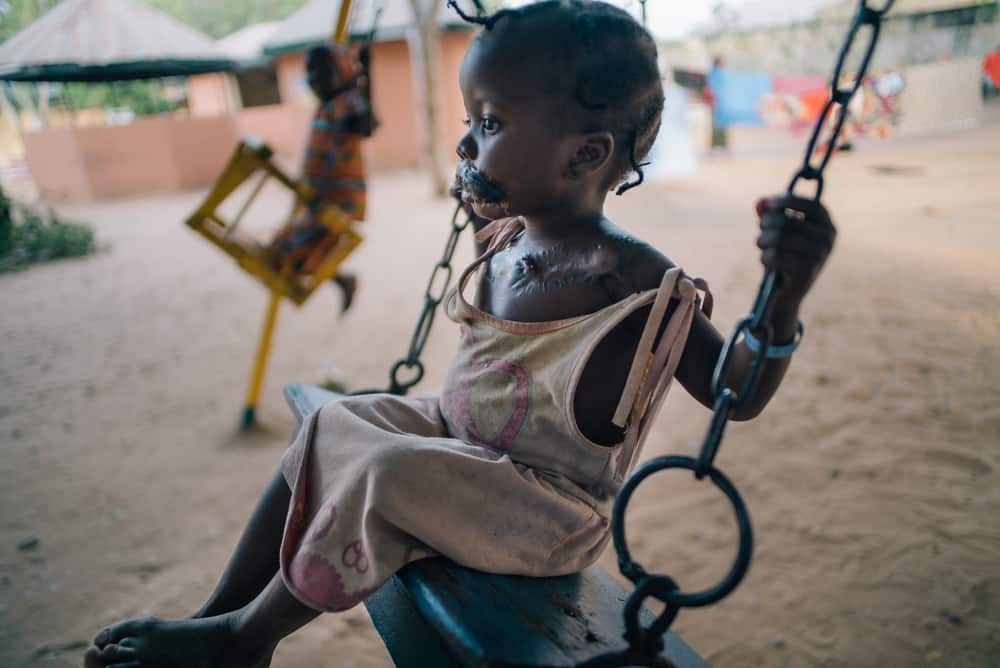
10:25 – 11:30 | Session 2: Forgotten and Stigmatised
Chair introduction: Leena Menghaney, Head – South Asia, MSF Access Campaign
- 10:40 – 10:55 | Prevalence of and beliefs about noma in northwest Nigeria: a mixed-methods study
James Jesudasan, MSF, Sokoto, Nigeria - 10:55 – 11:10 | Refused and referred: persistent stigma and discrimination amongst people living with HIV in Bihar, India
Pragya Kumar, All India Institute of Medical Sciences, Patna, India - 11:10 – 11:30 | Discussion & Q&A
11:30 – 12:15 | Keynote: ‘Our planet is the patient now!’ by Jonathan Jennings, Health in Harmony
Chair introduction: Farhat Mantoo, Interim General Director, Médecins Sans Frontières (MSF) India
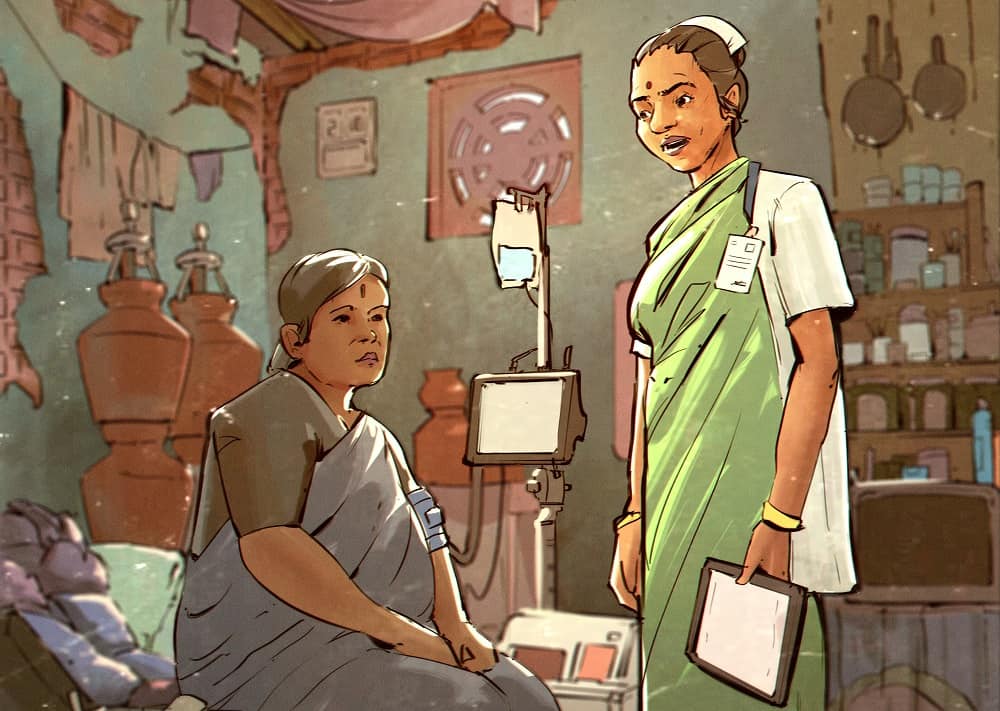
12:15 – 12:25 | Invitation to ‘HUM.2035’ exhibition
HUM.2035 is a speculative design project looking at the future of humanitarian work in India, intended to question our respective understandings of humanitarian aid and its place in a global landscape.
12:25 – 13:15 | Break & Poster Presentation
13:15 – 14:25 | Session 3: Gearing up for the biggest fight – Drug resistance and expensive drugs
Chair introduction: Suman Rijal, Drugs for Neglected Diseases Initiative (DNDi)
- 13:20 – 13:35 | ‘Without antibiotics, I cannot treat’ – prescribing practices in West Bengal, India: a mixed methods study
Amit Harshana, Médecins Sans Frontières (MSF), New Delhi, India - 13:35 – 13:50 | Patterns of antimicrobial resistance from a post-operative care program in the post-war phase: a retrospective analysis from Mosul, Iraq
Farah Hossein, Médecins Sans Frontières (MSF), Baghdad, Iraq
- 13:50 – 14:05 | Cost-effectiveness of screening and treatment using direct-acting antivirals for chronic Hepatitis C virus in low- and middle-income settings
Peter Vickerman, University of Bristol, Bristol, UK
- 14:05 – 14:25 | Discussion and Q&A
14:25 – 15:10 | Keynote: ‘Choosing when you don’t have a choice’ by Shilpa Shroff, International Campaign for Women’s Right to Safe Abortion
Chair introduction : Helen O’Neil, Interim Head of Communications, Médecins Sans Frontières (MSF) India
Introduction by Andreza, Médecins Sans Frontières (MSF), Cox’s Bazaar, Bangladesh
15:10 – 15:25 | Break
15:25 – 16:20 | Session 4: Palliative care beyond borders – Every single act of kindness matters!
Chair introduction: Seema Rao, Manipal Academy for Higher Education
- 15:30 – 15:45 | “Nothing in the world can serve those people like palliative care”: a qualitative analysis of refugee and provider experiences in Jordan, Rwanda and Bangladesh
Rachel Yantzi, McMaster University, Hamilton, Canada - 15:45 – 16:00 | Implementing neonatal palliative care in Afghanistan
Mohammad Fahim Omar, Médecins Sans Frontières (MSF), Kabul, Afghanistan
- 16:00 – 16:20 | Discussion and Q&A
16:20 – 17:00 | Conclusion
- Vote of thanks: Monique Kamat, President, South Asia Regional Association, Médecins Sans Frontières (MSF)
- Closing and feedback: Animesh Sinha, Clinical Trial Coordinator, Médecins Sans Frontières (MSF), TB-Practecal Minsk, Belarus
17:00 – 18:00 | High Tea
Posters on display
Malnutrition in Jharkhand, India: an anthropological study of perceptions and care practices
I Chaand1, M Horo1, M Nair2, A Harshana2, R Mahajan2, F Falero3, V Kashyap4, M Escruela3, S Burza2, R Dasgupta1
1Jawaharlal Nehru University, New Delhi, India; 2Médecins Sans Frontières (MSF), New Delhi, India; 3MSF, Barcelona, Spain; 4Rajendra Institute of Medical Sciences, Ranchi, India
D Burtscher1, D Vambe2, PJ Bjertrup3, V Dlamini3, N Mmema3, S Ngwenya2, B Rusch4, B Kerschberger3
1Médecins Sans Frontières (MSF), Vienna, Austria; 2National Tuberculosis Control Program, Manzini, Eswatini; 3MSF, Mbabane, Eswatini; 4MSF, Geneva, Switzerland
Implementation of the Robson classification of births, Dasht-e-Barchi Hospital, Afghanistan
MK Ghalib1, W Mukhtar1, C Fotheringham2, MF Omar1, H Hemat1, F Afzal1, D Deslandes1, N Morton2, E Adel1
1Médecins Sans Frontières (MSF), Kabul, Afghanistan; 2MSF, Sydney, Australia
M Bullens1, A de Cerqueira Melo1, S Raziq2, J Lee1, G Ghuttai Khalid3, L Di Stefano1, S Nawaz Khan2, A Ur-Rehman2, E Lee1, R Auat1, S Mohammad Zeeshan4, K Wahab4, A Zada5, A Williams1, G Benedetti1, J Gil Cuesta1
1Médecins Sans Frontières (MSF), Brussels, Belgium; 2MSF, Timurgara, Pakistan; 3MSF, Islamabad, Pakistan; 4Agha Khan Laboratory, Karachi, Pakistan; 5Ministry of Health, Timurgara, Pakistan