Juba, 21 February 2024 – A humanitarian crisis is escalating in Bulukat and Renk, two of the busiest transit sites in South Sudan’s Upper Nile state, warns international medical organisation Médecins Sans Frontières/Doctors Without Borders (MSF) today. Thousands of people who escaped the conflict in Sudan are desperately short of essentials including clean water, food, shelter and healthcare. Overcrowded and unhygienic living conditions in the transit sites further increase the risk of disease outbreaks, warns MSF
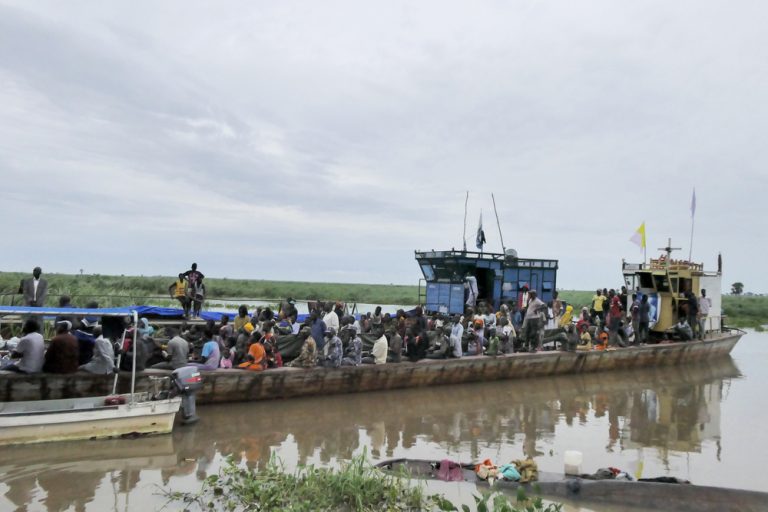
Since the war in Sudan broke out last April, more than half a million people have fled to South Sudan, of whom around 80 per cent are South Sudanese returning to their country of origin. Many have no clear destination and spend weeks or even months in and around the transit centres, struggling to survive with a scarcity of humanitarian aid.
We are deeply concerned about the situation at the transit sites at a time when more people are expected to arrive due to intensified fighting in Sudan. Given the growing impact of the Sudan crisis on people’s humanitarian needs in South Sudan, there is a pressing need to expand the delivery of aid. MSF urges international organisations and the authorities to strengthen humanitarian assistance to alleviate the suffering of those people affected by the crisis.
Zakaria Mwatia
MSF head of mission in South Sudan
Renk has two transit sites, both of which are dangerously overcrowded, with almost 30,000 people living in an area meant to host no more than 12,000 people. The transit site at Bulukat is smaller – it has consistently hosted around 5,000 people at any given time since last July – but people’s living conditions are equally harsh. Many families fled their homes with few or no belongings, and are now vulnerable to hunger, malnutrition and disease, exacerbated by inadequate shelter and the lack of clean water and sanitation facilities.
The Bulukat transit centre hosts thousands of returnees living under temporary shelters. Their living conditions are deplorable as the now muddy terrain heightens their life with onset of diseases

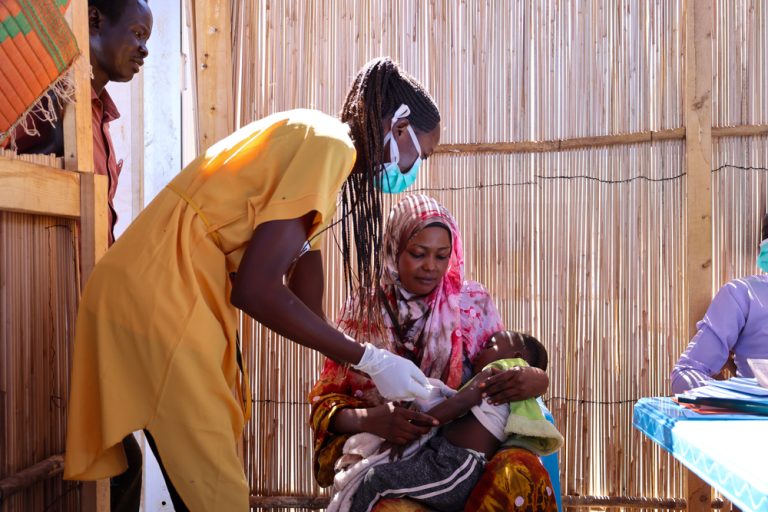


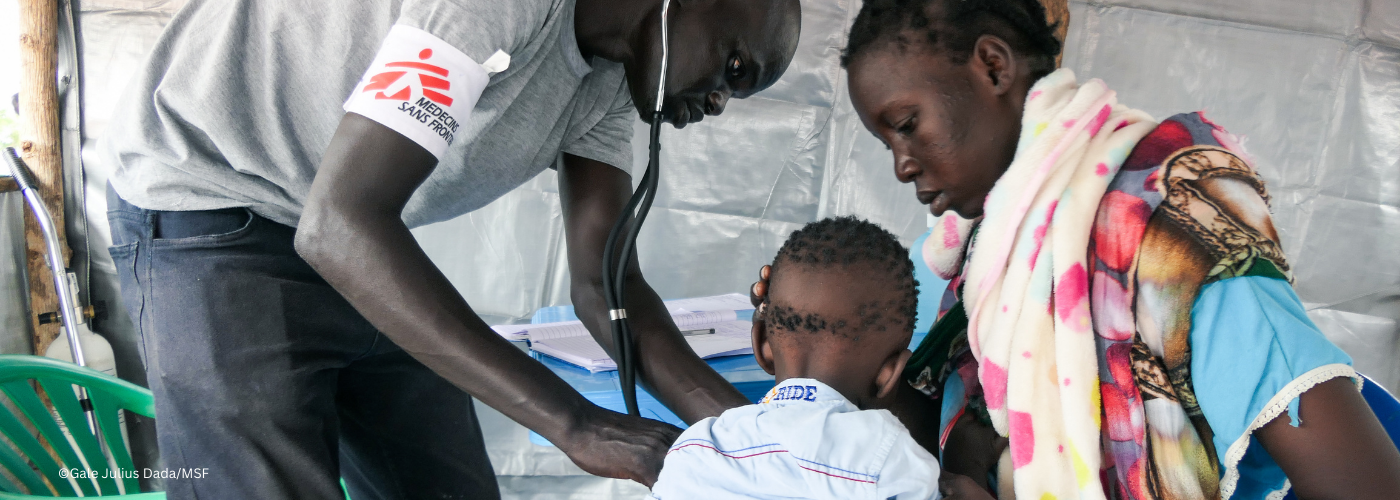
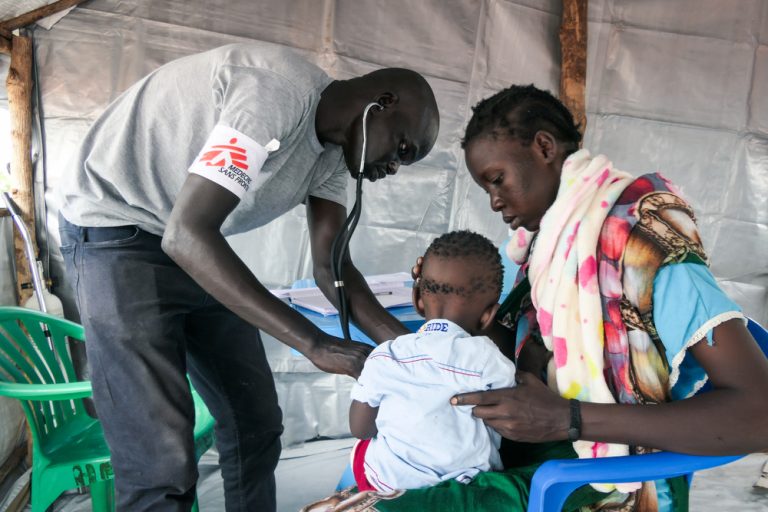
MSF teams have been running two mobile clinics in Renk since May and one in Bulukat since July to provide basic healthcare to returnees, refugees and host communities. Treating around 150 patients every day, the mobile clinic in Bulukat alone has provided over 28,000 outpatient consultations.
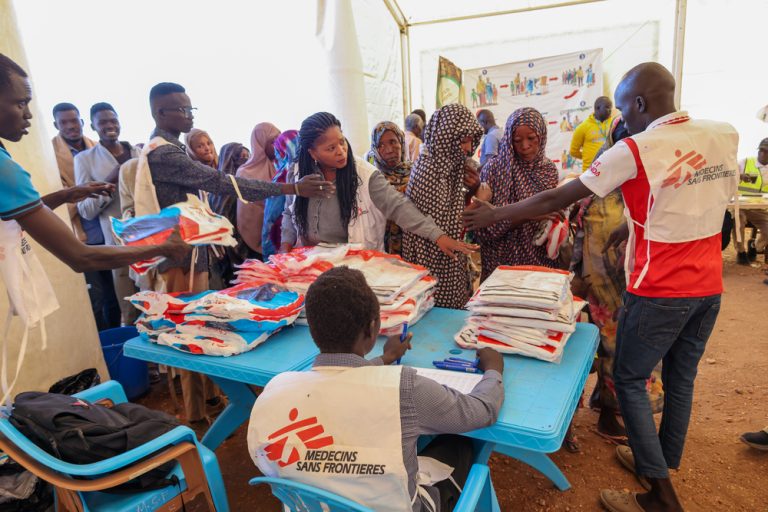
MSF teams are also supporting the paediatric ward and inpatient treatment facility for malnourished children in Renk Civil Hospital. In 2023, MSF teams responded to outbreaks of measles, treated alarming numbers of malnourished children, and responded to a rise in malaria cases among people staying in the transit sites. During the rainy season, the number of positive malaria cases reached 70 per cent, as most displaced people could not afford to buy mosquito nets and had no access to preventive treatment. MSF distributed 44,730 mosquito nets to new arrivals at the transit sites between November 2023 and January 2024
Many people are living outside the transit sites because there is not enough space inside. Some are living outside in the open fields, so they don’t have blankets or a place to sleep. The only things they use as covers are the mosquito nets provided by the MSF teams.
Mpumi Zokufa
MSF health promotion manager in Renk
In the two transit sites in Renk, the water shortage is critical. Each person has a maximum of 11 litres of water per day, when the recommended quantity in emergencies is 20 litres per day to keep someone healthy. Many people resort to using river water for drinking and day-to-day use, exposing themselves to the risk of waterborne diseases.
MSF teams are on alert to respond to outbreaks of measles and waterborne diseases in the coming months and have set up two isolation wards for measles and cholera in Renk.
“The current gaps in water, sanitation, and hygiene are posing a severe threat to public health,” says Mwatia. “Better hygiene and sanitation measures and vaccination campaigns – at the point of entry into South Sudan, as well as in Renk and Bulukat transit sites – must be reinforced to prevent possible outbreaks of disease. Simultaneously, rapid onwards transportation of people is imperative to prevent prolonged stays at the transit centres.”